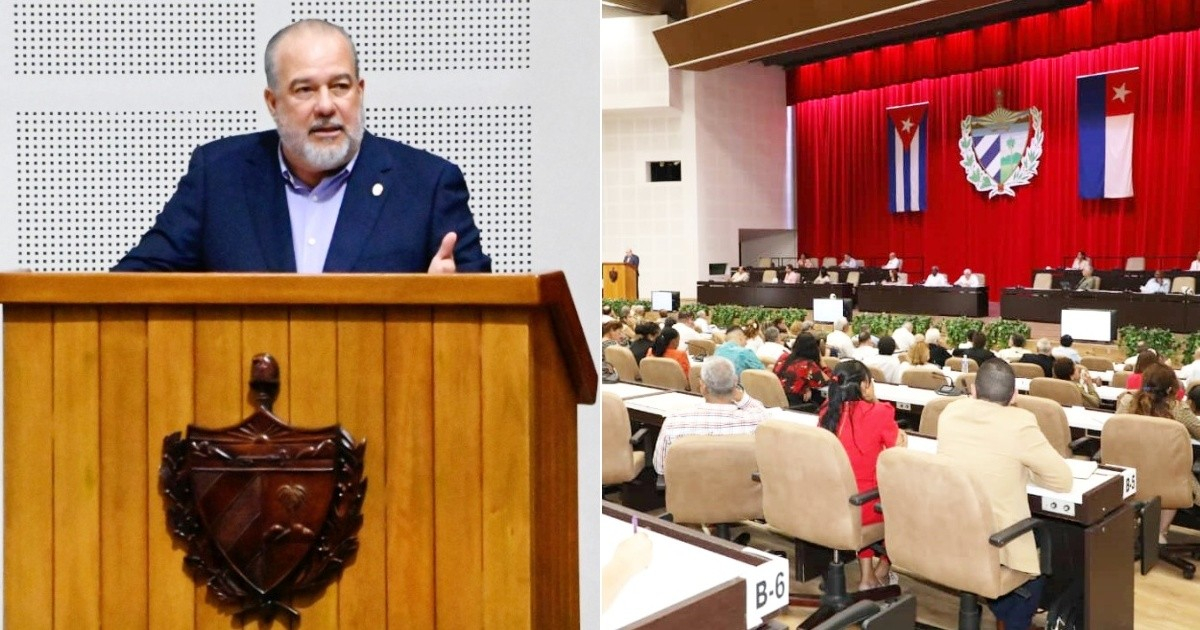
In a move that marks the most significant reform effort since the challenging "Special Period," Cuba's government unveiled a comprehensive package of 176 economic and social measures. Presented by Prime Minister Manuel Marrero Cruz before the National Assembly, this ambitious initiative aims to tackle the severe economic crisis plaguing the nation, characterized by widespread shortages, soaring inflation, power outages, declining production, and unprecedented emigration.
Opening the Door to Market Mechanisms
While the official narrative emphasizes "preserving socialism," the proposals suggest an unprecedented embrace of market mechanisms, including private capital, foreign investment, private banking, stock trading, partial dollarization, and economic decentralization. This shift could mark a significant departure from longstanding socialist policies.
23 Key Areas of Reform
The proposed measures are organized into 23 critical areas:
Economic Actors: Greater autonomy for state enterprises, flexible salaries, and opportunities for private and foreign capital investments, among others.
Property and Management: While maintaining formal social ownership, the government will allow for private and foreign stakeholders in state companies.
Planning: A gradual shift from centralized resource allocation to market-based mechanisms.
Fiscal and Budgetary Adjustments: Reduction of ministries and state structures to enhance efficiency.
Municipal Autonomy: Increased local control over budgets and economic development.
Energy Sector: Involvement of private and foreign capital in the energy sector, with incentives for renewable resources.
Agriculture: Extended land use rights and more freedom for private enterprises and cooperatives.
Social Policy: Digitalization of aid and mandatory social responsibility from economic actors.
Subsidy Reform: Shifting from product subsidies to targeted personal subsidies.
Labor and Wages: Comprehensive wage reform, pension adjustments, and encouragement of multiple jobs and remote work.
Banking and Finance: Introduction of private banks, virtual assets, and currency exchange reforms.
Taxation: Gradual implementation of VAT and electronic invoicing with sector-specific fiscal incentives.
Price Policy: Decentralization and market-oriented price references.
Foreign Investment: Eased restrictions and broader access to various sectors for foreign investors.
External Trade: More open export and import opportunities for private entities and cooperatives.
Partial Dollarization: Expansion of foreign currency operations.
Tourism: New investment opportunities in real estate, marinas, and private agencies.
Transportation: Import and commercialization of electric vehicles.
Commerce and Services: Increased role of private and foreign entities in commerce, gastronomy, and services.
Insurance: Introduction of new insurance products and mandatory policies.
Digitalization and AI: Data governance, private data centers, and knowledge economy enhancements.
Statistics: Modernization of the national statistical system.
Control and Inspection: Comprehensive review and restructuring of state supervision and control frameworks.
Revolutionizing State Enterprises
One of the most critical changes involves the transformation of state enterprises, traditionally seen as the backbone of Cuba's socialist model. The government acknowledges explicit competition with the private sector, leading to potential closures of unviable state entities. This section outlines plans for greater autonomy, flexible pricing, and the potential conversion of state enterprises into joint-stock companies.
Private Property and Management
The second area seeks to redefine property and management structures by allowing private individuals and entities to own shares in state companies, including participation from foreign investors and Cuban expatriates. This ideological shift opens the door to a mixed economy model.
Decentralizing Economic Planning
In a significant departure from centralized economic control, the government proposes a new planning model that incorporates market signals and decentralizes access to resources and capital. This acknowledges the state's limitations in administratively managing economic flows.
Streamlining the State
The proposed reduction in bureaucratic structures aims to decrease public spending and improve administrative efficiency, signaling a critical shift in the role of the Cuban state.
In summary, this extensive reform package represents an admission of the failure of past economic policies and a bold attempt to stabilize Cuba's economy using previously rejected market-oriented tools. The success of these measures will hinge on the government's ability to implement them amidst ongoing challenges like currency shortages, declining production, and worsening living conditions for the Cuban populace.
Understanding Cuba's Economic Reforms
What are the main goals of Cuba's new economic measures?
The primary objectives are to address the severe economic crisis, attract foreign investment, decentralize economic control, and introduce market mechanisms to stimulate growth.
How will these reforms impact state enterprises in Cuba?
State enterprises will gain more autonomy, face competition with the private sector, and could be converted into joint-stock companies, marking a shift towards a more market-oriented approach.
What changes are proposed for Cuba's banking and finance sector?
The reforms include the introduction of private banks, virtual assets, and changes in currency exchange, aiming to modernize the financial sector and facilitate economic transactions.