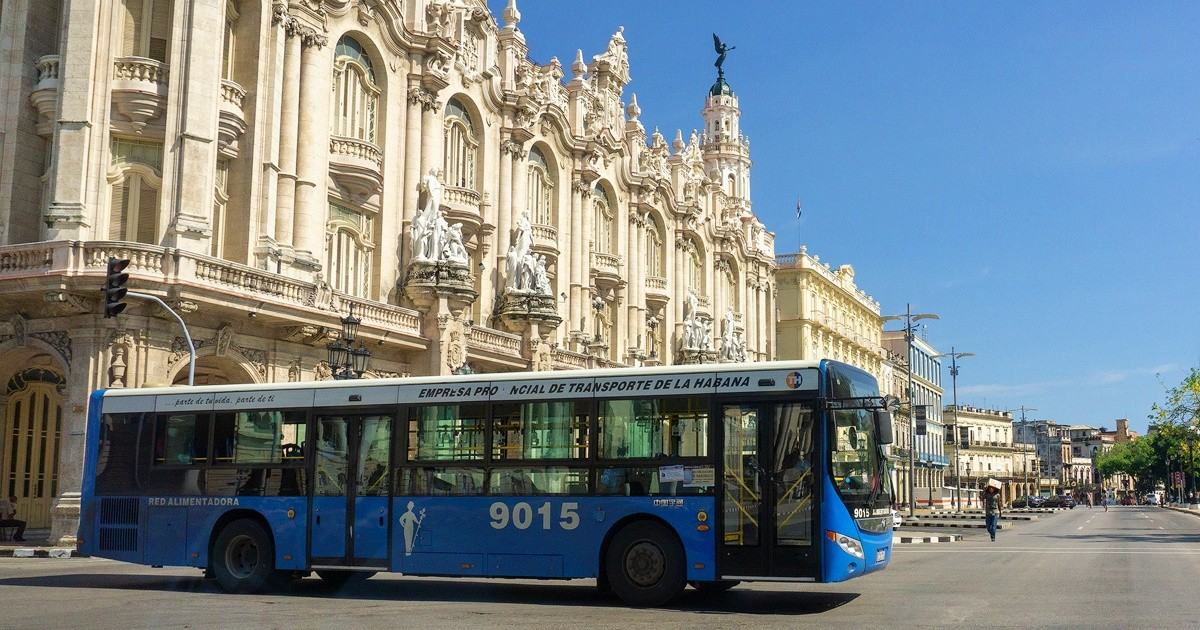
The Ministry of Transport of Cuba (MITRANS) has declared that starting this Thursday, June 18, there will be a fresh wave of cuts to the national and interprovincial passenger transport schedules. This adjustment will impact buses, trains, the maritime route between Gerona and Batabanó, and the APK Viajando application.
The announcement was made by Deputy Minister of Transport, Luis Ladrón de Guevara, through the state-run Caribe channel.
The Cuban government attributes these reductions to a shortage of fuels and lubricants, which they link to U.S. energy sanctions, including those imposed on June 11 against the Unión Cuba Petróleo (CUPET).
Under the new plan, national buses will now operate three times a week from Havana to provincial capitals, a notable cutback from the daily services that were in place since February 2026. Routes to Baracoa, Manzanillo, and Moa will be reduced to a single weekly trip, and the same applies to connections between Santiago de Cuba and both San José de las Lajas and Artemisa.
Impact on Rail and Maritime Transport
National train services will run to and from the eastern region once every 16 days, reduced from the previous schedule of every eight days set during the initial emergency adjustments in February. The Gerona-Batabanó-Gerona maritime route will maintain two weekly trips, as requested by the special municipality of Isla de la Juventud. Meanwhile, domestic flights will continue on their current schedules without alterations.
Suspension of APK Viajando and Ticket Allocation
Effective Thursday, the APK Viajando will be temporarily suspended. According to MITRANS, this hiatus will be used to "restore security measures" for the application. Ticket sales will not be open to the public; instead, provincial commissions will allocate seats based on priorities like medical appointments and emergencies, family deaths, return to home locations, and urgent family needs.
Authorities reiterate that there is "no prohibition on individuals moving" and that no special authorization is needed to travel by personal, rented, or private means.
Ongoing Crisis and Government Measures
This marks the second significant transport reduction of 2026, following the "emergency mode" initiated in February when President Miguel Díaz-Canel acknowledged that Cuba hadn't received fuel since December 2025.
On May 14, Energy Minister Vicente de la O Levy confessed that the country was completely devoid of fuel and diesel. Subsequently, on June 11, the U.S. government sanctioned CUPET under Executive Order 14404, freezing its assets and barring any transactions with U.S. entities.
Secretary of State Marco Rubio defended the sanctions, arguing that the energy sector funds the regime's repression, and warned, "We will continue to target the regime’s capabilities."
New Buses and Priority Freight Transport
Alongside the transport cuts, MITRANS has announced the addition of 20 new imported buses to cover long-distance routes between the western and eastern parts of the country. The transport system will also prioritize essential goods, including food, raw materials, medicines, and consumer products.
Authorities have cautioned that the fuel supply instability "could cause delays in departures and even shift departures from one day to another," forewarning that the challenges facing Cubans needing to travel might be more severe than currently anticipated.
FAQs on Cuba's Transport Reductions
Why is Cuba reducing its national transport services?
The reductions are attributed to a shortage of fuel and lubricants, which the Cuban government links to U.S. energy sanctions.
How will the new transport schedule affect travelers?
Travelers will face reduced frequency in both bus and train services, with national buses operating only three times a week and trains once every 16 days.
What measures are being taken to address the transport issues?
The government is introducing 20 new buses and prioritizing essential freight transport to mitigate the impact of the reductions.