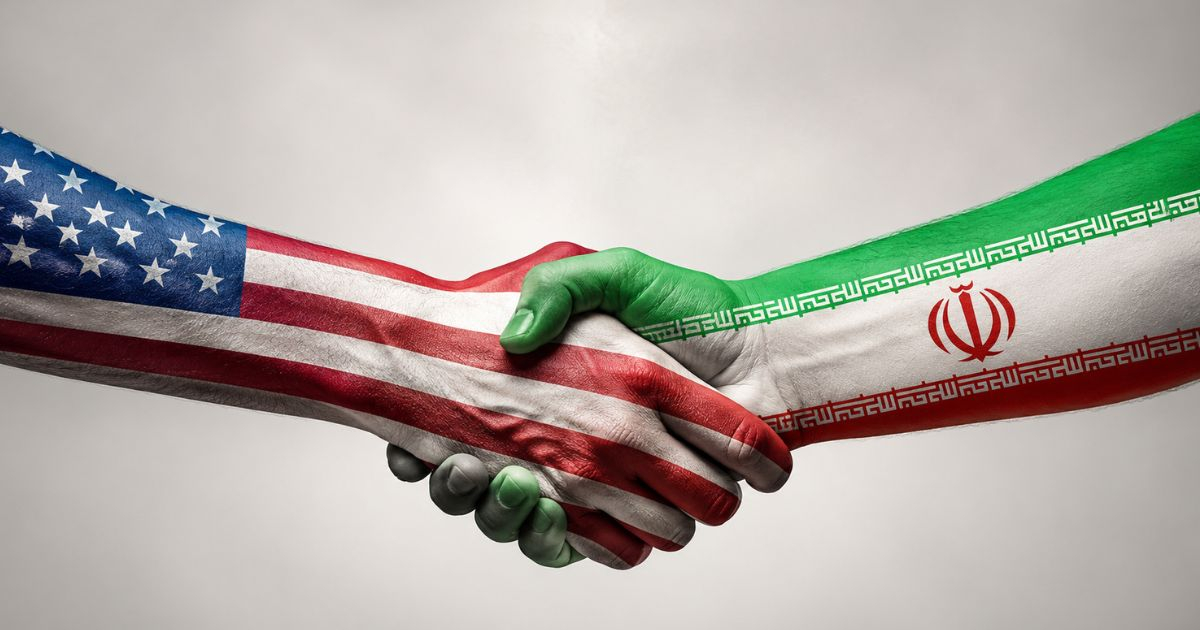
Pakistani Prime Minister Shehbaz Sharif announced on Sunday that a peace agreement has been reached between the United States and Iran after prolonged negotiations. Both nations have agreed to an immediate and lasting ceasefire across all battlefronts, including in Lebanon.
"Following intense discussions, we are pleased to declare that a peace agreement between the United States of America and the Islamic Republic of Iran has been ACHIEVED," Sharif posted on his X account, confirming that the official signing ceremony is set for Friday, June 19, in Switzerland.
Moments after the Pakistani announcement, former President Donald Trump confirmed the pact on his Truth Social platform with a triumphant message: "The deal with the Islamic Republic of Iran is now settled. Congratulations to all! I hereby fully authorize the opening of the Strait of Hormuz without tariffs and simultaneously order the immediate lifting of the United States' naval blockade. Ships of the world: start your engines! Let the oil flow!"
The announcement came on a day filled with tension. Earlier that morning, Israel bombed the Dahiyeh neighborhood in southern Beirut, resulting in at least three deaths and seven injuries, an attack that nearly derailed the negotiations.
Iran's chief negotiator, Mohammad Baqer Qalibaf, responded harshly to the Israeli bombing: "Either you lack the will to fulfill your commitments or you are incapable of doing so. If you cannot meet your obligations, discussing the continuation of this path is impossible."
Trump acknowledged to the digital outlet Axios that the Israeli attack complicated the timeline: "It shook things up. It delayed the signing by a few hours. It was supposed to happen right now."
The U.S. president also demanded that Israel cease its attacks in Lebanon: "We are very close to an agreement that would bring peace to the region, including Lebanon, and all parties must stop hostilities," he wrote on Truth Social, also urging Hezbollah to refrain from attacking Israel.
According to a draft leaked to Reuters by a senior Iranian official, the agreement would involve the suspension of Iran's nuclear program in exchange for lifting oil sanctions until a final agreement is reached.
Pakistan played the role of official mediator in the negotiations. Sharif also expressed gratitude for the contributions of Qatar, Saudi Arabia, and Turkey in the peace process.
UN Secretary-General Antonio Guterres strongly condemned the Israeli attacks on Beirut, noting they occurred "despite the ceasefire and at a time when the U.S. and Iran were on the brink of reaching an agreement."
Iranian President Masoud Pezeshkian endorsed the diplomatic approach, stating that the Supreme National Security Council concluded that "the path of dialogue must be pursued." However, as of Sunday evening, Tehran had not officially confirmed the agreement.
This conflict, which started on February 28, 2026, with a coordinated airstrike by the U.S. and Israel on Iranian nuclear and military facilities, included Iran's blockade of the Strait of Hormuz, a critical channel for global oil transportation.
The negotiation process was tumultuous: Iran suspended talks on June 1 due to Israeli attacks in Lebanon, and on June 8, declared a halt to its military operations against Israel, conditional upon Israel ceasing its attacks on Lebanese territory.
The signing ceremony is slated for Friday, June 19, in Switzerland, although the lack of official confirmation from Tehran leaves uncertainty about whether the agreement will materialize as announced.
Key Details of the United States-Iran Peace Deal
What are the main terms of the peace agreement between the U.S. and Iran?
The agreement involves an immediate and permanent ceasefire, with Iran suspending its nuclear program in exchange for the lifting of oil sanctions until a final agreement is reached.
How did the Israeli attack impact the negotiations?
The Israeli bombing in Beirut caused a delay in the signing of the peace deal, complicating the negotiations and nearly derailing the process.
Who mediated the peace talks between the United States and Iran?
Pakistan acted as the official mediator, with additional contributions from Qatar, Saudi Arabia, and Turkey.