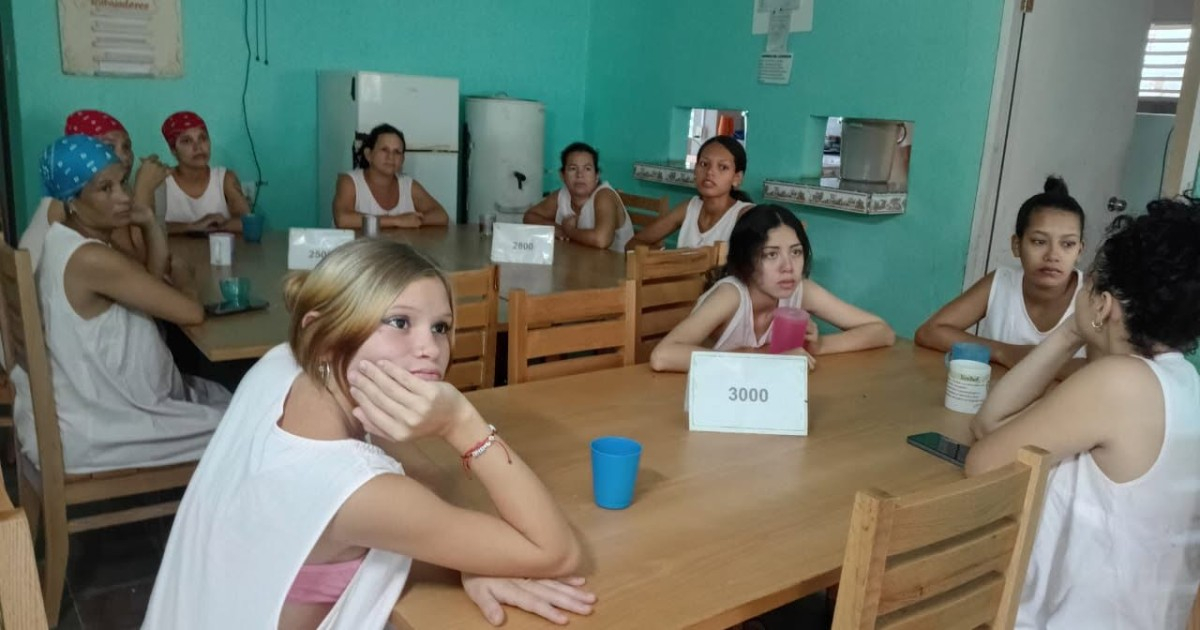
Mayim Jorge, the apostle leading a Christian church in Las Tunas, has publicly condemned the Cuban government's decision to stop his congregation from distributing breakfasts to pregnant women at a local maternity home. Authorities are now requiring the church to seek permission from the Communist Party of Cuba (PCC) whenever they wish to provide food.
The initiative began on June 2, 2026, when the church first offered breakfasts to 15 expectant mothers at the maternity home. The menu included chocolate milk, ham and cheese sandwiches, coffee, and a dessert — provisions the pastor claims the women had never received at the facility before.
The free service was available on Mondays and Tuesdays, with a dedicated team of volunteers starting as early as 4 a.m. to prepare the meals.
Government Intervention Blocks Church's Outreach
Shortly after the program's launch, one of the church's pastors was informed of the government's restriction. Mayim Jorge shared the news candidly on Facebook: "Today, one of our pastors provided a snack at the maternity home and was informed that the government prohibited our assistance. They decided that each time we wanted to help, we would need to obtain a PCC permit. So, with our resources, we have to ask for permission."
Describing the situation as "unacceptable," the pastor criticized the regime's actions with a straightforward comment: "The pregnant women had never tasted milk, nor had they eaten cheese or ham. It's unacceptable. That's how they are, neither feeding themselves nor letting others eat."
A Broader Pattern of State Interference
In tandem with the maternity home program, the church was also providing breakfast to 140 individuals — including seniors and low-income residents — at its own facilities, serving 22 pregnant women per session at the maternity center.
Mayim Jorge firmly dismissed any potential agreements with the authorities: "There are no deals with the government. The church never makes deals with the government. DO NOT BE CONFUSED. We help the people because God's love is greater than man's vengeance."
The pastor also recalled the government's repeated attempts to dismantle his church: "It is the church that gives, the church that was persecuted, the one the government tried to destroy, ten times in this city. At times, we were left with nothing."
This pattern of state interference with independent churches' humanitarian efforts is not new in Cuba.
In 2020, PCC officials blocked humanitarian donations from Christian organizations, and by 2023, Cuban Catholic bishops had labeled the situation as the "most severe crisis in recent decades."
Humanitarian Crisis Deepens Amidst Governmental Restrictions
The prohibition comes amidst a dire humanitarian crisis. In May 2026, the United Nations alerted that pregnant women are among the most vulnerable groups in Cuba, with a humanitarian appeal for the island seeking $94 million to aid two million people, facing a funding gap exceeding $60 million.
"We want those children, who will live in freedom, to be born healthy. At least as far as it's within our power," wrote Mayim Jorge when announcing the program before the regime shut it down.
Frequently Asked Questions about the Breakfast Program in Las Tunas
Why did the Cuban government stop the breakfast program for pregnant women?
The Cuban government halted the program, requiring the church to secure a permit from the Communist Party for each instance of food distribution, which effectively stopped the initiative.
What was included in the breakfast served by the church?
The church provided chocolate milk, ham and cheese sandwiches, coffee, and a dessert to pregnant women at the maternity home.
How has the Cuban regime interfered with church activities in the past?
The Cuban regime has a history of obstructing church-led humanitarian efforts, such as blocking donations from Christian groups in 2020 and facing criticism from Catholic bishops in 2023 for a severe humanitarian crisis.