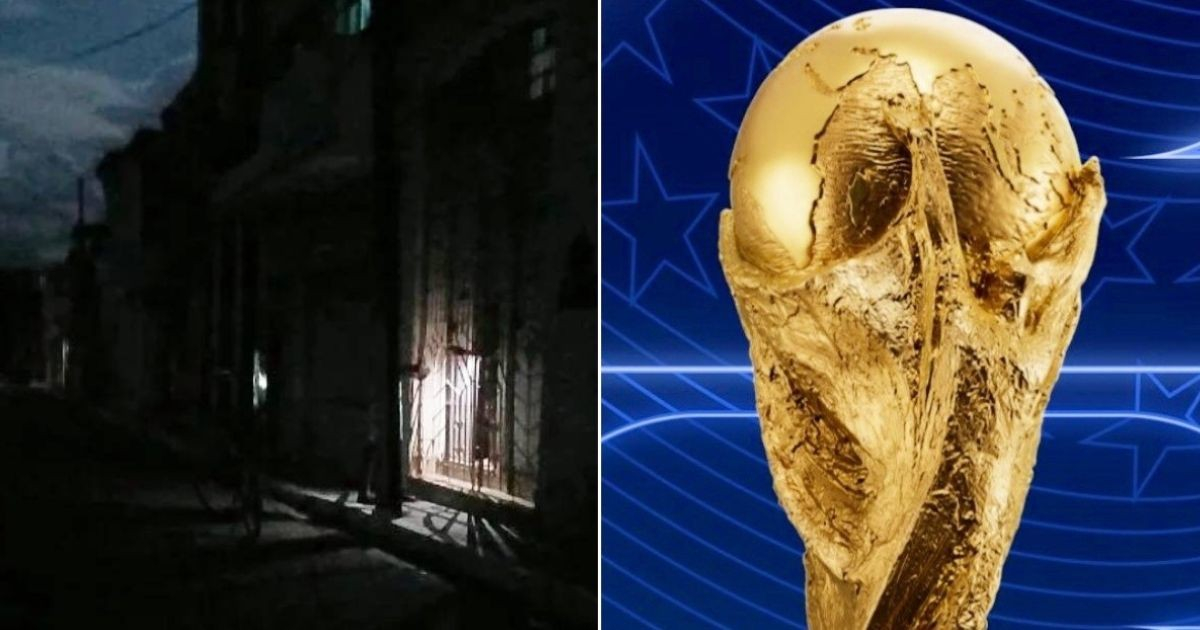
The 2026 FIFA World Cup kicked off with an opening ceremony at Mexico City's iconic Azteca Stadium, but for many Cubans, the event was inaccessible. The state-run channel Tele Rebelde, responsible for broadcasting the tournament, aired only about 10 minutes of the ceremony before abruptly switching to coverage of cycling and women's volleyball.
As global audiences enjoyed performances by artists like Shakira and Maná, and watched the opening match between Mexico and South Africa, Cuban social media was awash with complaints and anger.
"For some reason, which they of course didn't disclose, they aired 10 minutes of the opening and that was it; they switched to cycling and goodbye World Cup," wrote Carlos Santana on Facebook.
By 3:08 pm on Thursday, Tele Rebelde was broadcasting women's volleyball, while its HD channel showed a cycling race. "Tele Rebelde was showing a bike race at that hour. Speechless," summarized Maria Emilkis Garcia Vila.
"Cuba was the only country in the world where the World Cup's opening match wasn't seen," declared Gilberto Hernandez Miteff, capturing the widespread sentiment.
Streaming Options Fall Short
To address the situation, officials suggested Cubans follow the tournament via Picta, a state-run streaming platform that relays Tele Rebelde's signal to mobile devices and computers. However, this proposal was met with widespread skepticism.
Apklis, the Cuban app store, posted on social media urging people to "live the passion of soccer" through this means. The reaction was a flood of sarcasm. "With what power, with what connection?" asked Marilyn Leyva. "We'll hook it up to coal," scoffed Minerva Reyes.
The backdrop to these frustrations is Cuba's severe power crisis, one of the worst in years. On Thursday, the power deficit exceeded 2,000 MW, causing blackouts affecting more than 65% of the country. One user reported over 52 consecutive hours without electricity.
Infrastructure Challenges
Additionally, ETECSA, the state telecommunications company, offers only 300 MB of national data, insufficient for video streaming, and many cell towers lack backup power.
As a temporary fix, authorities in Matanzas announced that the World Cup would be aired on the analog channel Multivisión for areas outside the provincial capital, citing "technological difficulties related to the Jacán Transmitter."
The Capitán San Luis Stadium also offered a giant screen for viewing, though it warned the broadcast would depend on weather, connectivity, and electricity supply.
Back in 2021, Cuban television admitted it couldn't afford the broadcasting rights for the Euro Cup and Copa America, managing only partial agreements after public outcry. Now, five years later, the issue extends beyond rights to encompass electricity, signal, and infrastructure challenges.
"The entire world enjoyed a beautiful spectacle today, but as always in this country, no one could enjoy it," lamented Eliannys Estrada, encapsulating the frustration of millions of Cubans facing the most inaccessible World Cup in their history.
Frequently Asked Questions About Cuba's World Cup Broadcast Issues
Why couldn't Cubans watch the World Cup opening ceremony?
Cubans missed the World Cup opening ceremony because Tele Rebelde, the official channel for the event, only aired a brief segment before switching to other sports, citing no specific reason.
What alternatives were offered for watching the World Cup in Cuba?
Authorities suggested using Picta, a state-run streaming platform, though it was met with skepticism due to power and connectivity issues.
What are the main challenges affecting Cuba's World Cup broadcast?
Challenges include a severe power crisis, limited data availability from ETECSA, and lack of infrastructure, which all hinder broadcasting capabilities.