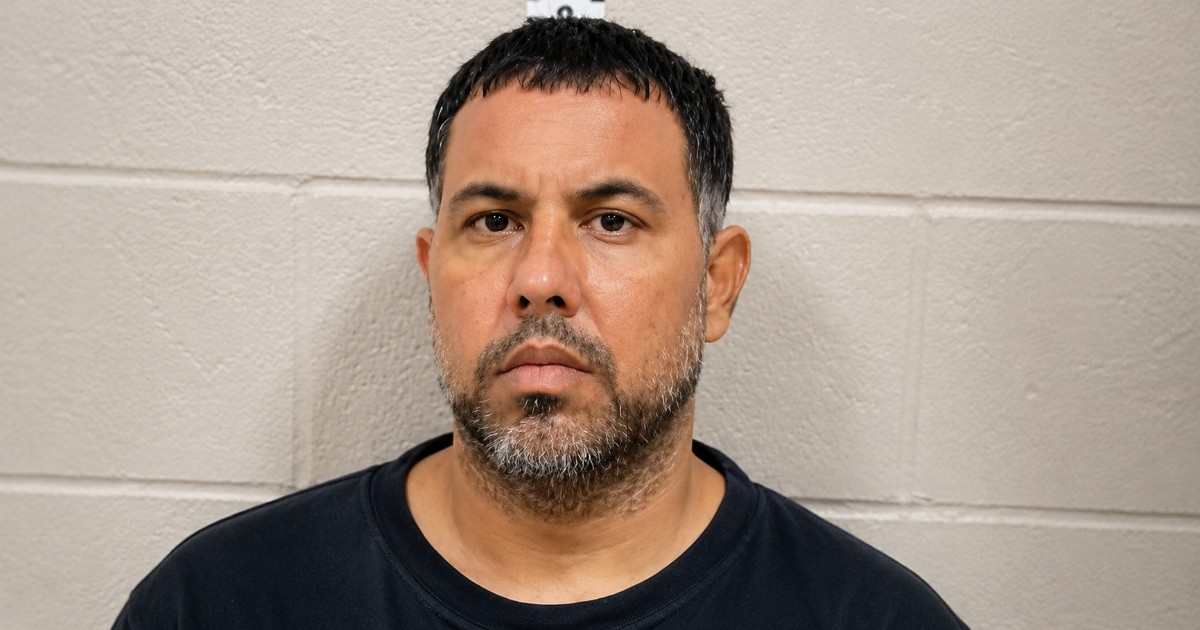
On June 1, Border Patrol agents from the Del Rio Sector apprehended Lázaro Alberto Betancourt-Osorio, a 44-year-old Cuban national with previous convictions for sexual offenses against minors. He was discovered hiding in the brush along with six other individuals in a remote area near El Indio, Texas, approximately 20 kilometers south of Eagle Pass.
According to the official release from the Customs and Border Protection, a background check unveiled that Betancourt-Osorio was convicted in Florida in 2012 for using a computer to solicit and entice a minor and for traveling to meet the minor after luring them online.
He was sentenced to 42 months in prison for those crimes and was deported from the United States in 2016 after serving his time.
Despite this deportation, Betancourt-Osorio illegally re-entered the country and was found again in the U.S. in 2025 without authorization, leading to a second deportation.
Nevertheless, he entered illegally once more and was captured for the third time on June 1 by Carrizo Springs Station agents during a patrol in a remote area.
The detainee was presented before a federal magistrate court in the Western District of Texas and faces charges under Title 8, Section 1326 of the federal code, which pertains to the illegal re-entry of a deported alien. He could face a maximum sentence of up to 20 years in prison, along with fines.
Del Rio Sector Chief Patrol Agent Anthony "Scott" Good commented on the case.
"This arrest by Carrizo Springs Station agents underscores the importance of constant vigilance along the immediate border. With prior convictions for sexual offenses against minors, this illegal alien posed a significant threat to our communities. They and others like them must understand one thing: if they are in this country illegally, they will be caught," he stated.
The arrest occurs in the context of the stringent border security measures of the Trump administration, which have markedly reduced illegal crossings at the southwest border.
In response to this reduction, human traffickers have adapted their methods, forcing migrants through remote and hazardous terrains to evade Border Patrol, particularly risky during the high summer temperatures.
This case is part of a series of arrests involving Cubans with serious criminal backgrounds by Immigration and Customs Enforcement (ICE) and the Border Patrol during 2026.
On June 3, ICE apprehended three Cubans in Florida with histories of child abuse, drug trafficking, and grand theft, and in March, a Cuban named Álvaro Tuero was arrested in Newark, convicted of sexual assault on a minor under 13 years old.
In May, ICE also reported the arrest of three convicted Cubans for serious crimes against minors in different states as part of the Trump administration's operations against undocumented immigrants with criminal records.
Frequently Asked Questions about Illegal Re-entry and Deportation
What are the penalties for illegal re-entry into the United States?
Illegal re-entry into the United States by a deported individual is a federal offense under Title 8, Section 1326 of the U.S. Code. Penalties can include a maximum sentence of 20 years in prison and fines, depending on the circumstances of the case.
Why are border security measures important?
Border security measures are crucial to prevent illegal entry, protect national security, and ensure the safety of communities by deterring and apprehending individuals with criminal backgrounds attempting to enter the country.
How do human traffickers adapt to stricter border policies?
Human traffickers often change their tactics in response to stricter border policies by guiding migrants through more remote and dangerous routes to avoid detection by border authorities, increasing the risk of harm during the journey.