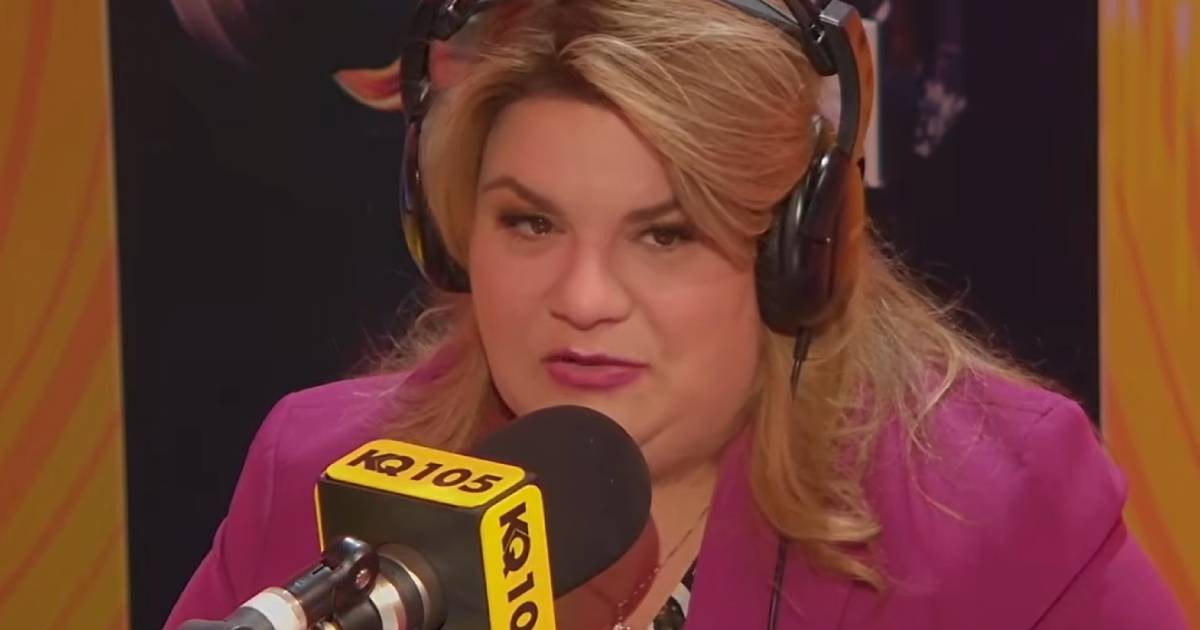
Puerto Rico's Governor, Jenniffer González-Colón, issued a stern warning to the Cuban regime on Wednesday, asserting that the diplomatic proposal from Secretary of State Marco Rubio is not open for negotiation, but rather a definitive ultimatum. She highlighted July as the critical month for Havana to make a decision.
In an exclusive interview with Telemundo 51, Governor González-Colón stated unequivocally, "The United States does not make offers twice. Anyone studying international public policy should view Secretary Rubio's words as an ultimatum. The Cuban government should seize this opportunity extended by the U.S. and initiate change. July would be an excellent time to witness this transformation."
Increased Pressure on Havana
These comments come at a time of intense pressure on Havana. On the same day, Secretary of Defense Pete Hegseth visited the Guantanamo Bay Naval Base, addressing the troops with a clear message: "The future of Cuba lies in the hands of the U.S. President and Cuban leadership," adding that the Department of Defense is "ready and positioned for any possible eventuality."
Governor González-Colón interpreted this visit as an unmistakable signal: "Whenever Secretary of Defense Hegseth visits the troops, action tends to follow. I believe that where the U.S. Secretary of Defense commits words, actions will ensue."
Drawing Parallels with Venezuela
The governor directly compared the situation with Venezuela, noting that the U.S. military deployment in southern Puerto Rico preceded the capture of Nicolás Maduro on January 3, 2026. She suggested that the same pattern—deployment, pressure, action—could be applied to Cuba.
Regarding Rubio's offer, González-Colón acknowledged its rejection by the regime thus far but urged Havana to thoroughly consider it: "Marco Rubio has rolled out the red carpet for the Cuban government to escape the chaos they are currently enduring."
Military Exercises and Strategic Deployment
The interview also touched on statements by Brigadier General Arturo Garffer, Puerto Rico's Secretary of Public Security, who indicated July as a potential date for military intervention if diplomatic efforts fail. Governor González-Colón supported this timeline without hesitation.
She further informed that military exercises involving over 8,100 troops would take place in Puerto Rico from May to August 2026: "More than 8,100 troops will conduct military drills here," she specified.
This scenario is part of a broader strategy of maximum pressure, including over 1,300 Marines deployed in the Caribbean under Operation Southern Spear since May 29, more than 240 sanctions imposed since January 2026, and the interception of at least seven tankers, which has slashed Cuban fuel imports by 80% to 90%.
U.S. Commitment to Addressing the Cuban Crisis
On June 4, Trump vowed to "deal with Cuba" after resolving the crisis with Iran, referring to the regime as a "failed nation." On the same day, Rubio informed Congress about the presence of technocrats in Cuba with whom Washington could collaborate for a transition, yet he admitted to the absence of a clear leader for this process.
The regime has rejected the diplomatic overture and obstructed the channeling of $100 million in humanitarian aid offered by Washington through the Catholic Church or Samaritan's Purse. On June 7, Díaz-Canel warned that any military action would result in a "bloodbath."
Governor González-Colón concluded her remarks with a clear warning: "July could be an excellent month" for the Cuban regime to make the decision that Washington has been demanding for months.
Key Questions About the Cuban Crisis and U.S. Diplomacy
What is the significance of Marco Rubio's diplomatic offer to Cuba?
Marco Rubio's diplomatic offer is considered a non-negotiable ultimatum aimed at compelling the Cuban regime to initiate political change, with July highlighted as a critical month for a decision.
How is the U.S. applying pressure on Cuba?
The U.S. is applying pressure through military deployments, economic sanctions, and strategic operations like the interception of tankers, which have significantly reduced Cuban fuel imports.
What parallels has Governor González-Colón drawn between Cuba and Venezuela?
Governor González-Colón compared the situation to Venezuela, suggesting that the U.S. military's strategic pattern of deployment, pressure, and action used there could be mirrored in Cuba.