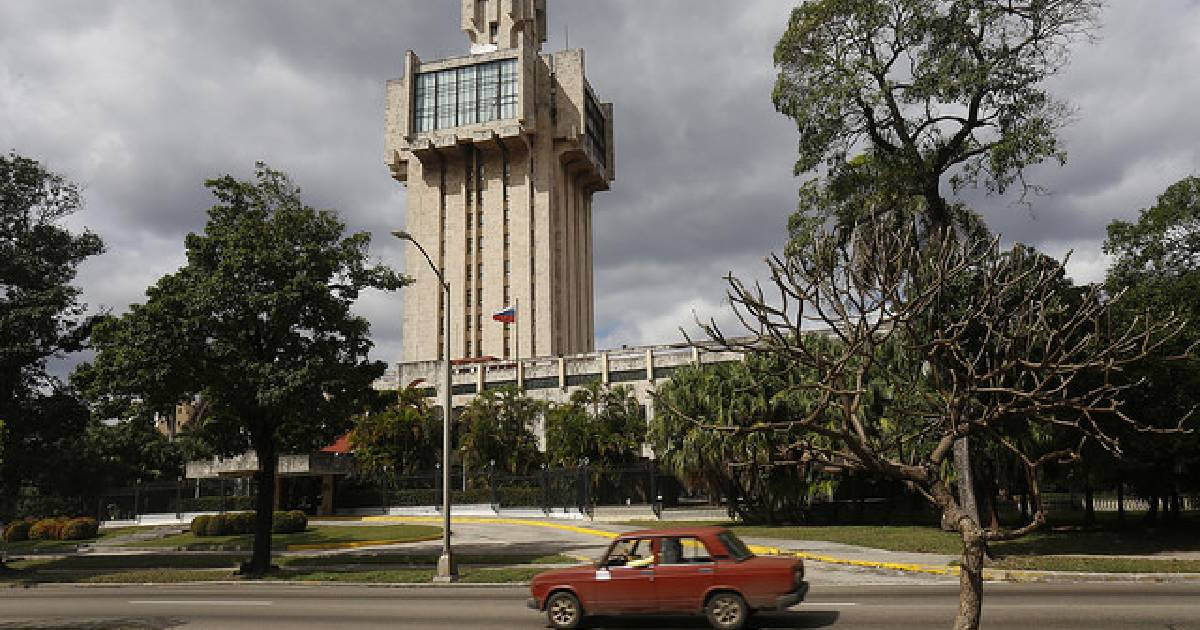
Despite escalating military tensions between Washington and Havana, Russia has no plans to evacuate its roughly 3,000 citizens residing in Cuba. Russian Ambassador to the island, Viktor Koronelli, attributed this decision to the absence of expectations for a large-scale conflict, suggesting only a targeted operation might occur.
"Evacuating Russian citizens from the island is not on our agenda," Koronelli stated to Izvestia newspaper this week.
The diplomat also confirmed that civil defense exercises in Cuba have intensified due to the threat of potential U.S. intervention. "Regular exercises directed by the National Civil Defense Staff take place on the island. In light of current U.S. threats, there is increased focus on relevant classes and recommendations," Koronelli noted.
Increased Military Drills in Cuba
Since January, Cuba has been conducting weekend defense preparation drills that include weapons training, mine handling, and civilian evacuation. In a March exercise in Havana, approximately 1,900 people participated, engaging in activities ranging from assembling and disassembling weapons to providing first aid.
Mounting Tensions in the Caribbean
The ambassador's statement comes at a time of heightened tension in the Caribbean. On May 20, the U.S. Southern Command confirmed the entry of the nuclear-powered aircraft carrier USS Nimitz into the Caribbean Sea as part of the Southern Seas 2026 exercise.
On the same day, the Department of Justice declassified a formal indictment by a federal grand jury against former Cuban president Raúl Castro for the downing of two Brothers to the Rescue planes on February 24, 1996, which resulted in the deaths of four Cuban-Americans.
Secretary of State Marco Rubio labeled Castro a "fugitive from U.S. justice" and vowed to bring him to court.
Cuban Response to U.S. Accusations
In response, on May 22, the Cuban regime organized a massive rally at the Anti-Imperialist Platform José Martí in Havana, although Raúl Castro did not attend despite being the focus of the event.
His daughter, Mariela Castro, defended her father on Russia Today, saying, "No one is going to kidnap him. I can assure you of that. Neither him nor anyone else." She also conveyed her father's words: "No one will take me alive. They will find me fighting."
Cuban leader Miguel Díaz-Canel challenged Washington with a Facebook post quoting National Hero José Martí (1853-1895): "The turbulent and brutal North that despises us does not yet know us: wanting to divide us, they have united us more."
Russia's Position and Limitations
The government of Vladimir Putin accused Washington of preparing for military intervention and dismissed the charges against Raúl Castro as "fabricated," reiterating its "full solidarity" with Havana. However, analysts point out that Moscow, currently embroiled in the Ukraine war, can only offer political and diplomatic support, lacking the military intervention capability of the Soviet era.
In February, Russia did repatriate nearly 4,300 stranded Russian tourists in Cuba due to the fuel crisis, a limited operation that did not affect permanent residents on the island.
Raúl Castro will turn 95 on June 3, and Díaz-Canel described his health in April as "fragile due to his advanced age."
Understanding Russia's Stance on Cuba
Why is Russia not evacuating its citizens from Cuba?
Russia has no plans to evacuate its citizens from Cuba as there is no expectation of a large-scale conflict, only the possibility of a limited operation.
What measures has Cuba taken in response to U.S. threats?
Cuba has intensified its civil defense exercises, focusing on activities such as weapons training, mine handling, and civilian evacuation in response to perceived U.S. threats.
How did Cuba respond to the U.S. indictment against Raúl Castro?
In response to the indictment, Cuba held a massive rally at the Anti-Imperialist Platform José Martí, while Raúl Castro's daughter, Mariela Castro, publicly defended him on Russian media.