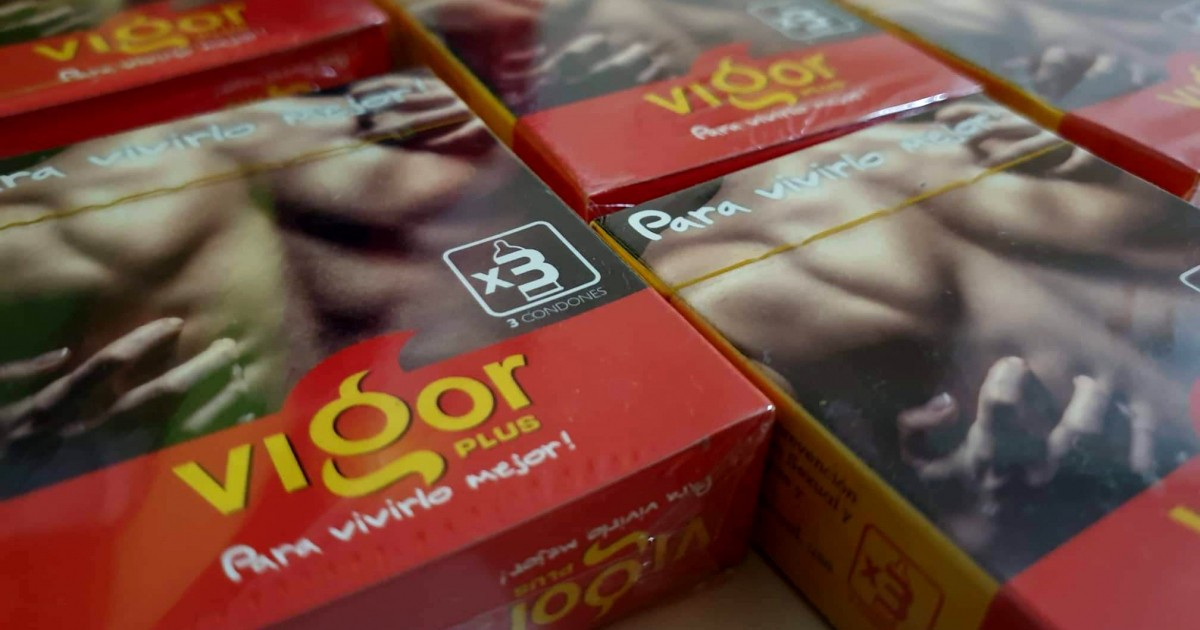
The World Health Organization (WHO) has honored Cuba with an award for its continued validation as a nation free from mother-to-child transmission of HIV and syphilis. This commendation starkly contrasts with the chronic shortage of condoms plaguing the island for years, leading to a surge in sexually transmitted infections among adults.
On Tuesday, the award was presented by WHO Director-General Tedros Adhanom Ghebreyesus to Tania Margarita Cruz Hernández, Cuba's First Deputy Minister of Public Health.
President Miguel Díaz-Canel expressed his pride in the recognition on social media platform X, reminding followers that in 2015, Cuba was the first country globally to achieve this milestone. That year, the Pan American Health Organization officially certified Cuba for eliminating mother-to-child transmission of HIV and congenital syphilis.
Thanks to universal prenatal care and free diagnostic and treatment services, Cuba remains among a select group of about twenty countries and territories that ensure these diseases are eliminated in newborns. However, this success in maternal and child health starkly contrasts with the challenges of broader prevention efforts.
Escalating Condom Shortage and Its Implications
Since at least 2021, Cuba has been grappling with a severe and persistent condom shortage, acknowledged by the country's own health authorities. In December 2022, Manuel Romero Placeres, head of the National Program for HIV Control and Prevention, stated that "the low availability of condoms is the main issue in preventing new infections."
This scarcity has fueled an informal market where condoms were sold for over 100 Cuban pesos per unit by July 2023—a prohibitive price for most Cubans. The public health impact is evident: in Guantánamo, health officials reported a rise in sexually transmitted infections, including syphilis and HIV, linked to the continued lack of condoms in pharmacies and sales outlets.
In June 2025, authorities in Pinar del Río noted a spike in sexually transmitted infections and HIV, with 52.8% of cases concentrated in the capital municipality, directly attributing the rise to the scarcity of condoms and their exorbitant cost on the black market.
International and Domestic Challenges
The United Nations Population Fund (UNFPA) acknowledged in January 2024 that it had left 5% of its budget for Cuba unspent due to difficulties in sourcing condom vendors, partially blaming the situation on the U.S. embargo.
Díaz-Canel seized upon the WHO award announcement to criticize the embargo for its constraints on Cuba's healthcare system, stating, "I always wonder how much more we could do for our people and the world without the genocidal blockade around our neck."
Yet, the president failed to address that the condom shortage also stems from internal structural failures in importation and distribution—a hallmark of a planned economy that has long struggled to supply basic health necessities.
The irony is glaring: the regime garners international acclaim for safeguarding newborns from HIV and syphilis, while adults lack the fundamental means to protect themselves from the same diseases.
Understanding Cuba's Health Challenges and Achievements
What award did Cuba receive from the WHO?
Cuba received an award from the WHO for maintaining its status as a country free from mother-to-child transmission of HIV and syphilis.
What are the effects of the condom shortage in Cuba?
The widespread shortage of condoms in Cuba has led to increased rates of sexually transmitted infections, including syphilis and HIV, among the adult population.
How has the U.S. embargo affected Cuba's healthcare system?
The U.S. embargo is cited as a factor limiting Cuba's ability to procure necessary healthcare supplies, including condoms, although internal structural issues also play a significant role.