The convergence of U.S. sanctions, a worsening fuel shortage, and direct targeting of the Cuban military conglomerate GAESA is hastening the collapse of Cuba's air connectivity. This leaves major Spanish hotel chains stranded on the island with no clear resolution in sight.
According to a report by El Mundo on Monday, Iberia announced it will suspend its direct Madrid-Havana flights starting in July. Meanwhile, Cubana de Aviación has already canceled its sole weekly flight between Cuba and Spain following the withdrawal of Plus Ultra Líneas Aéreas, which cited risks stemming from Washington's sanctions.
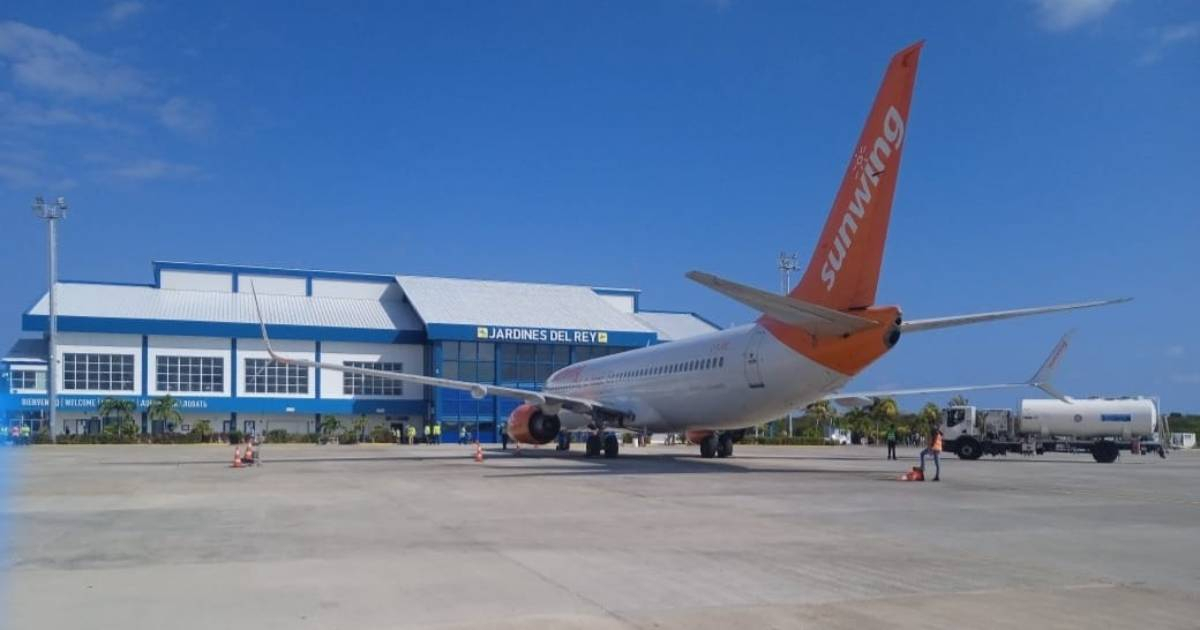
Canadian airlines such as Air Transat and Sunwing have also adjusted or halted their services to the island, with Sunwing extending its suspension until October 9, 2026.
The immediate trigger was an Executive Order signed by the U.S. president on May 1, imposing direct sanctions on GAESA and its director, Ana Guillermina Lastres.
U.S. Sanctions Target GAESA, Escalating Tensions
On May 7, Secretary of State Marco Rubio formalized further measures estimating GAESA's revenues at $20 billion, labeling it as "the heart of the communist kleptocracy."
These sanctions explicitly forbid "any contribution, provision of funds, or services" to individuals designated by Washington, greatly increasing the legal risks for the Spanish hotel companies operating in joint ventures with the military conglomerate.
Energy Crisis Deepens the Situation
The energy crisis further complicates the scenario. Out of the eight fuel shipments Cuba requires monthly, only one arrived in April, as acknowledged by President Miguel Díaz-Canel, who described the situation on social media platform X on May 13 as an "energy persecution."
This shortage worsened after the ousting of Nicolás Maduro in Venezuela, which halted the preferential oil supply that sustained the Cuban economy, leading to widespread blackouts across the island.
In February, Cuba issued an international alert warning that no aviation fuel would be available at José Martí International Airport for over a month.
Tourism Decline Adds to the Challenges
Cuban tourism was already in decline before this new wave of pressures. In 2025, the island welcomed just 1.81 million international tourists, the lowest since 2002, marking a 62% drop from the 2018 peak.
In the first quarter of 2026, arrivals accounted for only 52% of the same period in 2025, and hotel occupancy fell to 18.9% throughout last year.
Meliá, with over 30 hotels on the island, saw its business in Cuba fall by 10% in 2025, to 11.5 million euros, with an occupancy rate of just 40% and revenue per room of 29 euros.
Iberostar, operating around 20 establishments and managing the future luxury five-star in Havana's tallest tower, has deepened its ties with GAESA by becoming the first tourism company to exploit new hotel rental models tested by the regime, exposing itself to increased risk of secondary sanctions.
NH Hotels, now part of Minor Hotels, has already decided to leave Cuba due to the deteriorating environment.
Analysts estimate that GAESA controls approximately 40% of Cuba's GDP, managing everything from hotels and remittances to gas stations and the internet, making the conglomerate the primary target of Washington's pressure on Havana.
Frequently Asked Questions About Cuba's Economic Challenges
What is GAESA and why is it significant?
GAESA is a Cuban military conglomerate that controls a sizable portion of the country's economy, including hotels, remittances, and internet services. It is significant because it is a primary focus of U.S. sanctions aimed at pressuring the Cuban regime.
How have U.S. sanctions affected Cuba's tourism industry?
U.S. sanctions have contributed to a decline in Cuba's tourism industry by increasing legal risks for international companies operating in the country and exacerbating existing economic challenges, such as fuel shortages and reduced connectivity.
What impact has the energy crisis had on Cuba?
The energy crisis has led to severe fuel shortages, causing widespread blackouts and disrupting air travel due to the lack of aviation fuel, further complicating the island's economic challenges.