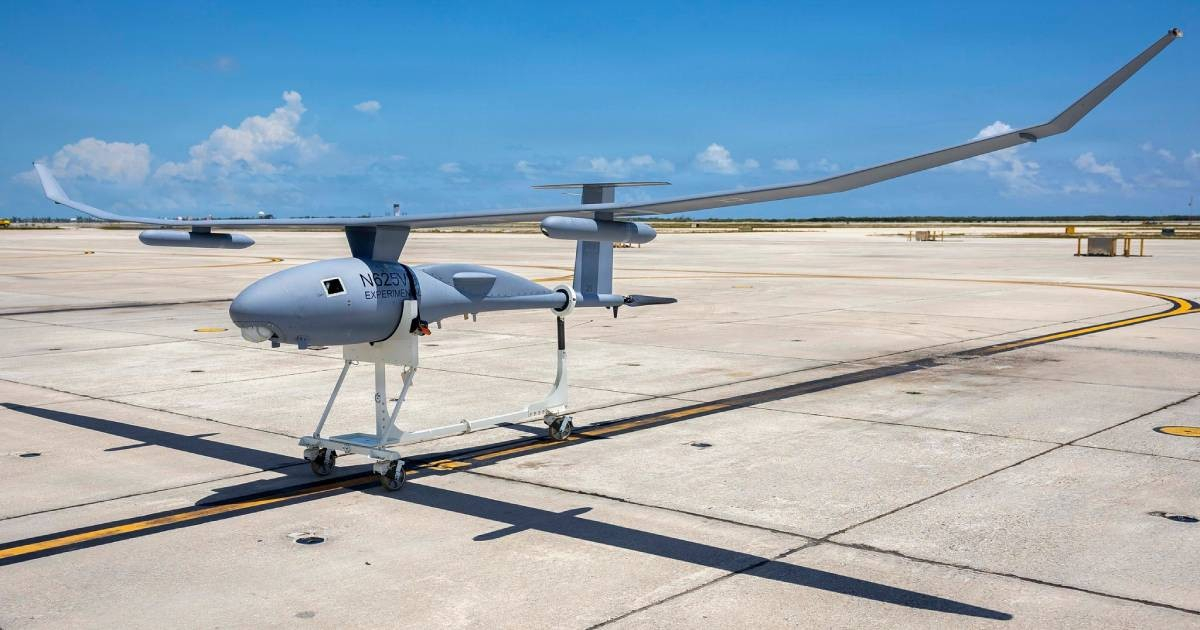
An exclusive report by Axios released on Sunday has sparked a flurry of reactions across social media in the United States. Journalist Marc Caputo revealed that Cuba has reportedly acquired over 300 military drones from Russia and Iran. Discussions among regime officials about potentially targeting the Guantanamo Bay Naval Base, U.S. Navy ships, and possibly Key West, Florida, have intensified the debate.
The report, drawing from classified intelligence cited by sources from the Trump administration, has divided analysts, politicians, and influencers. Some see it as a genuine national security threat, while others dismiss it as a pretext for military intervention.
Divided Reactions from Political Figures
Left-wing political streamer and influencer Hasan Piker (@hasanthehun) was vocally critical. In a tweet, he stated, "Cuba has never been a threat to the U.S. Its only threat was being a successful alternative. A country that fought and won its sovereignty and dignity. We've starved them for that and never stopped. Between this and the New York Times article, we're fabricating a consensus for war."
Arizona Democratic Senator Rubén Gallego, a veteran of the Iraq War, also dismissed the report, stating, "No country in Cuba's economic and military situation would preemptively attack a superpower like the U.S. This is just propaganda to build a case for invading Cuba."
A Balanced Perspective
Offering a more nuanced view, Daniel DePetris, a syndicated columnist for the Chicago Tribune specializing in foreign policy, acknowledged Cuba's outdated conventional military capabilities—"its Air Force should be in a museum." He noted that acquiring drones is strategically sensible but ruled out a preemptive strike as "highly improbable, if not entirely irrational." "In practical terms, Cuba needs some defensive capability to withstand a potential U.S. military contingency. Havana is turning to drones instead of manned aircraft, which are much more expensive. This is Cuba preparing defenses, not offensive actions," he concluded.
Heightened Concerns
Conversely, Republican Congressman Mario Díaz-Balart warned of the situation's seriousness: "We've seen the threat drones pose in the Middle East. Now they're 90 miles off our shores and near critical infrastructure. It's clear the Cuban regime is a national security threat."
Activist Manolo De Los Santos countered Díaz-Balart, accusing Cuban-American politicians of seeking to invade Cuba not for freedom or human rights, but to reclaim lost properties, labeling them "warmongers and mobsters enriched by lies."
The Axios report arrives amid escalating tensions between Washington and Havana. Defense Secretary Pete Hegseth confirmed before Congress last Tuesday that Cuba poses a national security threat and that the Russian nuclear submarine Kazan had used Cuban ports. Former President Trump declared a national emergency concerning Cuba on January 29 under the IEEPA Act, claiming the regime represents an "unusual and extraordinary" threat to national security.
Prediction platform Polymarket recorded a 19% probability—up six points—of the U.S. invading Cuba by 2026, while the likelihood of a military clash between the two nations was estimated between 42% and 48%.
Key Questions on U.S.-Cuba Tensions
Why is Cuba acquiring drones from Russia and Iran?
Cuba is acquiring drones to enhance its defensive capabilities, as its conventional military forces are considered outdated. Drones provide a strategic advantage at a lower cost than manned aircraft.
What are the implications of Cuba's military activities for U.S. national security?
The acquisition of drones by Cuba is seen by some as a potential threat to U.S. national security, particularly given the proximity to U.S. shores and critical infrastructure. This has fueled debates on the possibility of military intervention.
How has the U.S. government responded to the perceived threat from Cuba?
The U.S. government, under the Trump administration, declared a national emergency regarding Cuba, citing it as a significant threat to national security. This has been part of a broader tension between the two countries.