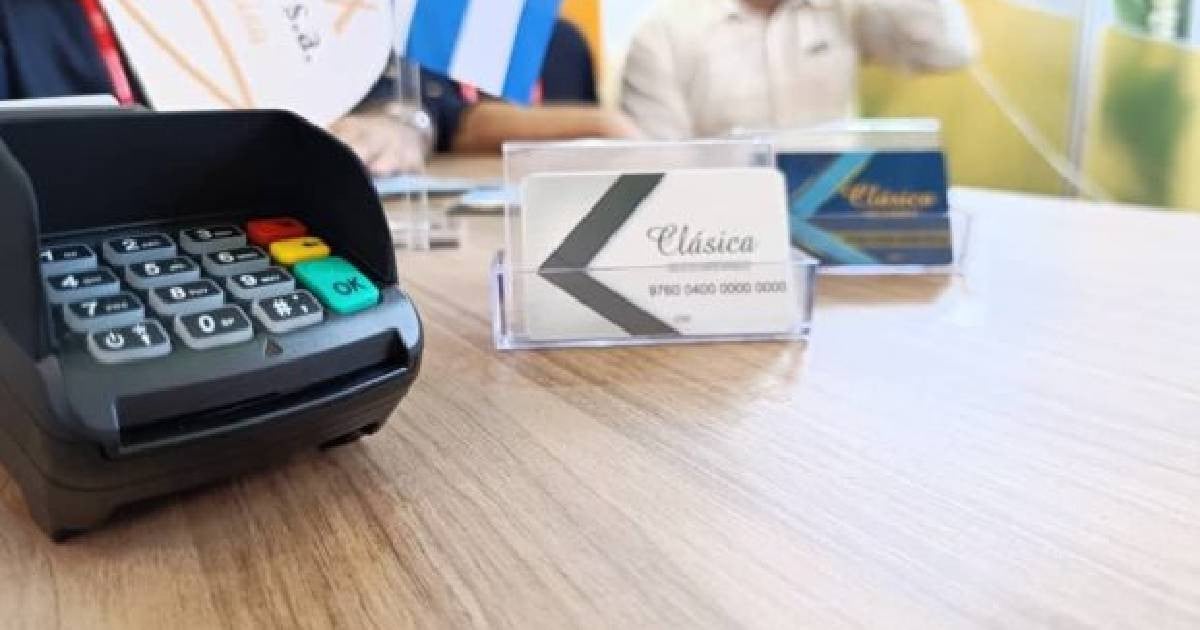
Residents of Camagüey, Cuba, face a daunting challenge when trying to obtain a Classic card, as one local described in a harrowing account. Despite visiting five different institutions in a single morning, the individual failed to secure the card.
Sharing their ordeal anonymously on the Facebook group Shein Camagüey 2024-2025, they referred to it as "a never-ending story." The journey included stops at Merci shopping center, the Cuba Street mall, the casino service center, the Banco Financiero Internacional (BFI), and La Borla bank, all without success.
The BFI was hampered by a power outage. Meanwhile, La Borla had the cards, but the manager said they couldn't issue them because the responsible employee was busy with other tasks.
Complicating matters, when the resident tried to pay with a $10 bill, the bank employee rejected it due to a minor stain. After exchanging the bill with a relative and returning, they were told by the doorman that there were no Classic cards available.
When asked about countries from which the card could be recharged, the bank worker dismissively admitted ignorance and directed the person to Fincimex. "How can someone working in a bank not know this information?" the resident questioned.
They summed up the situation: "One place has power but no cards, another has cards but no power."
The post quickly garnered numerous comments from others who had similar experiences. Täniã Llanes shared that her quest for a Classic card took an entire week, facing closed systems, power outages, and card shortages.
Diego Antonio De La Torre Castro likened the situation to an "odyssey," highlighting the endless bureaucracy where citizens rarely find solutions, instead encountering "indifference, apathy, unprofessionalism, and mistreatment."
Regor Maceo encapsulated the problem: "When nothing belongs to anyone, no one cares about anything."
Anelys Costilla pointed out another issue: the refusal to accept bills with minor defects. This widespread practice in Cuba lacks any published regulation and contrasts with the country's inability to print or issue its own dollars.
The Classic card, a prepaid dollar-rechargeable card issued by Fincimex/Cimex under Gaesa, the military conglomerate, costs four dollars. It's one of the few ways to access foreign currency goods in Cuba, resulting in high demand despite its limitations.
This incident highlights the worsening banking crisis in Camagüey. In April, elderly citizens camped overnight at the Bank of Charity to secure their pension payments, and in February, entire municipalities endured four days without banking services due to power outages.
The Banco Popular de Ahorro admitted in April its inability to provide cash dollars due to "low availability of freely convertible currencies." On May 8, Banco Metropolitano announced official channels for complaints, with response times up to 30 days.
Understanding the Challenges of Banking in Cuba
What are the main obstacles to obtaining a Classic card in Camagüey?
The primary challenges include frequent power outages, unavailability of cards, bureaucratic inefficiencies, and dismissive attitudes from bank staff.
Why is the Classic card in high demand in Cuba?
The Classic card allows access to goods in foreign currencies, which are otherwise difficult to obtain in Cuba, making it a valuable resource despite its limitations.
How does the banking crisis affect daily life in Camagüey?
The banking crisis exacerbates daily struggles, with residents facing prolonged waiting times, limited access to funds, and ongoing uncertainty regarding financial transactions.