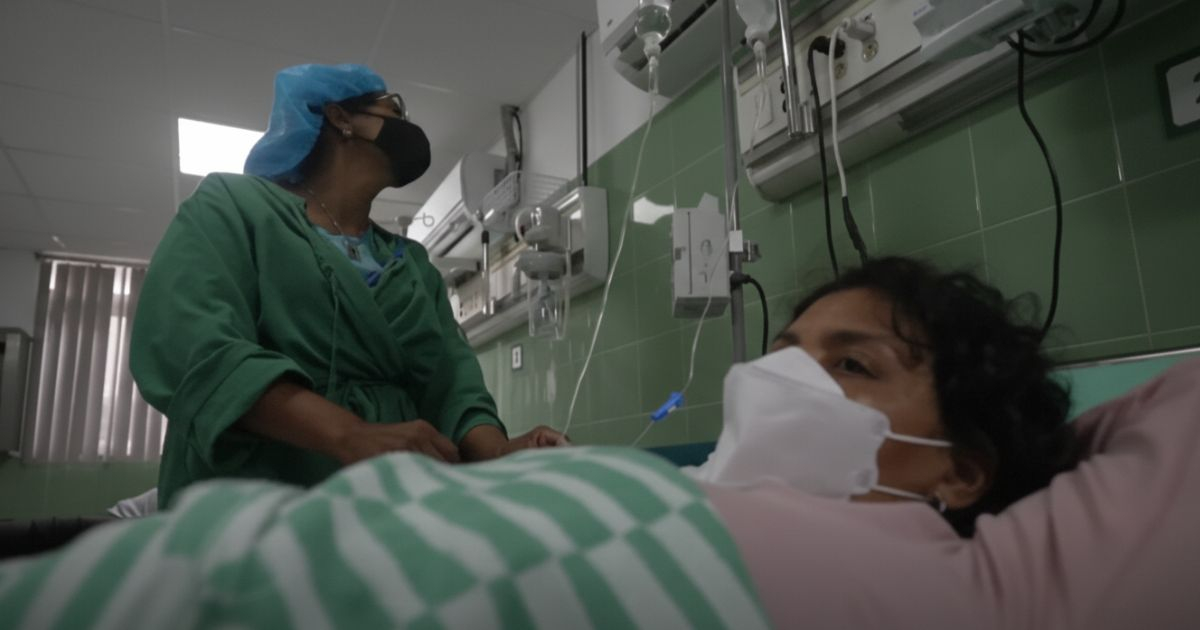
The recent article by Cubadebate, which blames over 100,000 delayed surgeries in Cuba on the U.S. energy embargo, sparked a wave of criticism on social media this Saturday. Many Cubans dismissed this narrative, reminding others that the healthcare system's breakdown predates the 2026 oil sanctions.
The state-run outlet quoted Altaf Musani, the World Health Organization's Director of Emergency and Disaster Management, who noted after a four-day visit to the island that the energy crisis led to these surgical delays, affecting over 11,000 children.
Cubadebate directly linked this crisis to an executive order signed by President Trump on January 29, 2026, which imposed tariffs on countries supplying oil to Cuba.
However, Cubans were quick to respond critically. Yanet Pérez Garrido commented on Facebook, "Have some shame for once in your life. For over 13 years, there have been long waits for surgeries and radiation, a lack of essential supplies, and other horrors endured by patients, families, and healthcare workers who often have to decide whether the scarce resources go to the young or the elderly."
She further criticized the regime, stating, "We suffer because of a blockade that benefits the government by allowing them to justify their inefficiency and shamelessness. For them and their 'own,' all problems are always solved. They are unaware of untreated diseases, hunger, and unfulfilled dreams."
Hendris Manuel echoed this sentiment, calling the article "an insult to people's intelligence" and "shameless."
Another commenter, Yoa Pzm, reminded others of the long-standing issues: "Even before, surgeries were rare unless you had a connection in a hospital. Remember, Cubans are intelligent, most of us are educated and have good memories."
Saylin T. Mora posed a question the official media never addresses: "When will they write about the government's role in the poor public policies contributing to many of the Cuban people's problems?"
Citizen outrage is supported by data. The Cuban government itself admitted to the UN that by the end of February 2024—almost two years prior to Trump's oil sanctions—there was already a surgical waiting list of 86,141 patients, including 9,000 children.
By April 2026, this number had risen to 96,400 patients waiting for surgery, according to official Cuban sources.
The Minister of Public Health, José Ángel Portal Miranda, stated in February 2026 that the system was "on the brink of collapse," admitting in a televised appearance that the government could not quickly resolve the shortages of resources, medications, and medical supplies.
That same month, Holguín halted all elective surgical activities, and Matanzas declared a temporary stop to non-urgent surgeries, maintaining only emergency and oncology cases.
Blaming the embargo for the healthcare collapse is a recurring tactic. In December 2025, the Ministry of Public Health had already attributed the pharmaceutical crisis to the embargo, avoiding any responsibility for internal mismanagement. In April 2026, Cubadebate used the same excuse for the decline in survival rates for children with cancer, resulting in similar reactions.
In April 2026, Díaz-Canel visited the Cubadebate booth, urging its staff to "insert Cuba's truth," portraying state media as an "ideological trench."
Cubans on social media clearly differentiate between the recent worsening of the crisis and the structural decay over decades, refusing to let the former mask the latter.
Cuban Healthcare Crisis: Questions and Answers
What is the reason behind the surgical delays in Cuba?
While Cubadebate blames the U.S. energy embargo, many Cubans argue that the healthcare system's collapse started long before the 2026 oil sanctions, citing years of mismanagement and lack of resources.
How has the Cuban government addressed the healthcare crisis?
The government has acknowledged the system's collapse but has admitted it cannot quickly resolve the shortages of medical resources, medications, and supplies.
What is the public's perception of the government's response?
Many Cubans are highly critical, accusing the government of using the embargo as an excuse to mask inefficiencies and longstanding issues within the healthcare system.