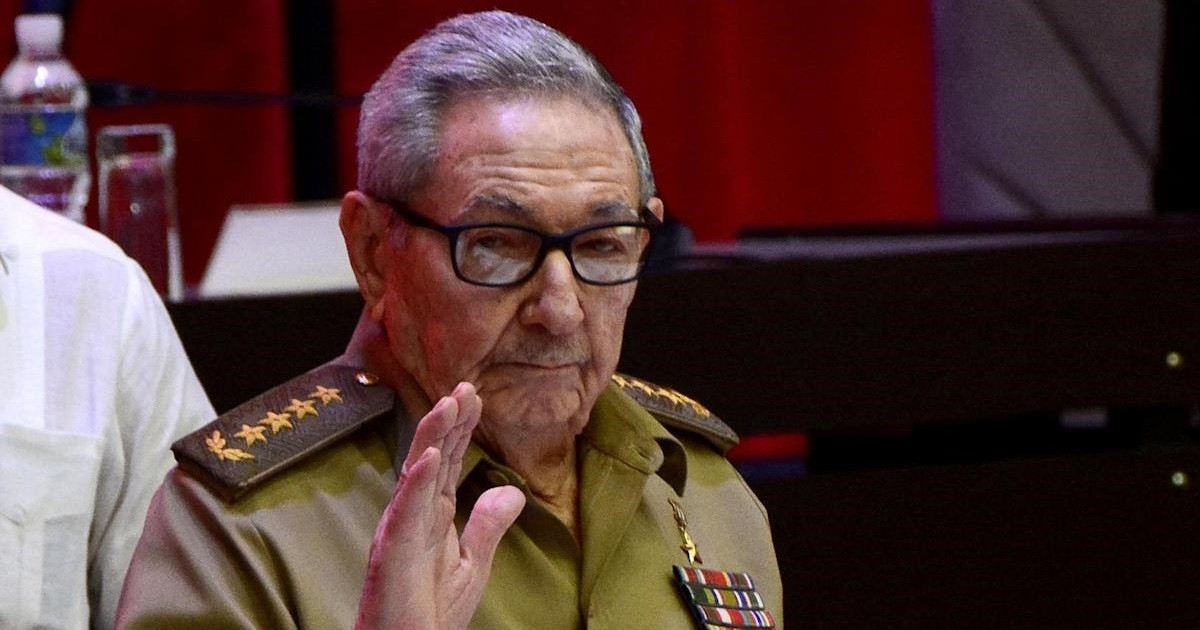
The U.S. Department of Justice is reportedly advancing efforts to indict Raúl Castro, the 94-year-old former Cuban president and ex-military leader, for his alleged involvement in the 1996 shootdown of two Brothers to the Rescue humanitarian planes, according to CBS News.
This potential indictment, pending grand jury approval, targets the events of February 24, 1996. On that day, Cuban Air Force MiG-29 jets shot down two unarmed Cessna aircraft over international waters, resulting in the deaths of four individuals.
The victims, all U.S. citizens or permanent residents, were Armando Alejandre Jr., 45, Carlos Costa, 29, Mario de la Peña, 24, and Pablo Morales, 29. Tragically, their remains were never found.
International Outcry Over the Incident
The Organization of American States determined that the shootdowns occurred nine to ten nautical miles outside of Cuban territorial airspace, in clear violation of international law.
At the time, Fidel Castro was Cuba's leader, with Raúl leading the armed forces. Fidel admitted to journalist Dan Rather that the military acted under his "general orders" to intercept planes entering the country.
Uncovering the Plan Behind the Shootdowns
Declassified FBI documents reveal a premeditated "Operation Venice," initiated by February 13, 1996, to target the planes. The direct perpetrators identified were twin brothers Lorenzo Alberto Pérez Pérez and Francisco Pérez Pérez, lieutenant colonels in the Cuban Air Force. Despite being charged in the U.S., they were never extradited.
The only individual convicted in connection to the case was Cuban intelligence officer Gerardo Hernández, who was sentenced to life for conspiracy to commit murder by providing intelligence about Brothers to the Rescue. He was released during a 2014 prisoner swap.
Political Implications and U.S. Strategy
The potential charges against Raúl Castro align with the Trump administration's maximum pressure campaign against the Cuban regime. Recently, the U.S. Attorney for the Southern District of Florida initiated efforts to criminally pursue leaders of the Cuban Communist Party, involving federal and local agencies, along with the Treasury Department.
This week, CIA Director John Ratcliffe met with Raúl's grandson, "Raulito" Rodríguez Castro, in Havana. The message was clear: the U.S. is open to serious talks on economic and security issues, but only if Cuba undertakes significant reforms.
A CIA official emphasized that Cuba cannot remain a safe haven for adversaries within the Western Hemisphere.
Renewed Calls for Justice
In March, Florida's Attorney General reopened the criminal investigation into the shootdowns. Senator Rick Scott and Cuban-American congress members formally urged the Justice Department to charge Castro and bring him to face U.S. justice.
Florida Governor Ron DeSantis reacted with enthusiasm, declaring, "It's about time!"
Although Raúl Castro officially stepped down as the Communist Party's leader in 2021, he remains a significant power player within the regime. He has never set foot in the U.S., and the absence of an extradition treaty between the two nations makes the indictment a largely symbolic yet politically potent move in Washington's strategy against Havana.
Key Questions About the Raúl Castro Indictment
Why is the U.S. considering charges against Raúl Castro now?
The move is part of a broader strategy under the Trump administration to increase pressure on the Cuban regime, highlighting unresolved issues from past incidents like the 1996 shootdowns.
What were the consequences of the 1996 incident?
The shootdown led to international condemnation, strained U.S.-Cuba relations, and resulted in the loss of four lives, whose remains were never recovered.
Can Raúl Castro be extradited to the U.S.?
Currently, there is no extradition treaty between Cuba and the U.S., making it unlikely for Castro to face trial in the U.S., rendering the indictment largely symbolic.