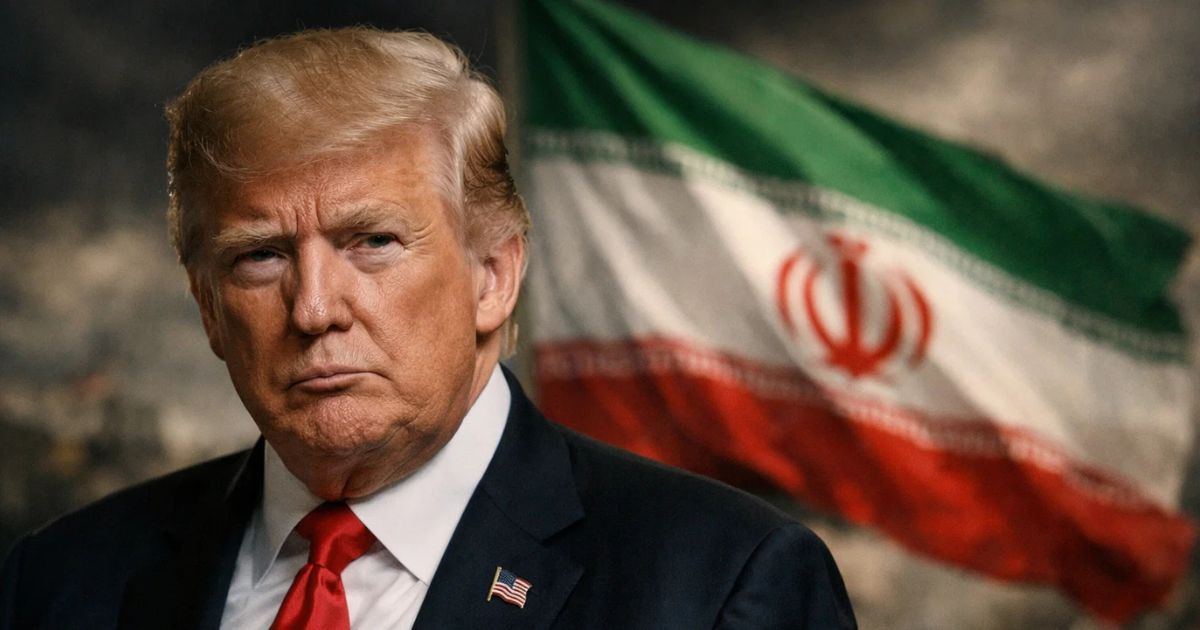
President Donald Trump has openly stated that he doesn't give much thought to the financial hardships faced by Americans when making decisions regarding the conflict with Iran. This admission adds to the political pressure on the White House as gasoline prices surpass $4.50 per gallon nationwide.
When questioned about whether the economic effects on American households influenced his desire to strike a deal with Tehran, Trump was unequivocal: "The only thing that matters when I talk about Iran is that they can't have a nuclear weapon. I don't think about the financial situation of Americans. I don't think about anyone. I focus on one thing: we cannot allow Iran to have a nuclear weapon. That's all."
Previously, Trump had described the rising prices as a "small price to pay" for efforts to topple the Iranian regime and prevent Tehran from acquiring nuclear arms.
Since the conflict began, blocking access to the Strait of Hormuz—through which a fifth of the world's oil supply normally passes—gasoline prices have surged by over 50%, with seven states already exceeding five dollars per gallon, according to AAA data.
Inflation reached 3.8% in April 2026, its highest level in nearly three years, while consumer sentiment plummeted to historic lows.
More than six out of ten Americans report that the spike in fuel prices has impacted their family finances, according to a Reuters/Ipsos poll in May. Trump's economic approval rating has fallen to 30%, several points below its level at the start of the conflict.
An anonymous political advisor from the White House summed up the administration's predicament: "They feel that's their biggest vulnerability right now: that specific cost, gasoline, not the overall economic conditions. The hardest part is that we turned gasoline prices into Biden's Achilles' heel, and now it's ours."
In response to the political fallout, the White House is seeking immediate relief options. This week, Trump endorsed suspending the federal gasoline tax of 18.4 cents per gallon, a measure requiring Congressional approval that Republican leaders have yet to formally support.
The Department of Energy also announced the loan of 53.3 million barrels of oil from the national strategic reserve to stabilize the market.
In April, the administration had already exempted certain Russian oil from sanctions and relaxed maritime transport regulations to ease fuel supply.
Only one in four Americans believes the war with Iran has been worthwhile, compared to 53% who say it hasn't, according to a Reuters/Ipsos survey conducted from April 24 to 27. Even one in five Republicans shares that sentiment.
Republicans are concerned that the economic strain could lead to electoral consequences in the November midterm elections, where the party risks losing control of the House of Representatives and possibly the Senate.
Republican strategist Amy Koch warned that the window of opportunity is narrowing: "I think people are willing to endure some short-term financial pain if it means resolving the issue with Iran, but time is running out for the White House."
Key Questions on the U.S.-Iran Conflict and Economic Impact
What is the primary concern of Trump regarding Iran?
Trump's primary concern is preventing Iran from acquiring a nuclear weapon, regardless of the economic impact on Americans.
How have gasoline prices in the U.S. been affected by the conflict with Iran?
Gasoline prices have increased by over 50% due to the conflict, with some states seeing prices exceed five dollars per gallon.
What measures is the White House considering to alleviate the economic impact?
The White House is considering suspending the federal gasoline tax and has also announced the release of oil from the strategic reserve to stabilize the market.