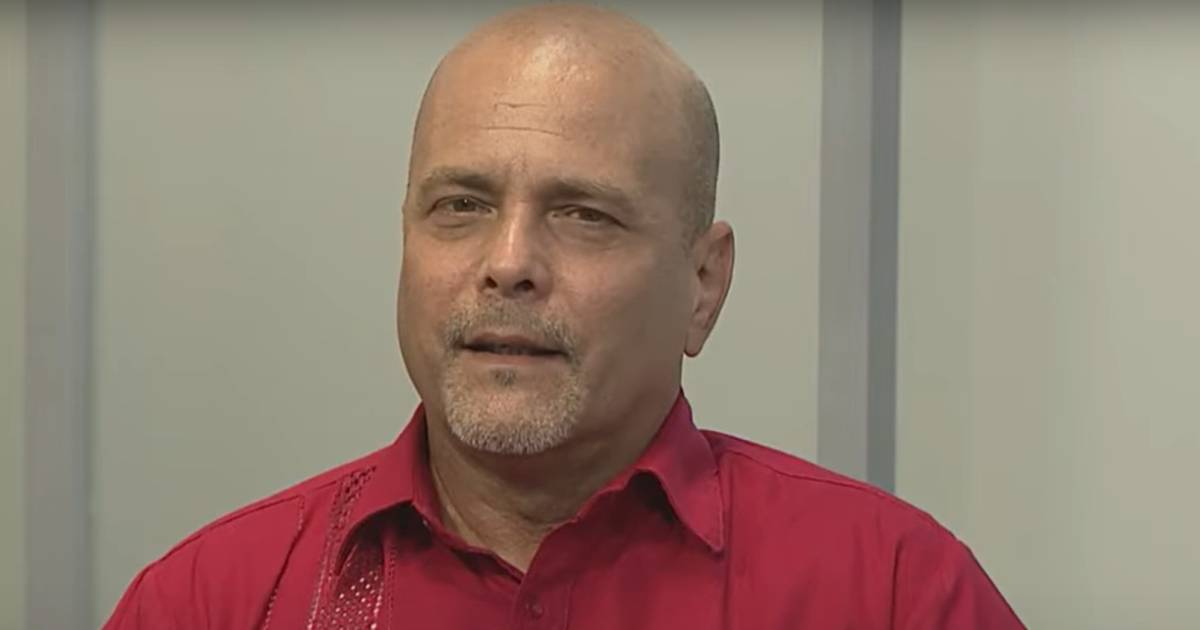
Former spy Gerardo Hernández Nordelo, who serves as the national coordinator of the Committees for the Defense of the Revolution and is one of the so-called "Five Heroes," recently posted a series of messages on his social media accounts. These posts inadvertently acknowledged the real risks involved in protesting in Cuba, rather than discrediting the recent demonstrations that erupted in Havana.
The situation began when Hernández shared a post by exiled musician Yotuel, who expressed support for the Wednesday night protests in Havana with the message "Let's go San Miguel." Hernández mocked Yotuel by adding, "Go ahead, do what I didn't have the courage to do," attempting to ridicule the singer's encouragement of protests from abroad.
However, this backfired. By admitting he "didn't have the courage" to protest, Hernández inadvertently highlighted the bravery required to protest in Cuba and its potential repercussions.
In another post, Hernández was even more direct: "It's less perilous to watch from a couch over a thousand miles away," he wrote, referring to exiled Cubans supporting protests from afar. This statement underscores what the regime often fails to openly admit: protesting in Cuba is dangerous.
Hernández also shared an image with a caption stating, "This morning we have fewer containers to throw trash in, and we still have less oil because of the blockade, leading to more blackouts." This referred to the burning of garbage containers during nighttime protests across the capital and blamed the U.S. embargo for fuel shortages and power outages, aligning with the regime's official narrative.
The protests prompting these reactions were the most intense in Havana this year. On Wednesday night, the city witnessed pot-banging, anti-communist slogans, the burning of garbage containers, and street blockades in areas like Lawton, Luyanó, Santo Suárez, Guanabacoa, Marianao, and Puentes Grandes.
The immediate trigger was the year's worst energy crisis: the Electrical Union recorded a record deficit of 2,113 MW at 8:40 PM on Wednesday, causing blackouts lasting up to 22 hours in some parts of the capital.
This isn't the first time Hernández's social media posts have had unintended consequences. Earlier this year, he inadvertently promoted the opposition slogan "Cuba to the streets" by sarcastically sharing an image of graffiti.
The Cuban Conflict Observatory reported 1,133 protests in April 2026 alone, marking a 29.5% increase compared to the same month the previous year, indicating a growing trend of social unrest on the island.
Yotuel, co-author of "Patria y Vida" and the anthem of the July 11, 2021 protests, has been actively encouraging each wave of demonstrations from exile. In February, he urged Cubans to take to the streets "demanding freedom, demanding homeland and life," and in March, he responded with similar messages to protests in Morón, Camagüey.
The Risks and Challenges of Protesting in Cuba
What are the consequences of protesting in Cuba?
Protesting in Cuba can lead to serious repercussions, including arrest, harassment, and potential danger from state authorities. The regime does not tolerate dissent, making public demonstrations a risky endeavor.
Why did Gerardo Hernández's comments backfire?
Hernández's comments backfired because they inadvertently acknowledged the bravery required to protest in Cuba, implying the dangers involved. His attempt at mockery highlighted the very risks he intended to downplay.
How has Yotuel influenced protests from exile?
Yotuel has been a vocal supporter of the protests from exile, using his platform and music to inspire and encourage Cubans to demand freedom and change. His anthem "Patria y Vida" has become a rallying cry for many.