Recent weeks have seen a notable increase in U.S. military and intelligence flights around Cuba, as reported by The New York Times in a detailed article by Frances Robles, Eric Schmitt, and Julian E. Barnes.
Anonymous U.S. officials disclosed that the Navy and Air Force have ramped up reconnaissance missions, hinting at a broader military buildup expected in the Caribbean in the near future.
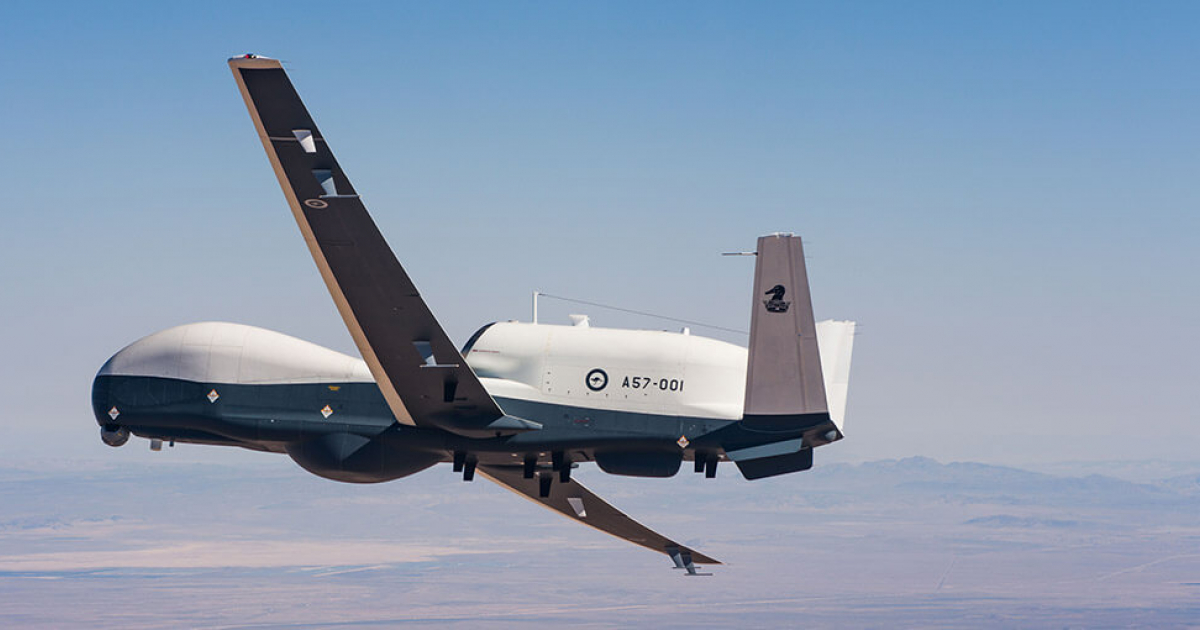
The operations involve a range of aircraft including the P-8 Poseidon maritime patrol plane, the RC-135 Rivet Joint electronic surveillance aircraft, the high-altitude MQ-4 drone, and other unmanned platforms. Their presence near Cuban shores has grown more frequent since February.
Based on publicly available FlightRadar24 data, analyzed by CNN, the Navy and Air Force have conducted at least 25 flights with manned aircraft and drones since early February, focusing primarily near Havana and Santiago de Cuba.
While publicly available tracking data doesn't capture intelligence agency drones, the actual number of missions is likely higher than reported.
Experts are struck by Washington's transparency regarding these missions. José Adán Gutiérrez, a former Navy commander with intelligence expertise, stated, "We can operate completely in the dark. The fact that these flights are being publicized indicates there's a message being sent."
A U.S. military official clarified to the NYT that, unlike the January commando operation in Venezuela where special forces captured President Nicolás Maduro, these flights aim to increase political and economic pressure on the Cuban regime, not foreshadow an imminent military action.
This strategy mirrors the pattern observed prior to the Venezuelan operation, where the government also reported similar intelligence flights in the weeks leading up to the action.
Renee Novakoff, former Deputy Director of Defense Intelligence and now a researcher at Florida International University, described the situation as unusual, highlighting its significance.
Chris Simmons, a former Defense Intelligence Agency counterintelligence officer for Cuba, characterized it as "a show of force more than anything else," though he noted President Trump's tendency to follow through on threats.
Brian Latell, a former CIA analyst for Cuba, remarked that such reconnaissance activity is unprecedented, even compared to the Cold War, suggesting the possibility of identifying potential landing areas.
This development occurs amidst a backdrop of escalating tensions. President Trump has repeatedly expressed his intention to overthrow the Cuban regime, declaring on March 27 that "Cuba is next" and asserting on May 2 that the U.S. would "take Cuba almost immediately."
The administration has also halted oil shipments to the island, exacerbating an energy crisis with electricity shortages exceeding 1,500 MW and blackouts lasting up to 30 hours in certain areas.
Cuban Deputy Foreign Minister Carlos Fernández de Cossío responded on X, stating that the "visible effort to normalize U.S. military aggression threats against Cuba is part of a coldly calculated communications strategy," warning that participants could become "accomplices to an eventual bloodbath."
While both sides have engaged in private negotiations, the Cuban government acknowledges that little progress has been made.
Key Questions on U.S. Military Activity Near Cuba
What types of aircraft are being used in the U.S. surveillance flights near Cuba?
The U.S. is using a variety of aircraft for surveillance near Cuba, including the P-8 Poseidon maritime patrol plane, the RC-135 Rivet Joint electronic surveillance aircraft, the high-altitude MQ-4 drone, and other unmanned platforms.
What is the purpose of these U.S. military flights around Cuba?
These flights are intended to apply political and economic pressure on the Cuban regime, rather than indicating an imminent military operation.
How has the Cuban government responded to the increased U.S. military activity?
Cuban Deputy Foreign Minister Carlos Fernández de Cossío criticized the U.S. actions as part of a calculated communications strategy, cautioning that this could lead to an eventual conflict.