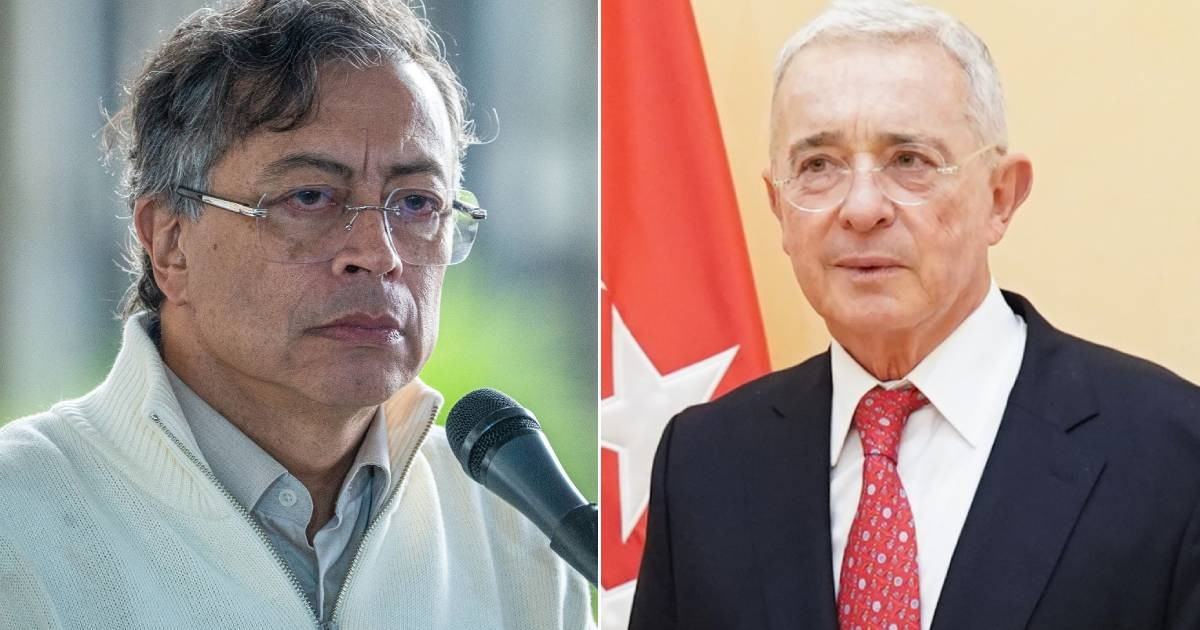
On Wednesday, former Colombian President Álvaro Uribe launched a sharp critique against President Gustavo Petro, drawing parallels between Petro's healthcare model and Cuba's state-run system. This criticism comes amid a financial crisis, which Colombia's Comptroller General has described as a "critical and sustained deterioration" within the government-intervened health promoting entities (EPS).
"Petro is dismantling healthcare so everyone becomes a servant of the state, just like in Cuba. Many people forgo meals to afford medications. Paloma will address the issue with a system based on freedom of choice and solidarity," Uribe stated on his social media platforms.
The former president, who led Colombia from 2002 to 2010 and is the head of the Democratic Center Party, made these remarks during a particularly challenging week for Colombia's healthcare system.
Financial Turmoil in the Healthcare Sector
A report by the Comptroller revealed that the eight government-intervened EPS — including Nueva EPS, Coosalud, Famisanar, Capresoca, Savia Salud, Asmet Salud, Emssanar, and SOS — are facing such severe degradation that millions of Colombians' access to medical care is at risk.
The figures are stark: Coosalud's liabilities surged from 1.88 trillion pesos in October 2024 to 6.34 trillion by 2025 following government intervention. Nueva EPS struggles with a 4.9 trillion pesos shortfall in technical reserves and 13.6 trillion in unaccounted advances, lacking certified financial statements for 2024 and 2025.
The collective net worth of these intervened EPS plummeted from 110 billion pesos in 2021 to -16.9 trillion in 2025, according to El País. Additionally, user complaints, grievances, and appeals from the intervened EPS soared to over two million in 2025, marking a 27.4% increase from the previous year.
Government Response and Internal Conflict
In response, Health Superintendent Daniel Quintero announced on Tuesday his decision to request the resignation of all intervened EPS managers. "Today, I have asked for the resignation of all the managers of the intervened EPS. We will assess their actions, results, responsiveness to petitions, complaints, and medicine delivery to determine their continuation or removal," Quintero declared.
This move prompted an immediate backlash from Jorge Iván Ospina, the manager of Nueva EPS, who publicly rejected Quintero's demand: "My resignation is requested by Petro, not Quintero!"
Political Implications and Future Directions
Uribe used this opportunity to endorse Paloma Valencia, a Democratic Center senator and presidential hopeful for the 2026 elections. Valencia champions a health system that allows free choice of insurer — public, private, or mutual — directly opposing Petro's state-centralized model.
Petro's health reform, aiming to centralize resources within the General Social Security Health System Resources Administrator (ADRES) and minimize the role of private EPS, faced legislative defeats in both 2023 and 2024 and remains unapproved.
Uribe frequently references Cuba in his rhetoric; the island's health system is state-controlled and centralized, lacking private insurers, a scenario Uribe warns Colombia could face under current government policies.
Impacts of Colombia's Health System Crisis
What is the main criticism Uribe has against Petro's healthcare model?
Uribe criticizes Petro's healthcare model for pushing Colombia towards a state-controlled system similar to that of Cuba, where citizens become dependent on the government for healthcare services.
How has the financial situation of the EPS affected Colombian citizens?
The financial troubles of the EPS have put medical care for millions of Colombians at risk, with increasing liabilities and a lack of financial transparency worsening the situation.
What actions did Health Superintendent Daniel Quintero propose?
Daniel Quintero requested the resignation of all managers of the intervened EPS, aiming to evaluate their effectiveness and accountability in handling complaints and medicine distribution.