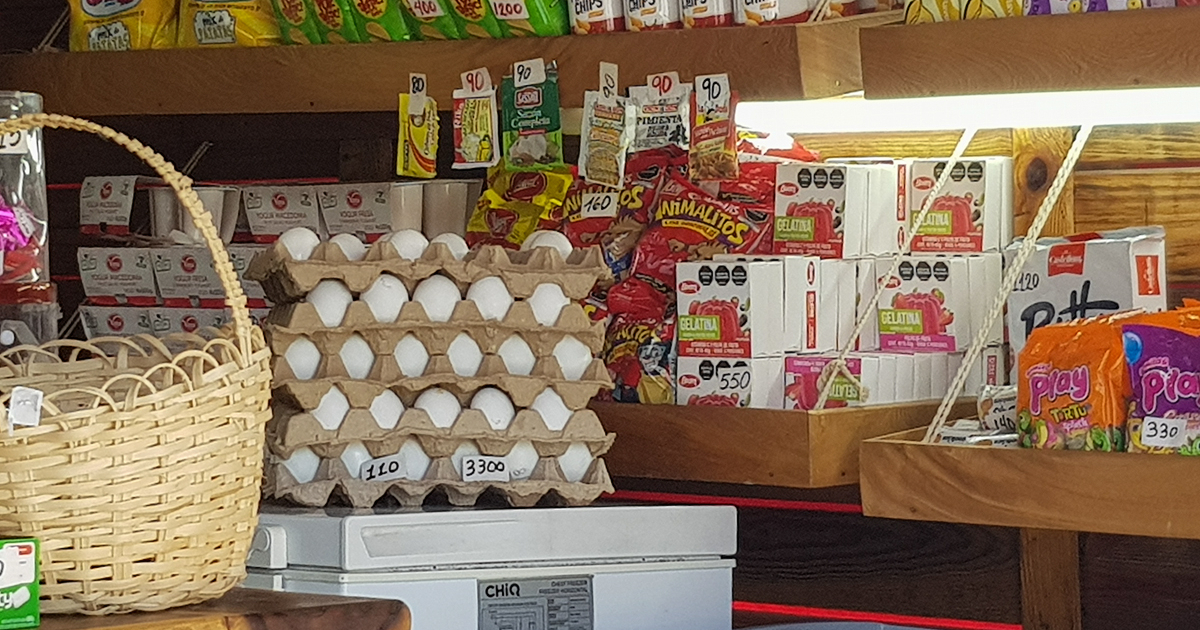
The persistent threat of inflation continues to underscore the dire state of Cuba's economy, as soaring prices remain unchecked by the authorities. Despite frequent political rhetoric promising economic stabilization, inflation levels remain abnormally high. Various components of the Consumer Price Index (CPI) suggest entrenched expectations of rising prices, indicating potentially worse outcomes in the months ahead.
April CPI Figures: A Grim Outlook
According to data from the National Office of Statistics and Information (ONEI) for April, the general CPI rose by 1.56% compared to March, bringing the annual accumulation to 7.18%. The year-over-year rate compared to April of the previous year surged to 14.73%. If this trend persists, 2026 could end with an inflation rate around 25%.
Sector-Specific Inflation Challenges
Transportation experienced the highest monthly increase at 2.7%, exacerbated by the ongoing energy crisis impacting costs significantly. Close behind were the restaurant and hotel sectors, with a 2.4% increase. Education saw a rise of 1.65%, pressing families to pay for what was once a revolutionary achievement. Likewise, food and non-alcoholic beverages climbed by 1.64%. These sectors are critical to the daily lives of all Cubans. Meanwhile, the smallest price increases were observed in communications and health.
Yearly Comparison and Rising Expectations
Within the first four months, transportation again topped the list with a 17.17% increase, followed by restaurants and hotels at 11.68%. These figures highlight that inflation in Cuba is spiraling out of control, driven by rising expectations linked to the current energy and humanitarian crises.
For year-over-year changes, transportation rose by 21.51% and restaurants and hotels by 24.66%, outpacing other sectors. Education, despite being a hallmark of the revolution, saw a high inflation rate of 18.67%, while food and non-alcoholic beverages increased by 18.16%. Housing services also recorded inflation above the average, with a year-over-year rate of 17.41%.
The only sector with a decrease in year-over-year inflation was alcoholic beverages and tobacco, which dropped by 7.02%. However, the rise in April and the upward trend in the annual accumulation suggest further increases that could elevate the overall CPI due to this sector's influence.
Analyzing Inflation Dynamics
Another perspective on Cuba's inflation dynamics is illustrated through an analysis of CPI components from January to April. The aim is to determine which components are accelerating their price growth. The results are as follows:
The first column shows the year-over-year inflation rate of the CPI components in April, ranked from highest to lowest. This would be the inflation rate if the year ended in April. The second column provides the same data for January, while the third column indicates whether inflation accelerated (+) or decelerated (-).
Only alcoholic beverages and tobacco experienced a reduction in inflation by -43.18 points, and health saw a minor decrease of 0.43 points.
The other nine components experienced inflation acceleration with significant variances among them.
Overall, the general CPI increased by 2.21 points from January to April. The largest increases, exceeding the average, were again seen in transportation with 16.17 points. This rise is expected to lead to higher prices in the coming months due to transportation's impact on the entire economy. Interestingly, the second-largest acceleration occurred in furniture and household items, with an increase of 11.16 points, followed by food and non-alcoholic beverages with 5.65 points and restaurants and hotels with 3.52 points.
The data confirms that by the end of the first quarter of 2026, inflation in Cuba remains high and is significantly increasing. The transportation component ensures future growth in the prices of other goods and services, indicating that the promised economic stabilization policies are ineffective and failing to deliver the desired outcomes. Economists agree that controlling inflation is crucial for implementing policies that foster economic growth in Cuba.
Understanding Cuba's Inflation Crisis
Why is inflation so high in Cuba in 2026?
Inflation in Cuba is high due to a combination of factors, including an ongoing energy crisis and rising costs in critical sectors like transportation and food, which are exacerbated by the government's inability to stabilize the economy.
Which sectors are most affected by inflation in Cuba?
Transportation, restaurants and hotels, and education are among the sectors most affected by inflation in Cuba. These sectors have seen significant price increases, impacting the daily lives of Cuban citizens.
What are the implications of rising inflation for Cuba's economy?
Rising inflation in Cuba complicates economic recovery efforts. It undermines purchasing power, increases living costs, and poses challenges for implementing growth-stimulating policies.