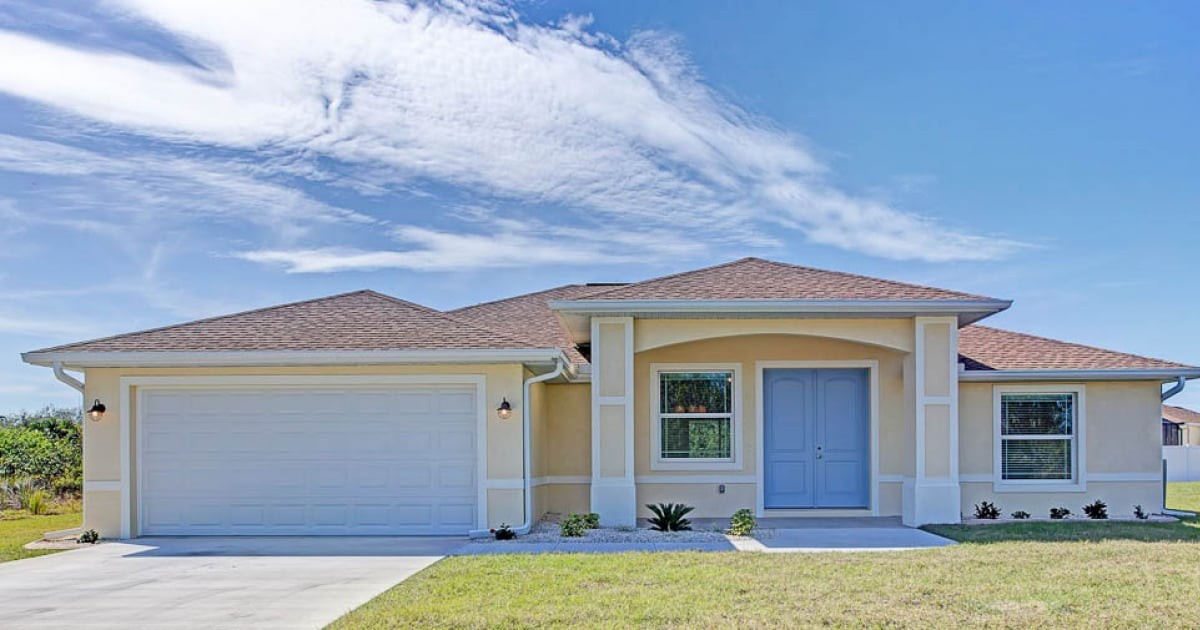
On Wednesday, a team of scientists from Florida International University (FIU) and the University of Kansas tested a prefabricated home against hurricane-force winds equivalent to a Category 5 storm. The aim is to gather critical data that could influence the construction industry.
According to Telemundo 51, these assessments will continue throughout May at the FIU campus in Miami, specifically at the unique "Wall of Wind" facility.
The trials are part of an eight-year research project known as WiSH (Wind Safe Housing), led by Dr. Elaina Sutley from the University of Kansas. This initiative seeks to evaluate the resilience of prefabricated homes against extreme weather conditions.
The "Wall of Wind" at FIU is the only facility in the nation that can generate winds up to 150 mph, utilizing 12 massive industrial fans to simulate Category 5 hurricane conditions. The initial tests started with wind speeds of 110 mph at 8 a.m., with plans to gradually increase to 130 mph and eventually reach 150 mph.
The prefabricated home being tested was set up to meet the stringent Wind Zone 3 standard, the highest safety rating in Miami-Dade County, as specified by State Farm. This standard is designed to withstand winds of 110 mph, though researchers anticipated that the home might come apart "sooner than expected, based solely on low-speed trials."
The regulatory backdrop is a crucial aspect of this study. "The key issue with prefabricated homes is that they are governed by a separate set of building codes, overseen by the U.S. Department of Housing and Urban Development. This code hasn't been updated in 32 years. Meanwhile, we've made significant strides in wind engineering and science, and we want to see these innovations incorporated," explained Dr. Sutley before the tests commenced.
Prefabricated homes account for over 8% of the housing stock in the United States and are typically the first to be evacuated when hurricane warnings are issued. This highlights the pressing need for updating the regulations governing them.
In contrast, Florida's building codes for traditional homes in Miami-Dade and Broward require resistance to winds exceeding 170 mph, including debris impact tests and cyclic pressure evaluations. This reveals a notable gap compared to the federal standards for prefabricated homes.
The official statement from the project underscores its mission: "This research aims to assess the best practices for proper installation and hurricane mitigation in these homes, ultimately helping to save lives."
This week's tests are among the final evaluations of the WiSH project, taking place just under three weeks before the 2026 Atlantic hurricane season begins on June 1. The season is forecasted by Colorado State University to include 13 named storms and six hurricanes.
The situation is further complicated by Florida's loss of nearly $300 million in federal funding from FEMA's BRIC program, which was canceled in 2025, weakening the state's disaster preparedness capacity.
Key Questions About Prefabricated Home Resilience
Why are prefabricated homes being tested against Category 5 hurricane winds?
The tests aim to gather data that can improve construction standards and ensure the safety of prefabricated homes during extreme weather, especially given their vulnerability and the outdated codes governing them.
What is the significance of the "Wall of Wind" facility at FIU?
The "Wall of Wind" is a unique testing facility capable of simulating Category 5 hurricane conditions with wind speeds up to 150 mph, providing invaluable insights into how structures can withstand such forces.
How do current building codes for prefabricated homes compare to those for traditional homes in Florida?
Prefabricated homes are subject to less stringent federal codes, whereas traditional homes in Florida must adhere to more rigorous standards, including resistance to winds over 170 mph and additional impact tests.