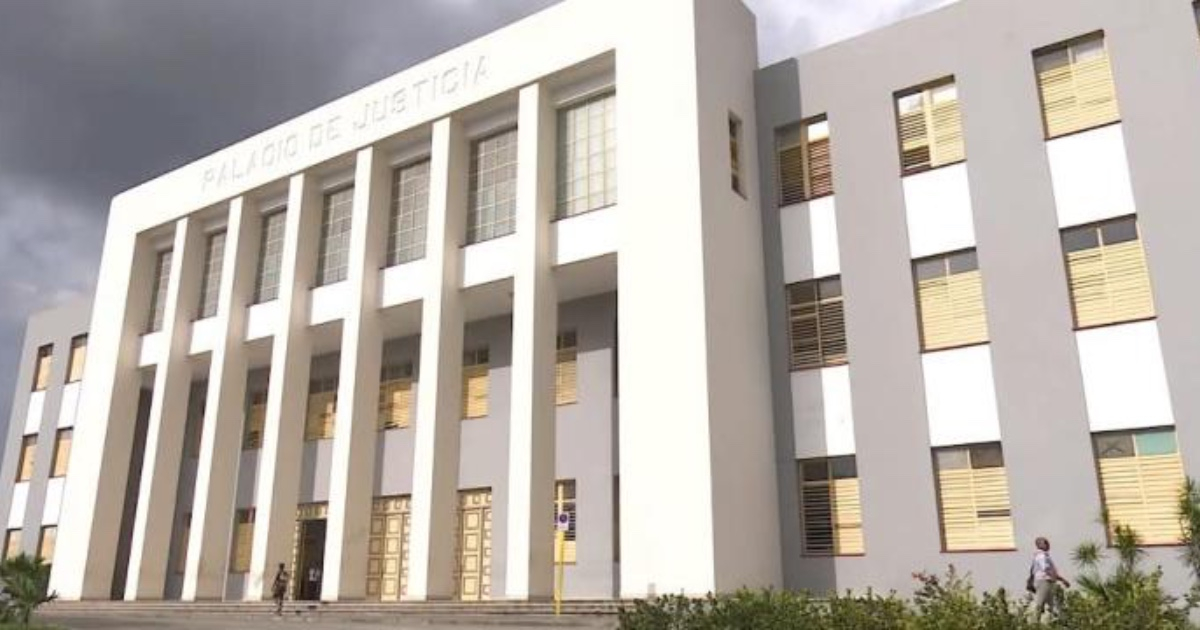
A worker from Santiago de Cuba's Saturnino Lora Provincial Hospital has been sentenced to 12 years in prison for embezzlement and sabotage after stealing over 5,700 liters of diesel fuel meant for the hospital's backup generators. The theft led to power outages for patients reliant on ventilators, according to a report from the Provincial Popular Court of Santiago de Cuba.
The accused, who served as an Energy Efficiency Specialist, was solely responsible for managing the diesel fuel storage for the hospital's generators. The court found that he extracted 5,742 liters of diesel from the tanks and sold it on the black market.
The Sabotage Scheme Unveiled
To cover up the theft, the worker refilled the generators using reserve fuel. When the reserve tank also showed discrepancies, he added water to disguise the shortage, contaminating the remaining fuel. This led to a critical failure: when the National Electric System experienced a disconnection, the hospital's generators were rendered inoperative due to the tainted fuel.
This malfunction severely impacted the services at the Provincial Hospital and the Cardiocenter, disrupting the care of five patients in the Intensive Care Unit who depended on mechanical ventilators. Additionally, the contamination resulted in clogged and damaged protective filters and decanting equipment.
Judicial and National Repercussions
The court emphasized the seriousness of the situation, which occurred during a period of significant energy challenges for the country, noting that some affected patients were in critical condition and required mechanical respiration.
The 12-year sentence was imposed as a unified punishment, accompanied by additional penalties including the loss of public rights, a travel ban, and the obligation to pay civil liability.
This case is part of a broader crackdown on electrical sabotage by the Cuban regime, aimed at curbing systematic fuel theft from state facilities. In May 2025, the Supreme People's Court issued Decree 475, identifying intentional damage to critical infrastructure, including the electrical system, as sabotage — punishable by up to 30 years, life imprisonment, or even death in severe cases.
Widespread Issue of Fuel Theft
The theft of diesel intended for hospital generators has become a widespread issue in Cuba. In October 2025, state media exposed organized fuel theft networks in Havana facilities, where workers were diverting diesel from generators for illegal market sales.
The United Nations reported a backlog of 96,000 surgeries in Cuba, 11,000 of which involved children, as a direct result of the island's ongoing energy crisis following 67 years of communist dictatorship.
Understanding the Legal and Social Impact of Fuel Theft in Cuba
What were the charges against the hospital worker in Santiago de Cuba?
The worker was charged with embezzlement and sabotage for stealing diesel fuel and contaminating reserve tanks with water, leading to power outages for critically ill patients.
How does the Cuban regime classify acts of sabotage against the electrical system?
The Cuban regime classifies intentional damage to critical infrastructure, including the electrical system, as sabotage, with penalties ranging from up to 30 years in prison, life imprisonment, or death in severe cases.
What is the broader impact of the fuel theft issue in Cuba?
Fuel theft has led to widespread energy shortages, affecting critical services and causing a backlog of medical procedures, with the United Nations reporting significant delays in surgeries, including those for children.