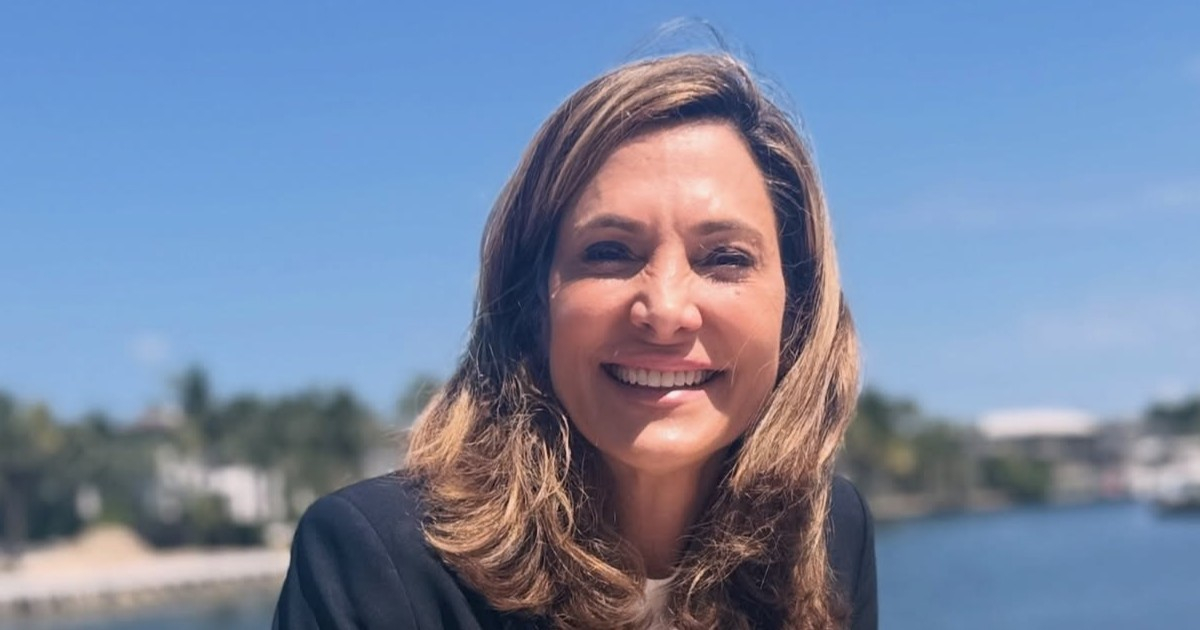
On Tuesday, Cuban-American Republican Congresswoman María Elvira Salazar strongly reacted to Defense Secretary Pete Hegseth's testimony before Congress, affirming that the Cuban regime poses a clear and immediate threat to the national security of the United States.
"The truth is finally being unveiled. Today, we heard it straight from the Secretary of Defense: Cuba is a clear and present danger to the United States," Salazar stated on her X account.
Representing Florida's 27th district, Salazar emphasized that the regime is more than just an annoying neighbor. "It serves as a strategic base for China and Russia and as a haven for terrorist organizations, all just 90 miles off our coast," she asserted.
Salazar also noted that Cuban-Americans in South Florida have been sounding the alarm about this threat for decades: "My constituents and I know this reality all too well; we see the danger while others look away."
Congressional Hearings Highlight Security Concerns
The testimony that prompted Salazar's reaction occurred during a session of the House Defense Appropriations Subcommittee, which was focused on the 2027 military budget and tensions with Iran.
During the hearing, Congressman Mario Díaz-Balart questioned Hegseth point by point about Cuba, with the Secretary confirming each concern: that the island harbors terrorists and fugitives from U.S. justice ("Yes. I agree"); that the Russian navy, including the nuclear submarine Kazan, uses Cuban ports ("That is true, Congressman"); and that the Russian signals intelligence complex in Lourdes is "very problematic."
Regarding espionage operations against the U.S. documented during the Obama, Biden, and Trump administrations, Hegseth was equally forthright: "All of that sounds very correct, sir."
In response to Díaz-Balart's final direct question—"Do you believe the Cuban regime poses a threat to U.S. national security?"—the Secretary's answer was a single word: "Yes."
Political Reactions and Sanctions
Díaz-Balart shared the exchange on social media, stating, "Previous administrations have overlooked the threat, but the Trump administration is taking it seriously."
On the same day, Congressman Carlos Giménez criticized Republican senators opposed to strong actions against Cuba, accusing them of "never showing much willingness to side with the Cuban people."
Hegseth's testimony comes amid increased pressure from the Trump administration on Havana. On January 29, Trump signed an executive order declaring a national emergency due to the "unusual and extraordinary" threat posed by the regime, and on May 7, Marco Rubio announced specific sanctions against GAESA, the military conglomerate controlling between 40% and 70% of the Cuban economy.
Salazar concluded her message with an unequivocal warning: "Cuba cannot continue to be the threat it represents to our shores and our security."
Understanding the Threat of Cuba to U.S. National Security
Why is Cuba considered a threat to U.S. national security?
Cuba is seen as a threat because it serves as a strategic base for countries like China and Russia, harbors terrorist organizations, and engages in espionage activities against the United States.
What actions has the Trump administration taken against Cuba?
The Trump administration has increased pressure on Cuba by declaring a national emergency over its threats and imposing sanctions on military-controlled conglomerates like GAESA.
How have Cuban-Americans responded to the perceived threat from Cuba?
Cuban-Americans, particularly in South Florida, have long warned about the threat posed by the Cuban regime, emphasizing its strategic alliances and proximity to the U.S.