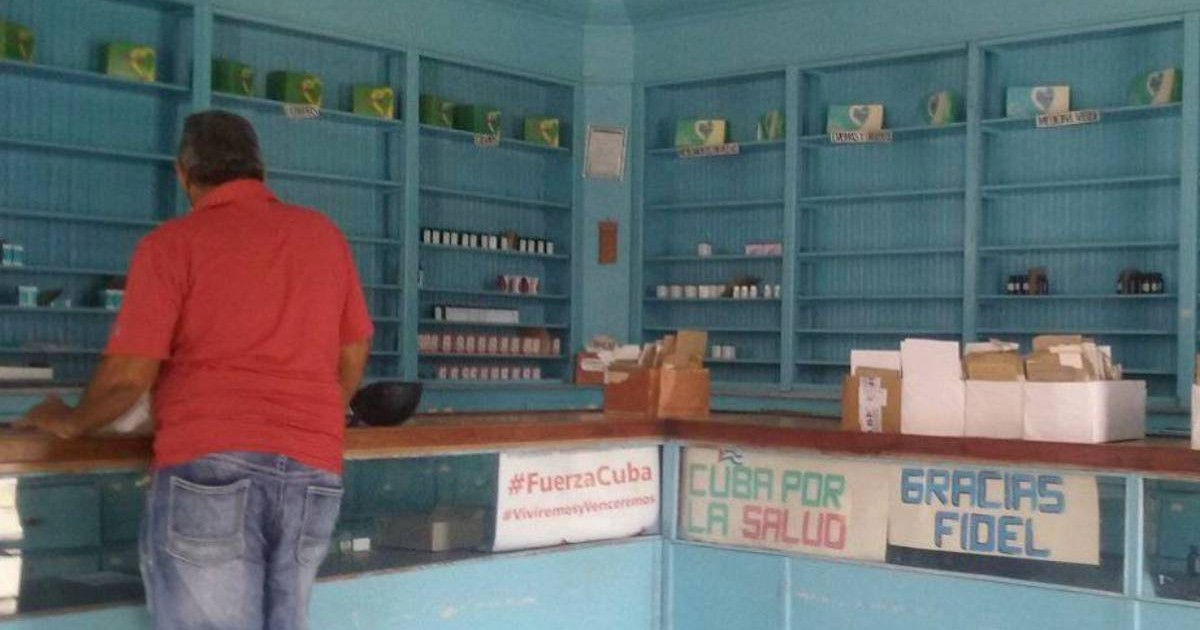
A digital survey conducted by CubaData for Diario de Cuba between February 23 and March 13, 2026, with 1,788 respondents from across Cuba, highlights that the majority of Cubans are facing significant hurdles in acquiring medicines and healthcare services.
This survey, which spanned 19 days and is the second installment in a planned series of ten by Diario de Cuba, asked participants about their difficulties in obtaining medicines and healthcare over the past year.
Severe Medicine Shortages
The findings on medication access are striking: a mere 4.8% of those surveyed reported obtaining medicines without any difficulty.
A substantial 40.4% encountered "great difficulty," while 13.8% found it impossible to secure them, resulting in 54.2% of Cubans facing serious barriers to accessing pharmaceuticals.
Healthcare Access Woes
The situation isn't much better regarding healthcare: 37.1% experienced "great difficulty" in receiving medical care, and 11% stated it was unattainable.
When combined, 48.1% of respondents face severe difficulties in accessing the state healthcare system, with only 5.3% reporting no issues at all.
Household Concerns and Government Admissions
The scarcity of medicines and lack of healthcare are among the most pressing household issues: 39.4% of respondents rank them among their top three concerns, and 31.9% include medical care in this category.
These statistics align with admissions from Cuban authorities themselves. In July 2025, the Minister of Public Health, José Ángel Portal Miranda, acknowledged before the National Assembly that Cuba only had 30% of its essential medicines available.
Out of 651 essential drugs, 461 are completely unavailable or in low supply nationwide.
In Villa Clara, provincial officials admitted on February 27, 2026, that 368 out of 636 medications are lacking, affecting "all pharmacological families."
Broader Health Crisis Indicators
The healthcare crisis extends beyond medication shortages. Over 96,387 patients are on surgical waiting lists in Cuba, including 11,193 children.
The infant mortality rate ended 2025 at 9.9 per 1,000 live births, nearly tripling from 3.9 in 2018, indicating a progressive collapse of the system.
Additionally, the massive emigration of doctors—estimated at 15,000 in 2025 alone—and power outages lasting up to 20 hours a day directly impact medical services, as documented by Human Rights Watch in its 2026 World Report.
Living Conditions and Public Perception
The survey also illustrates the general deterioration of living conditions: 78.2% of households reported that someone skipped at least one meal due to food shortages, and 57.1% describe the country's situation as "very bad," up from 52.3% in the first survey of the series conducted between January and February 2026.
This increase over just a few weeks indicates a rapidly worsening public perception of a crisis that the Cuban regime has failed to reverse after more than six decades in power.
FAQs on Cuba's Healthcare and Medicine Accessibility Issues
What are the main barriers to accessing medicines in Cuba?
The primary barriers include severe shortages of essential medications, with only 30% of the basic medicine inventory available, as acknowledged by Cuban authorities.
How does the healthcare crisis affect Cuban households?
The healthcare crisis significantly impacts households, with nearly 40% of respondents listing it among their top concerns, and many families experiencing severe difficulties in accessing medical care.
What is the current state of healthcare services in Cuba?
Cuba's healthcare services are severely strained, with significant shortages of medicines, long surgical waiting lists, and infrastructure issues exacerbated by frequent power outages.