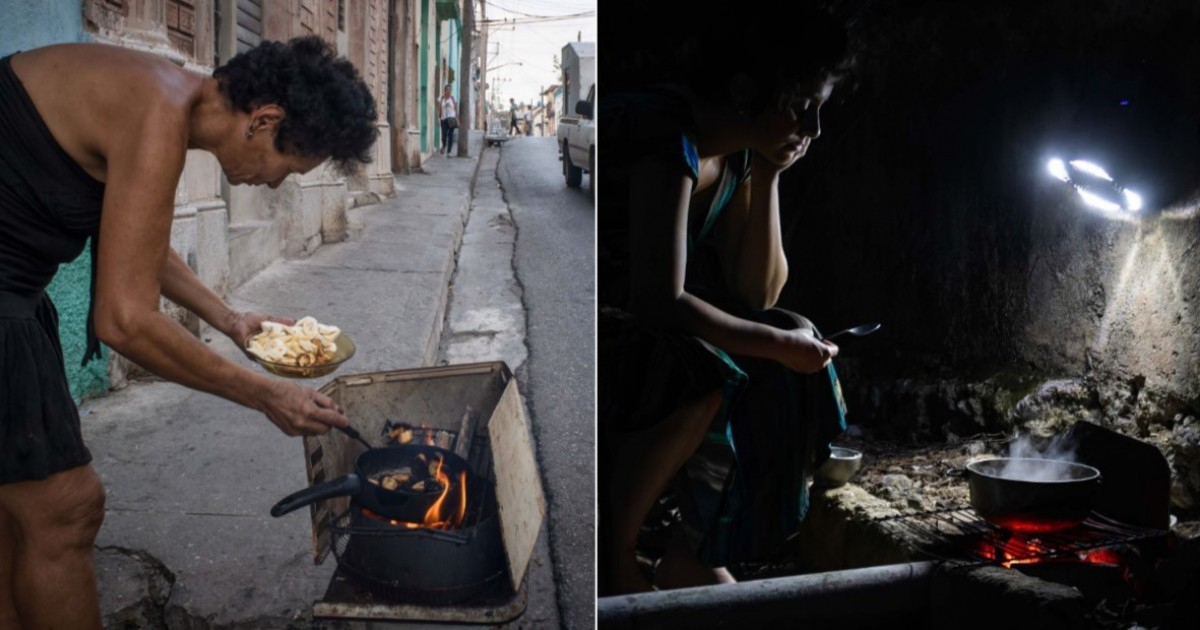
The United Nations World Food Program (WFP) has introduced three art competitions in Cuba centered on the themes of food security and nutrition. This effort comes at a critical time when nearly the entire Cuban population lacks sufficient access to food.
These competitions are open to Cubans of all ages and include the creative photography contest "Miradas que alimentan," a visual arts competition for adults, and the children's contest "WFP in Action," aimed at young participants.
Etienne Labande, the WFP representative in Cuba, emphasized the value of these initiatives, stating, "These activities allow people to express themselves on crucial topics through art, which serves as a dialogue channel that complements formal education and has a direct impact on communities."
However, the stark reality is that a recent survey found that in 2025, one in three Cuban households experienced at least one member going to bed hungry, marking an increase of 9.3 percentage points from 2024, according to the Food Monitor Program.
The same organization reported that 96.91% of Cubans do not have adequate access to food due to inflation and declining purchasing power, with a minimum wage of 2,100 Cuban pesos—about $4.8—deemed insufficient for basic nutrition by 94.65% of respondents.
Granma province has one of the worst food insecurity rates, with 78.9% of its population affected, more than double the national average.
Deaths attributed to malnutrition rose by 74% between 2022 and 2023, increasing from 43 to 75, as reported by the regime's own National Office of Statistics and Information.
Meanwhile, the Communist Party's official press in Granma has been promoting the consumption of wild seeds as a means to "strengthen food sovereignty," reflecting the regime's response to the food crisis.
Cuba's domestic production has plummeted across essential sectors: pork production fell by 93.2%, rice by 59% to 81%, eggs by 43%, and milk by 37.6%, according to official statistics.
During the 2021-2025 cycle, the WFP invested $57.9 million in projects in Cuba, and in 2024, the Cuban government made an unprecedented formal request for help from the organization to supply powdered milk for children under seven, highlighting the severity of the crisis.
Independent organizations accuse the UN of legitimizing the Cuban regime by publicizing cultural initiatives that mask systemic state failures. The Food Monitor Program found that 79.75% of respondents blame "poor government management" for hunger—a rise of 18 points from 2024—and the Cuban Observatory for Human Rights estimates that 89% of the population lives in extreme poverty, with seven out of ten Cubans skipping at least one daily meal.
Understanding Cuba's Food Crisis and UN Involvement
What are the UN art competitions in Cuba about?
The UN World Food Program has launched three art competitions in Cuba focused on food security and nutrition, involving creative photography, visual arts for adults, and a children's contest.
How severe is the food insecurity in Cuba?
A recent survey indicated that one in three Cuban households had at least one member go to bed hungry in 2025, with 96.91% of the population lacking adequate access to food.
What is the Cuban government's response to the food crisis?
The government has promoted the consumption of wild seeds to enhance food sovereignty, though independent organizations criticize these measures as insufficient.