An investigation by CNN, utilizing public aviation data, indicates a notable uptick in U.S. military intelligence flights near Cuba's shores, with at least 25 flights conducted by the Navy and Air Force since February 4, 2026. This surge is described as unprecedented in recent years by the news outlet.
The Aircraft and Their Proximity to Cuban Shores
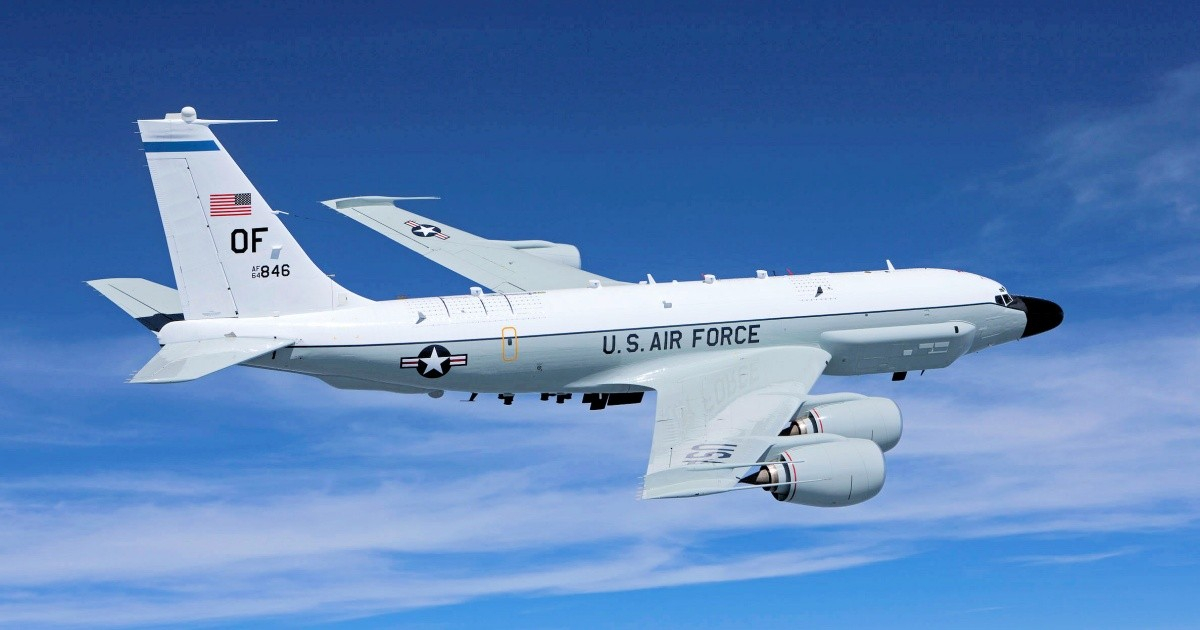
According to CNN, these reconnaissance missions largely focused on areas near Havana and Santiago de Cuba, with some flights operating within 40 miles of the coast, enabling intelligence gathering. The aircraft involved consist of the P-8A Poseidon maritime patrol plane, the RC-135V Rivet Joint specializing in signals intelligence, and the high-altitude MQ-4C Triton drone. These flights have been tracked using public platforms like Flightradar24 and ADS-B Exchange. Notably, the MQ-4C Triton drone, identified as BLKCAT5, completed its fourth documented flight around Cuba in 2026 just this past Wednesday.
Reasons Behind the Heightened Attention
CNN highlights three primary reasons for the scrutiny of these flights. Firstly, their close proximity to the Cuban coastline is significant. Secondly, their public visibility marks a departure from previous norms: "Prior to February, publicly visible flights of this nature were exceedingly rare in this region."
The third factor is the timing of these missions. Public statements from Trump regarding Cuba took on a harsher tone in the weeks leading up to the surge in flights. Trump expressed his desire to visit a "free Havana" before leaving office and subsequently ordered a petroleum embargo against the island.
Concerning Patterns: Venezuela and Iran as Precedents
CNN warns of a concerning pattern where increased surveillance flights coincide with heightened rhetoric from the Trump administration, preceding U.S. military operations in Venezuela and Iran. In Venezuela, surveillance flights began shortly after an initial U.S. attack on a narcotics-linked vessel and continued until the capture of Maduro. In Iran, extensive intelligence flights monitored the southern coast before joint attacks with Israel. The same aircraft observed near Cuba—the P-8A Poseidon, RC-135V Rivet Joint, and MQ-4C Triton—were active in these conflicts.
Is the U.S. Sending a Deliberate Signal?
CNN poses a critical question: given these aircraft can conceal their presence by deactivating location beacons, is the U.S. intentionally signaling its adversaries? "Whether or not this is a deliberate signal, the message is likely unsettling, to say the least, for Cuban officials," the outlet concludes. The Pentagon declined to comment on the findings.
Context of Escalating Tensions
This spike in surveillance occurs amid escalating tensions. Trump recently threatened to deploy the USS Abraham Lincoln carrier to "a couple of hundred yards" off Cuba's coast. Secretary of State Marco Rubio warned on April 27 that Cuba faces "two paths: neither good," accusing the regime of harboring Chinese and Russian intelligence.
The Trump administration has imposed over 240 sanctions against Cuba since January 2026, with U.S. military deployment in the Caribbean costing an estimated $3 billion, the largest since the 1962 Missile Crisis.
Responding on May 3, Díaz-Canel declared that "every Cuban has a rifle," asserting that no aggressor, regardless of power, would find surrender in Cuba.
Key Insights into U.S. Surveillance Flights Near Cuba
Why has there been an increase in U.S. surveillance flights near Cuba?
The increase in U.S. surveillance flights near Cuba is linked to heightened tensions and rhetoric from the Trump administration, which has adopted a more aggressive stance towards Cuba, including imposing sanctions and expressing intentions to visit a "free Havana."
What aircraft are involved in the surveillance near Cuba?
The aircraft involved in the surveillance missions include the P-8A Poseidon maritime patrol plane, the RC-135V Rivet Joint for signals intelligence, and the high-altitude MQ-4C Triton drone.
What are the potential implications of these flights?
These flights could be seen as a deliberate signal to the Cuban government and may indicate a strategic posture by the U.S. in the region. The presence of these aircraft is likely unsettling for Cuban officials and could exacerbate tensions.