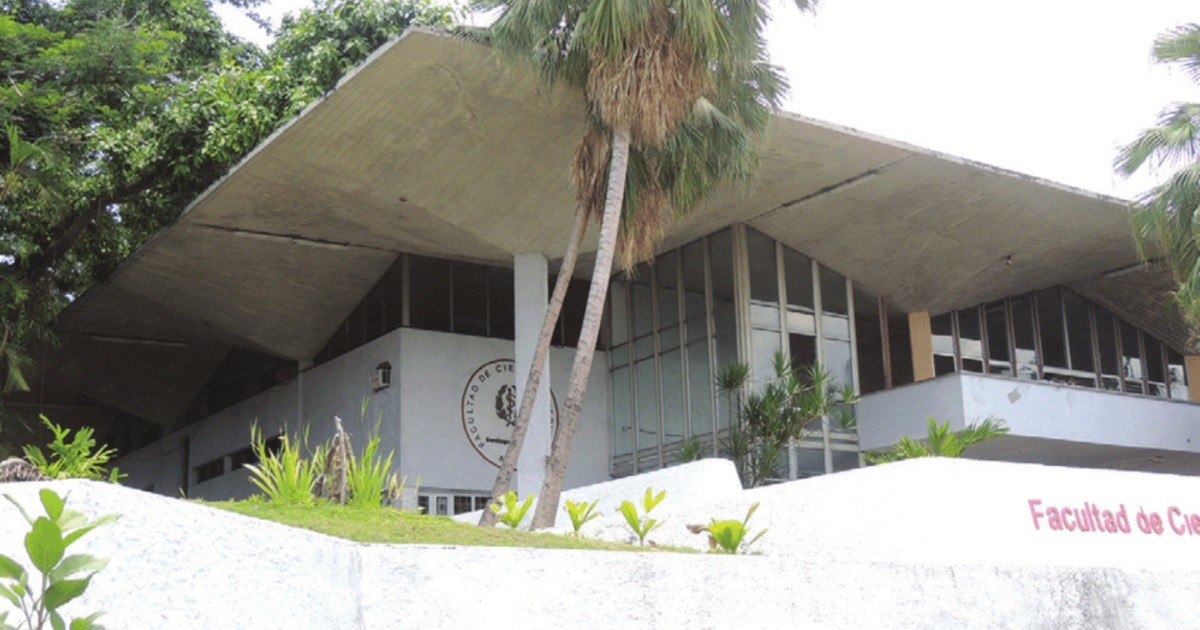
In Santiago de Cuba, sixth-year medical students on the brink of graduation have voiced their frustration as the government halts their hospital rotations from May 12 to 16, coercing them into a mandatory "Defense Preparation Week." Attendance is compulsory, and the activity will impact their academic grades.
This revelation came to light on Saturday, shared by independent journalist Yosmany Mayeta Labrada, who unveiled internal communications—allegedly from messaging groups—sent to the affected interns.
One such communication clearly states: "The health preparation course scheduled for May 12 to 16 is obligatory for all interns. Rotations are suspended during this week, but medical shifts continue. All interns must report on Tuesday, May 12, at 8:30 AM to the PPD department of Fac No2."
A second leaked message underscores the compulsory nature of the directive: "A concentrated Defense Preparation Week will be held; the date and location will be announced soon. This will interrupt the current rotation for a week, and attendance is mandatory, affecting the academic average."
The students, who are in their final clinical rotation before graduation, view each week of hospital practice as invaluable and irreplaceable.
Expressing widespread discontent, an anonymous source explained, "They're turning a week of medical training into political propaganda without the students' consent, who are most adversely affected."
This measure aligns with the official declaration of 2026 as the "Year of Defense Preparation," announced by the Ministry of the Revolutionary Armed Forces (MINFAR) in January in response to tensions with the Trump administration.
Under the leadership of Raúl Castro, the National Defense Council sanctioned plans for "transition to a State of War," establishing Saturdays as permanent civil military training days.
This gradual militarization has permeated higher education entirely.
On March 27, the "University Student Bastion Exercise" took place, where students nationwide practiced shooting AK rifles and assembling and disassembling anti-tank and anti-personnel mines. Shortly after, the regime's militaristic fervor extended to include children in their defense strategies.
The geopolitical backdrop is marked by Donald Trump's statements in Miami on March 28, claiming, "Sometimes military force is necessary, and Cuba is next," alongside the deployment of U.S. warships near Haiti in February, close to the Island. Cuban ambassador to the UN, Ernesto Soberón Guzmán, responded on April 24, asserting, "Cuba is ready to respond militarily."
The faculties of Medical Sciences have dedicated "Defense Preparation" (PPD) departments, indicating a longstanding institutional structure within Cuban medical universities since the 1975 agreement between MINFAR and the Ministry of Higher Education.
However, the current intensity is unprecedented in recent history.
Cuban diplomats have even been recorded participating in shooting drills as part of this widespread militarization campaign, which makes no distinction between civilians, officials, or students nearing the end of their professional training.
Frequently Asked Questions on Cuba's Militarization of Education
Why are medical students in Cuba being forced to undergo military training?
The Cuban government has declared 2026 as the "Year of Defense Preparation" in response to international tensions, mandating military training as part of educational programs to prepare students for potential conflict.
How does this military involvement affect the students' medical education?
The suspension of hospital rotations for military training interrupts critical medical education, potentially impacting students' readiness and proficiency as they approach graduation.
What has been the international response to Cuba's militarization of education?
International reactions have included geopolitical tensions, with the U.S. positioning military forces near the region and Cuban officials asserting their readiness to respond militarily.