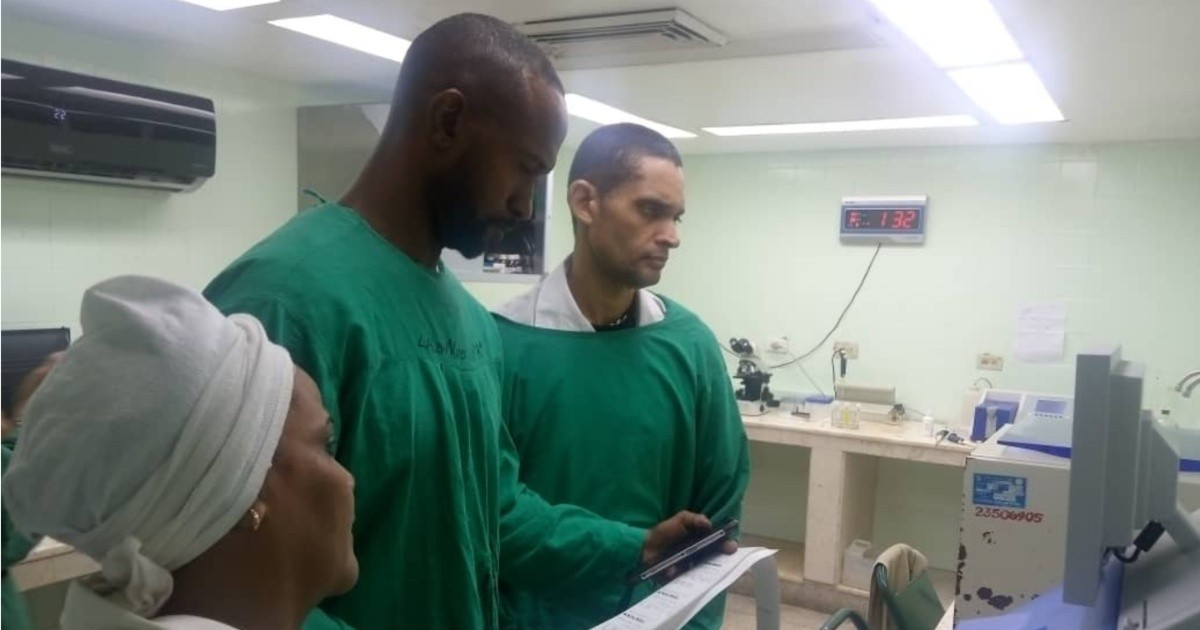
Approximately $17,000 in international funding has salvaged two essential blood gas analyzers in Santiago de Cuba that were on the verge of becoming unusable due to a lack of necessary supplies. This announcement was made on Friday by Mark Kuster, the founder of the Swiss NGO Camaquito, via a social media post.
These devices, originally procured through a partnership between Camaquito and the Embassy of Japan, are crucial for conducting rapid, life-saving diagnostics for newborns, patients in intensive care, individuals with severe respiratory issues, infections, and other medical emergencies.
Challenges in Medical Supply Chain
The core issue wasn't the functionality of the machines but rather the shortage of the consumable materials required for their operation. "Even perfectly functional equipment is rendered useless without the necessary consumables. This was precisely the threat we faced," Kuster elaborated.
The secured funding will ensure a year's supply of the needed materials for both devices, enabling essential diagnostic analyses for approximately 13,700 patients.
Kuster described the process as arduous and intricate: "After numerous discussions, clarifications, and hurdles, we succeeded: the funding is secured, and we've also received the necessary permits from the authorities in Santiago de Cuba to proceed with this vital support."
Healthcare System Struggles
This situation highlights a recurring paradox in Cuba's healthcare system, which teeters on the brink of collapse: modern equipment donated through international cooperation ends up stalled due to the regime's inability to provide basic supplies.
The beneficiaries of this initiative are the Juan Bruno Zayas Clinical Surgical Hospital and the Dr. Juan de la Cruz Martínez Maceira North Pediatric Hospital, both located in Santiago de Cuba. The Juan Bruno Zayas facility faced criticism in January 2026 for having sewage water flowing beneath patient beds, and the Saturnino Lora Hospital in the same city experienced a power outage in its ICU in April, necessitating the evacuation of 12 patients.
Cuba's healthcare crisis is deeply rooted. The Public Health Minister himself admitted before the National Assembly that infant mortality doubled from 2016 to 2025 and only 30% of essential medications were available. Cuban hospitals operate under war-like conditions with power outages lasting up to 20 hours daily and widespread shortages of supplies.
Humanitarian Efforts Amidst Crisis
Kuster, who also managed $50,000 to repair homes damaged by Hurricane Melissa in Santiago de Cuba, emphasized that his humanitarian work is separate from any political agenda: "This support is not a political act. It's an act of humanity. Health should never be contingent on political stances."
For over 25 years, Camaquito has been active in Cuba, raising over four million euros for health, education, culture, and social inclusion projects in Camagüey and Santiago de Cuba. The Director-General of the World Health Organization expressed deep concern in March over Cuba's healthcare situation, noting the impact of power outages and fuel shortages on hospitals.
"It's not just about technology or materials. It's about human lives. About children. About families. About hope," Kuster concluded.
Understanding the Healthcare Challenges in Cuba
What was the main issue with the medical equipment in Santiago de Cuba?
The primary issue was the lack of consumable materials necessary for the operation of the blood gas analyzers, despite the equipment itself being fully functional.
How does the funding help the healthcare system in Santiago de Cuba?
The funding provides a year's supply of essential materials for the analyzers, allowing for critical diagnostic testing for around 13,700 patients, thereby enhancing healthcare delivery.
What broader issues does this situation reveal about Cuba's healthcare system?
This situation underscores the systemic problems in Cuba's healthcare system, including shortages of basic supplies, power outages, and the government's inability to maintain essential medical equipment.