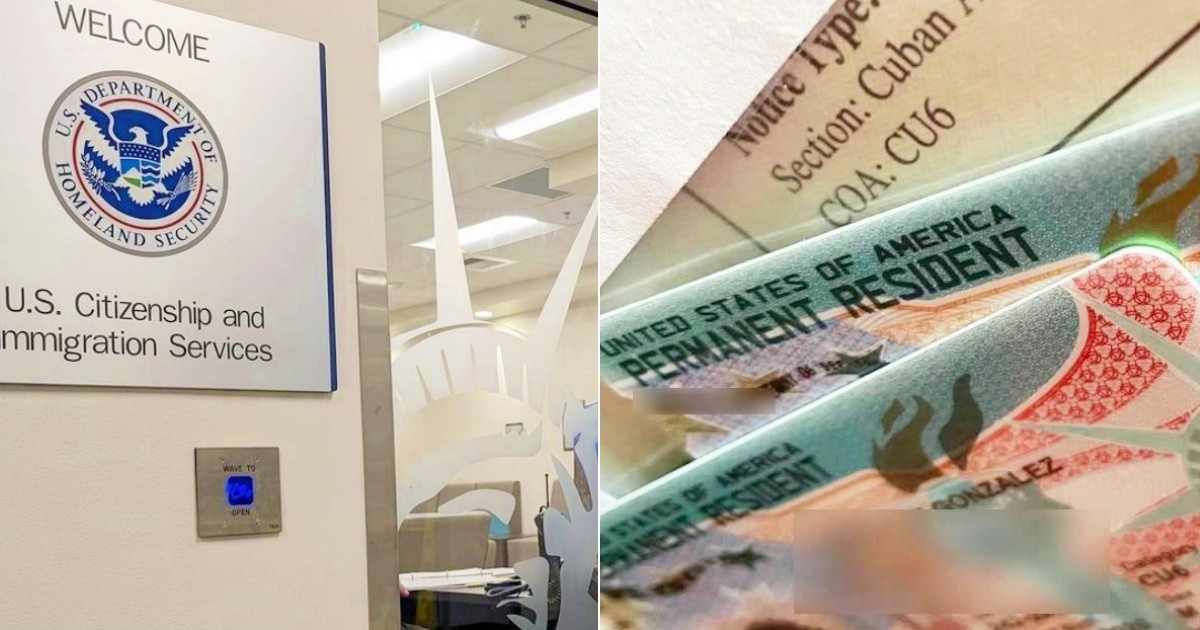
According to a report by Telemundo Atlanta, nearly 12 million applications at the United States Citizenship and Immigration Services (USCIS) are undergoing additional scrutiny due to enhanced immigration controls mandated by an executive order signed by Trump on February 6, 2026.
This directive tasks the Department of Homeland Security (DHS) with expanding access to the FBI's criminal record databases, including the next-generation identification system. On April 27, USCIS issued internal guidelines requiring the resubmission of fingerprints for all pending cases, instructing officials to "refrain from approving any pending case that has not undergone these expanded background checks."
The agency has acknowledged that these extra measures are affecting response times and interview scheduling. USCIS Director Joseph Edlow defended the tighter restrictions, stating they aim to ensure each case meets more rigorous standards. Spokesperson Zach Kahler described the delays as "temporary."
The delays are particularly severe for the most common categories among the Latino community. Renewing a permanent resident card now takes a minimum of 10.5 months. An I-130 petition for a U.S. citizen's spouse faces a 62-month wait. For DACA recipients' work permits, the system no longer provides an estimated wait time.
Impact on Various Immigration Categories
Among the hardest hit categories are asylum applications, permanent residency, citizenship, work permits, status adjustments, and humanitarian visas. The system was already in crisis before these measures, with USCIS facing 11.6 million pending cases at the end of fiscal year 2025, over three times the backlog from a decade ago.
In the fourth quarter of 2025, case resolutions dropped by 22% from the previous year, and the number of applications received but not opened tripled in just one quarter, surging from 60,000 to 248,000 cases.
Countries Facing Specific Restrictions
Adding to the situation is an active list of 39 countries whose immigration benefit adjudications have been paused since November 2025. Countries such as Cuba, Venezuela, and Nicaragua are included, directly impacting Cubans with pending U.S. applications.
This isn't the first time the Cuban community has faced restrictions. In February 2025, the Trump administration halted processing for humanitarian parole beneficiaries from Cuba, Haiti, Nicaragua, and Venezuela, affecting over 530,000 migrants, including about 111,000 Cubans.
Legal Implications and Recommendations
Vanessa Manzi, an immigration attorney based in Los Angeles, warned of long-term consequences: "USCIS is referring many cases to court. We are going to witness a significant number of people entering judicial processes, leading to new court delays that could last for years."
Manzi advises immigrants to consult a lawyer if they receive an interview notice, especially those who filed their applications without legal representation. She also cautions that missing an interview could result in the denial of the case and the initiation of deportation proceedings for Cuban migrants.
Applications that have already been dismissed will not be re-evaluated and will remain permanently denied. Immigrants can check the status of their application and updated processing times on the official USCIS website, which is available in Spanish.
Understanding USCIS Processing Delays and Their Effects
What are the new requirements for USCIS applications?
USCIS now requires additional background checks, including resubmission of fingerprints for all pending cases, to ensure compliance with stricter standards.
How long are current processing delays for USCIS applications?
Processing times have significantly increased, with the renewal of permanent resident cards taking at least 10.5 months and I-130 petitions facing a 62-month wait.
Which countries are affected by paused immigration benefits?
Immigration benefits have been paused for 39 countries, including Cuba, Venezuela, and Nicaragua, impacting those with pending applications in the U.S.
What should immigrants do if they receive a USCIS interview notice?
Immigrants are advised to consult with an attorney if they receive an interview notice, especially if they applied without legal representation, to avoid potential denials or deportation proceedings.