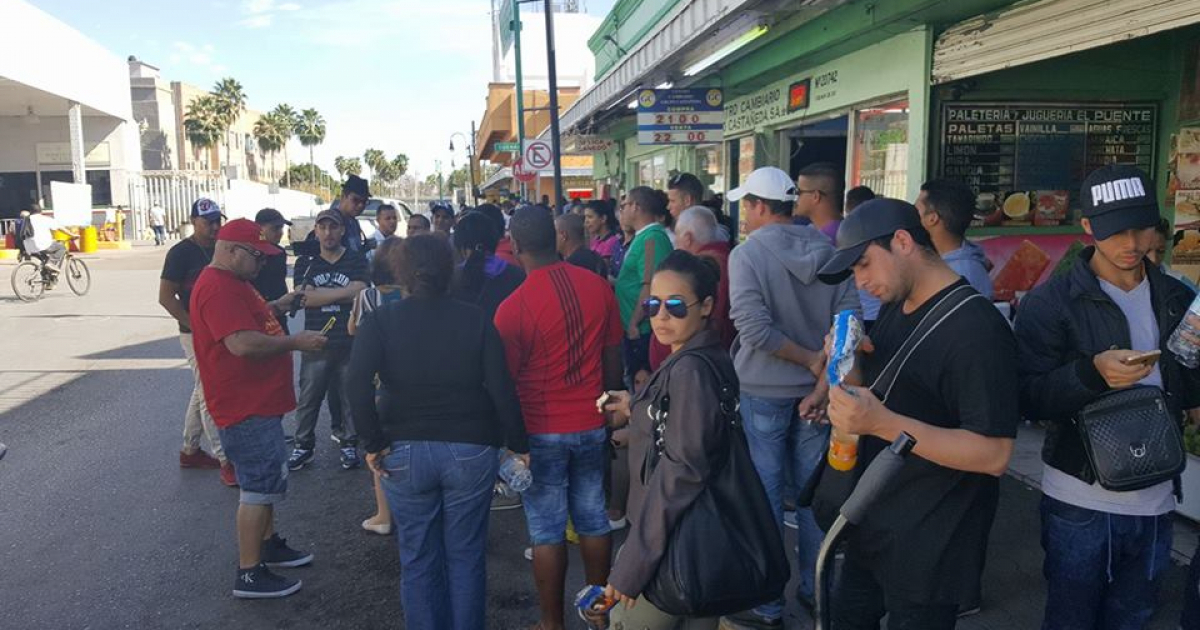
Over 10,000 Cuban migrants remain stranded in Tapachula, lacking any support from their government. This was highlighted by Yamil Melgar Bravo, the city's mayor, who disclosed to Diario del Sur that efforts to contact the Cuban Embassy in Mexico have gone unanswered.
During the International Strategic Dialogue on Coexistence and Mobility held in Tapachula, Melgar Bravo pointed out the absence of a Cuban consulate in the city and the lack of direct communication with the island's diplomatic representatives. Despite the growing number of Cuban migrants in the area, no action has been taken.
Increasing Numbers and Strain in Tapachula
Reports from authorities indicate a significant increase in the number of Cuban migrants in Tapachula in recent months. This surge is partly due to deportations from the United States, adding pressure to the city.
The mayor contrasted Cuba's inaction with the proactive stance of other countries, such as Guatemala, Honduras, El Salvador, and Haiti, all of which maintain active consular presence and support their migrants in Tapachula. Cuba, however, remains silent.
Consequences of the Cuban Regime's Inaction
The crisis has worsened since February 2026, when two to three weekly flights began deporting Cubans from the United States directly to Chiapas, a result of stricter immigration policies under the Trump administration.
Many of these deported individuals had lived in the U.S. for decades and now find themselves in a precarious situation: unable to return to Cuba, lacking legal status in Mexico, and barred from re-entering the United States.
Legal Challenges and Limited Options for Cuban Migrants
In March, Boston federal judge William G. Young questioned the legality of an "unwritten agreement" that led to the deportation of approximately 6,000 Cubans to Mexico by the Department of Homeland Security. Despite this, flights continue, and the situation for those stranded remains dire.
Cuban migrants in Tapachula have two official avenues: applying for asylum with the Mexican Commission for Refugee Assistance or legalizing their status through the National Institute of Migration. However, both entities are overwhelmed, with processes taking over a year.
Out of nearly 150,000 requests filed between October 2024 and June 2025, less than 3% received effective protection, highlighting the institutional breakdown.
Mounting Tensions and Protests
In April, municipal officials in Tapachula clashed with Cuban migrants, underscoring the escalating tensions in a city estimated by activists to host up to 60,000 stranded migrants.
Earlier, in March, around 500 migrants marched in Tapachula to protest the sluggish bureaucracy that leaves them trapped without a clear future.
The plight of Cubans deported to Mexico after living in the U.S. for decades exemplifies the systemic neglect by the Cuban regime: individuals who fled the dictatorship, built new lives abroad, and now find themselves with nowhere to go while Havana remains silent.
Melgar Bravo warned, "Many migrants, frustrated by the slow processes, choose to abandon the procedures and continue their journey undocumented in caravans, placing themselves in a highly vulnerable situation," summarizing the fate awaiting thousands of Cubans that the regime prefers to ignore.
Cuban Migration Crisis: Key Questions Answered
Why are Cuban migrants stranded in Tapachula?
Cuban migrants are stranded in Tapachula due to the lack of response and support from the Cuban government, compounded by strict U.S. immigration policies leading to deportations.
What options do Cuban migrants have in Mexico?
Cuban migrants can apply for asylum with the Mexican Commission for Refugee Assistance or seek to regularize their status through the National Institute of Migration, although both options face significant delays.
How has the Cuban government responded to the crisis?
The Cuban government has remained largely silent, failing to establish consular support or engage with the growing number of stranded migrants in Tapachula.