The Cuban Conflict Observatory (OCC) recorded 1,133 instances of protests, complaints, and expressions of dissatisfaction across Cuba during April 2026. This period was notably characterized by heightened state repression, an escalating energy crisis, and rapidly deteriorating living conditions on the island.
Although the figure reflects a 4.4% decrease compared to the 1,245 protests documented in March, it represents a significant 29.5% increase over the 799 protests reported in April 2025, highlighting a persistent rise in public discontent against the authoritarian regime.
Rolando Cartaya, a journalist and researcher with the OCC, described the month as one of extreme control: "April was a month where a virtual curfew was in place... with patrols and heightened repression amid tensions with the United States, as the government attempted to coerce all Cubans."
Despite this atmosphere of intimidation, Cartaya emphasized that dissatisfaction did not wane: "Nonetheless, there were 1,133 protests, and 305 of them directly challenged the police state."
Visible Expressions of Discontent
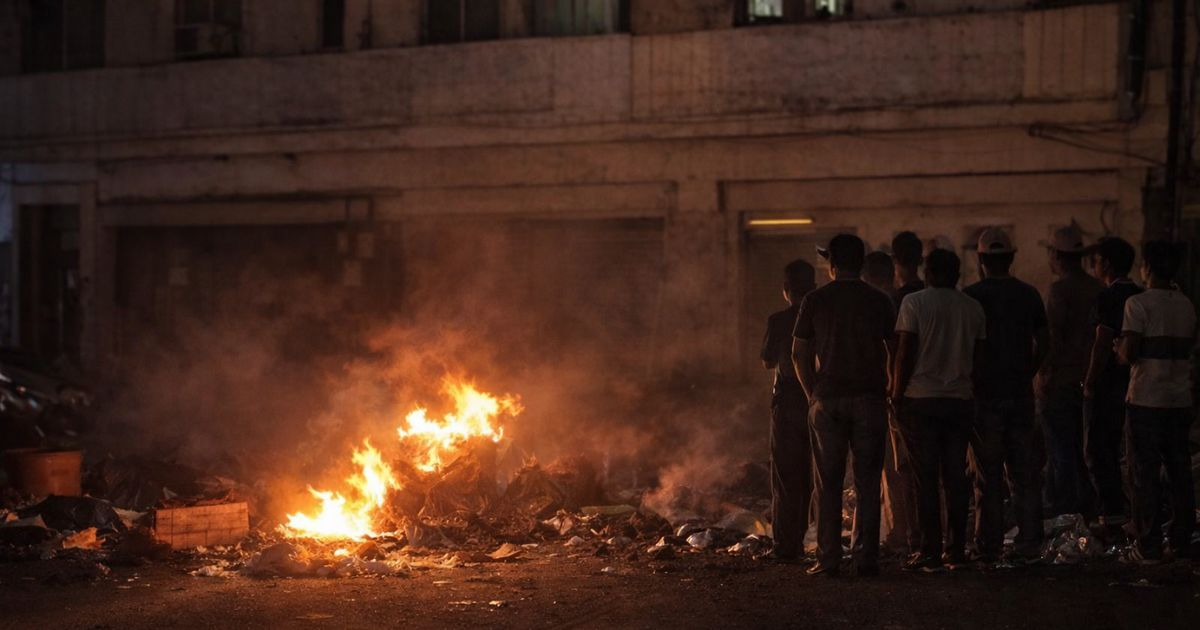
Among the most noticeable demonstrations were at least 14 in-person protests, primarily driven by shortages of electricity and water. A particularly striking protest involved Javier Ernesto Martín Gutiérrez, the Cuban mixed martial arts champion known as the "Cuban Spider-Man," who vocally condemned the regime's abuses from his home balcony in Marianao for eight days. He was violently arrested on April 24 and taken to Villa Marista, where he faced new charges for inciting public unrest.
Rising Concerns Over Public Safety
A troubling aspect of the report is the surge in the public safety category, rising from fifth to second place with 185 reports, compared to just 85 in March. "This increase in reports of public safety issues is deeply concerning," Cartaya noted.
At least 41 individuals lost their lives in April due to various forms of violence, including criminal, social, gender-based, and domestic violence, compared to 27 in March. Additionally, there were 21 reported assaults, a threefold increase from the seven incidents in the previous month.
Intensified Government Repression
State repression also escalated significantly, with the OCC documenting 176 repressive acts in April, up from 159 in March. These acts included arbitrary detentions, interrogations, revocation of conditional freedoms, selective phone and internet blackouts, and direct threats against activists, dissidents, and journalists.
The report highlights the #MiFirmaPorLaPatria campaign, through which the regime pressured citizens to sign loyalty pledges under threat of professional or academic repercussions. In a viral video, an unidentified Cuban publicly refused to sign: "I won't sign for one reason. The Cuban government right now doesn’t care about this beautiful people," he declared to his Committee of Defense of the Revolution's president, pointing to a garbage heap: "It's no longer a revolution because they are all thieves."
Food Crisis Intensifies
With 130 complaints, the food situation is dire. The Food Monitor Program found that 96.91% of Cubans lost access to food due to inflation, and one in four goes to bed without dinner. Cartaya described scenes illustrating the crisis: "Men eating from garbage, children knocking on doors for food, and elderly people going up to three days without eating."
The April report fits into a pattern of increasing unrest that began in January 2026 with 953 protests, reaching its peak in March when Cubalex recorded the highest monthly protest count since the 11J protests in 2021, with demands for regime change such as "Freedom" and "Down with Communism."
Cartaya concluded by stating, "Cubans openly express their hope for the Trump administration to fulfill its promise of changing the regime that has plunged them into this humanitarian crisis."
FAQs on Cuba's April 2026 Protests
What was the main cause of protests in Cuba during April 2026?
The protests were primarily driven by a combination of state repression, an energy crisis, and worsening living conditions on the island.
How did state repression manifest during this period?
State repression included arbitrary detentions, interrogations, revocation of conditional freedoms, selective phone and internet blackouts, and threats against activists and journalists.
Who is Javier Ernesto Martín Gutiérrez?
Javier Ernesto Martín Gutiérrez is a Cuban mixed martial arts champion known as the "Cuban Spider-Man," who protested against the regime's abuses and was subsequently arrested.