Exiled Cuban journalist Luz Escobar offers a compelling analysis in Spain's El Mundo on Sunday regarding Cuba's tense situation, the aircraft carrier, and pressure from Donald Trump. She suggests that the real issue isn't whether the American president is exaggerating, but rather that his statements are dismissed as mere spectacle instead of warnings. Cubans, she notes, endure "the anguish of existing in a perpetual waiting room where time seems to have frozen."
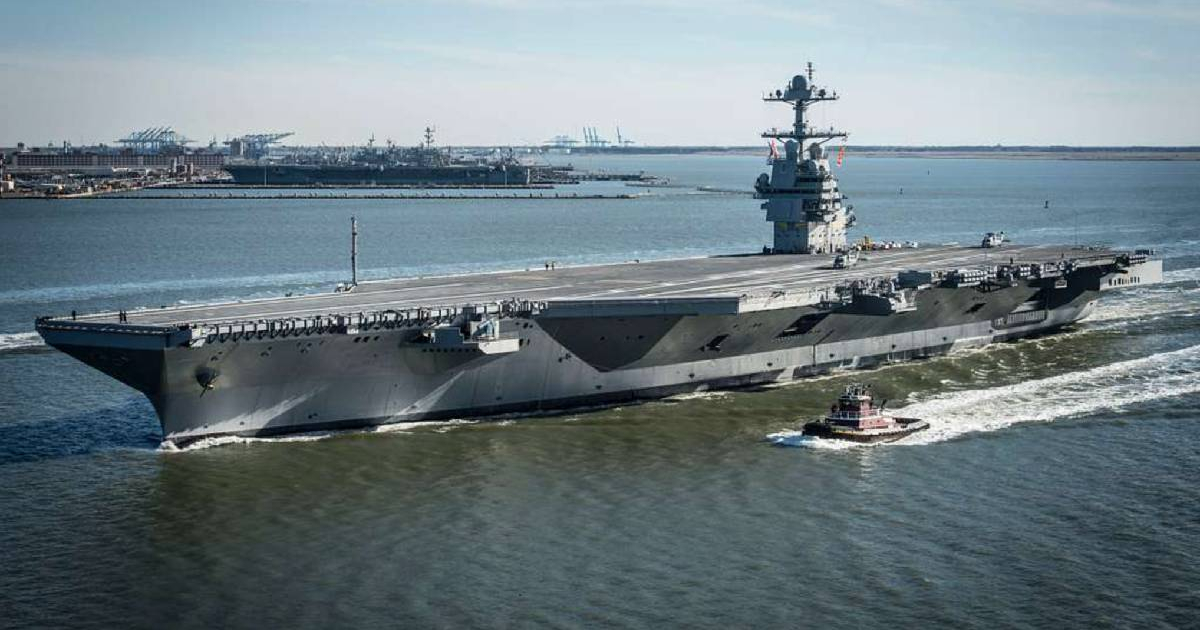
The article begins with Trump's remarks at a private dinner at the Forum Club in West Palm Beach over the weekend. He stated that the USS Abraham Lincoln, returning from Iran, would pause "about 100 yards off the Cuban coast" until it heard a "thank you, we surrender." This warning, coupled with recent actions by the U.S. administration, has escalated Washington's pressure on Havana to unprecedented levels.
Escobar points out that the habitual response to Trump's declarations has been a dismissive "he's exaggerating, he's bluffing, nothing will happen." However, she warns that such fatigue is a trap. "The real danger of the boy who cried wolf isn't just deceit but that when truth is spoken, no one believes it," she writes.
The Escalating Impact of Sanctions
This time, the journalist argues, the circumstances have shifted. The image of the aircraft carrier follows the Trump administration's imposition of over 240 sanctions on the regime since January 2025, the interception of at least seven oil tankers, and a drastic reduction in Cuban energy imports by 80% to 90%.
The consequences on the ground are severe: widespread blackouts lasting over 20 hours daily, a projected GDP drop of 7.2% for 2026, and a massive exodus leaving the nation depleted. "It's no longer possible to view this as an isolated threat," Escobar asserts.
Repression and the Regime's Response
While external pressure mounts, the regime clings to its oldest reflex: repression. Cuban MMA champion Spiderman was detained at Villa Marista on April 24 after peaceful protests from his balcony. Meanwhile, 16-year-old Jonathan David Muir, arrested during protests in Morón, Ciego de Ávila, pleaded with his parents from jail: "Dad, please get me out of here, I can't take it anymore," Escobar recounts.
The official response followed a predictable script. President Miguel Díaz-Canel responded to Trump on social media, labeling the situation "dangerously unprecedented" and asserting that "no aggressor will find surrender." Foreign Minister Bruno Rodríguez Parrilla stated that Cuba "will not be intimidated." Escobar challenges this rhetoric: "What sovereignty does a system defend that cannot ensure electricity, food, or freedom for its citizens?"
Drawing Parallels and Cultural Reflections
Escobar draws parallels with Venezuela, where what initially seemed "mere noise" evolved into a cumulative process that led to the end of Nicolás Maduro's presidency, with his capture by U.S. military forces on January 3, 2026. Underestimating a process because its initial forms seem exaggerated, she warns, could be a critical mistake.
The analysis also reflects on the historical and cultural dimensions of the issue through the song "Nuestro día (Ya viene llegando)" by Willy Chirino, an anthem for Cuban exiles since 1991. Chirino responded in March when the phrase appeared on a Havana wall during blackout protests. The ongoing repetition of "this time for sure" messages that never materialize has "embedded a corrosive anxiety in Cubans," Escobar observes.
"Perhaps the wolf isn't lurking 100 yards off the coast. But in Cuba, the ground is different this time, and those on the island are too weary to distinguish between a howl and reality," concludes the journalist, a winner of the International Journalism Award by EL MUNDO.
The Current Crisis in Cuba
What recent actions has the Trump administration taken against Cuba?
The Trump administration has imposed more than 240 sanctions against the Cuban regime since January 2025, intercepted at least seven oil tankers, and significantly reduced Cuban energy imports by 80% to 90%.
How has the Cuban government responded to the increased pressure from the United States?
The Cuban government has responded by maintaining a stance of defiance, with President Miguel Díaz-Canel and Foreign Minister Bruno Rodríguez Parrilla asserting that Cuba will not surrender or be intimidated by U.S. actions.
What are the effects of the U.S. pressure on the Cuban population?
The U.S. pressure has resulted in severe consequences for the Cuban population, including prolonged blackouts, a significant projected economic downturn, and a mass exodus from the country.