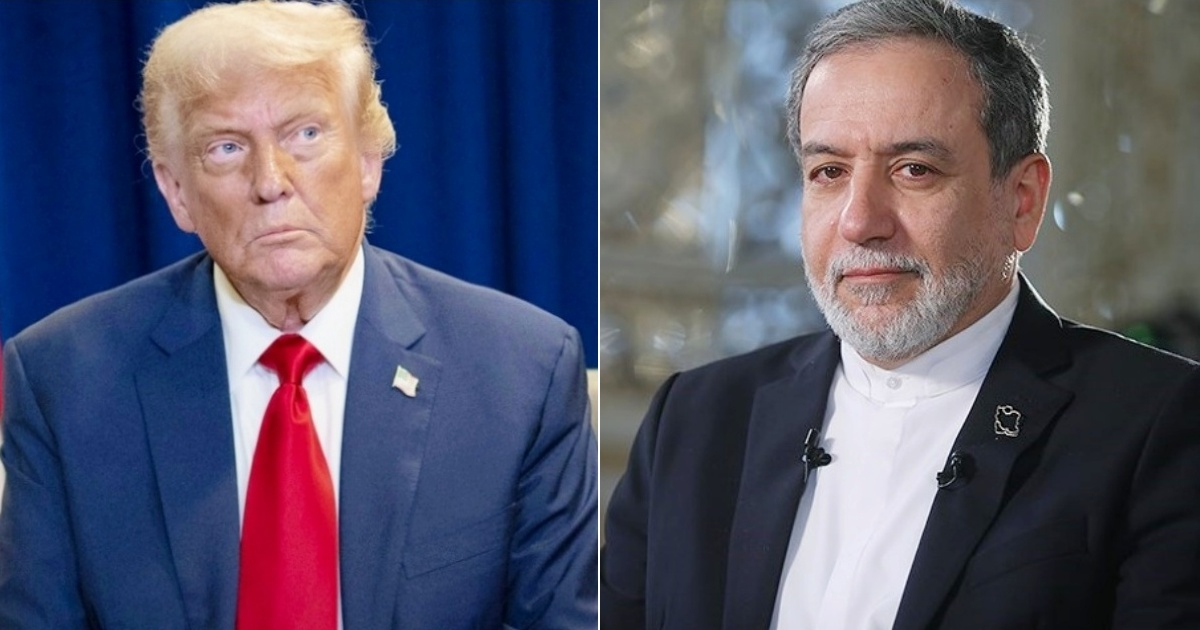
This Sunday, Iran has put forward a 14-point peace proposal, organized into three phases, to the United States via Pakistani intermediaries. The plan aims to convert the current fragile ceasefire into a permanent resolution to the conflict within a 30-day timeframe.
As a counteroffer to the nine-point document earlier proposed by Washington, the Iranian plan was reported by the semi-official Nour News, which maintains close ties with the country's security agencies. Tehran dismisses the American suggestion of extending the ceasefire for two months, instead demanding the resolution of all outstanding issues within a month.
Sources cited by Al Jazeera indicate that the initial phase involves the gradual reopening of the Strait of Hormuz and the lifting of the U.S. naval blockade on Iranian ports. Iran would take responsibility for clearing the sea mines it laid during the conflict.
Non-Aggression Promises and Nuclear Talks
The second phase includes commitments to non-aggression—also involving Israel—to ensure that hostilities do not resume, aiming to end conflicts across the Middle East, including in Lebanon.
In the third phase, negotiations regarding Iran's nuclear program are planned, which Tehran insists should be delayed until the previous stages are stabilized, directly challenging the U.S. demand for "zero enrichment" as a core condition.
The proposal further calls for the withdrawal of U.S. forces from the region, lifting sanctions, unfreezing Iranian assets, and offering war reparations.
U.S. Response and Diplomatic Channels
Donald Trump confirmed on Saturday that he is considering the proposal. "I will soon be reviewing the plan Iran just sent us," the President stated, though he expressed skepticism about reaching an agreement. Previously, he had cautioned, "They want to make a deal, but I'm not happy with it."
Analysts and officials described Washington's predicament as a choice between an "impossible" military strike or a "bad deal," as summarized by Al Jazeera this Sunday.
Alongside the plan's presentation, Iranian Foreign Minister Abbas Araghchi communicated with his Omani counterpart Badr al-Busaidi, who had overseen previous rounds of negotiations between Washington and Tehran before the conflict erupted, indicating that alternative diplomatic channels remain open.
Background of the Ongoing Conflict
This conflict began on February 28, 2026, with Operation Epic Fury, a joint U.S.-Israel offensive that destroyed Iranian nuclear facilities and eliminated Supreme Leader Ali Khamenei. In retaliation, Iran closed the Strait of Hormuz on March 4, utilizing mines, drones, and missiles, causing Brent crude prices to skyrocket from $67 to over $126 per barrel.
Negotiations in Islamabad collapsed on April 12 after 21 hours without an agreement, prompting the U.S. to implement a selective naval blockade against Iranian vessels starting April 13. A three-week fragile ceasefire seems to be holding, with no exchange of fire since April 7.
Iran had previously tabled a ten-point proposal in April as a negotiation base, and this new 14-point plan is a more detailed and structured version of its terms. The conflict has cost the Pentagon $25 billion as of April 30, according to available data, while the United Nations has called for reopening the Strait of Hormuz to prevent a global humanitarian crisis.
Key Questions on Iran's Peace Proposal
What are the main points of Iran's peace proposal?
The proposal includes reopening the Strait of Hormuz, non-aggression commitments, and nuclear program negotiations, alongside demands for U.S. withdrawal and lifting sanctions.
How has the U.S. responded to Iran's peace plan?
President Donald Trump expressed skepticism about the proposal but confirmed that he would review it, highlighting the challenge of choosing between military action and a potentially unsatisfactory deal.