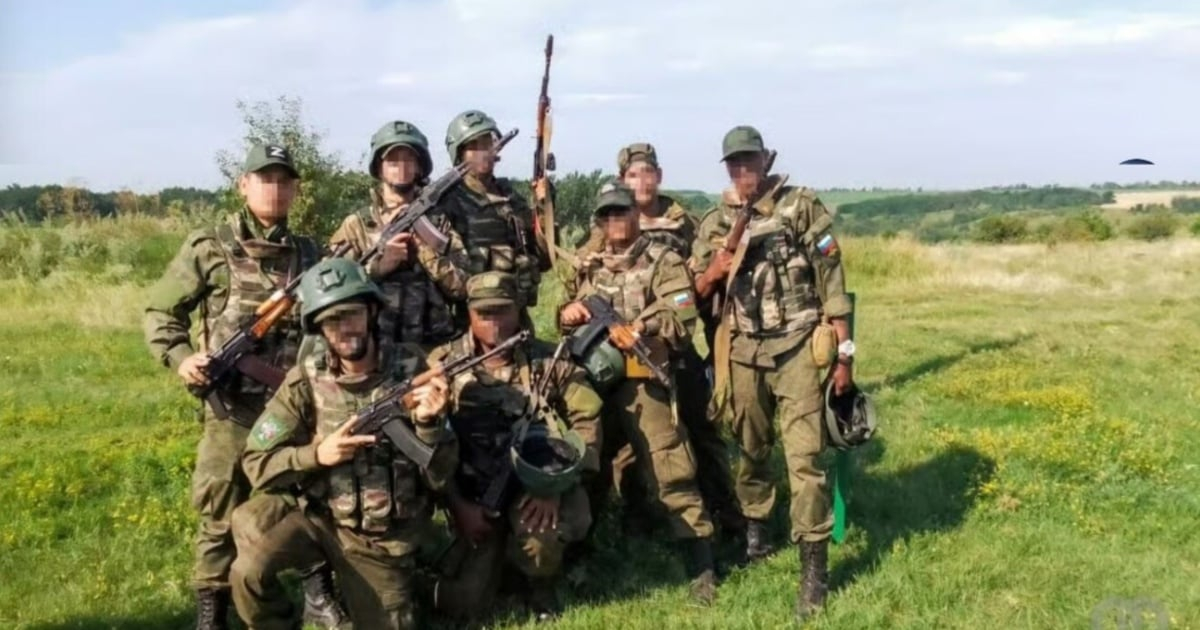
A report released by the International Federation for Human Rights (FIDH), Truth Hounds, and the Kazakhstan International Bureau for Human Rights highlights that Cuba and Colombia top the list for Russian recruitment efforts in Latin America. Since 2023, at least 20,000 Cuban citizens have been deployed to fight in Ukraine.
The document, entitled "Fighters, Mercenaries, or Victims of Human Trafficking?" and referenced by Bloomberg, asserts that the Russian recruitment system meets the Palermo Protocol's criteria for human trafficking, using deceit, coercion, and exploitation in warfare.
Ukrainian military intelligence, as cited in the report, indicates that recruited Cubans constitute "one of the largest foreign contingents within the Russian army," with recruitment peaking between July and September 2023.
Economic Desperation as a Recruitment Tool
The severe economic crisis in Cuba—characterized by monthly wages ranging from 15 to 30 euros, power outages lasting up to 25-30 hours a day, and widespread shortages—renders Russian offers particularly compelling.
"With an average monthly salary in Cuba barely reaching 30 euros, or even 15 euros in some estimates, the prospect of 'easy work in friendly Russia' with a monthly salary of 1,700-2,000 euros seems life-changing," the report emphasizes.
Recruitment operates through Spanish-language advertisements on social media platforms like Facebook, promoting civilian jobs such as construction workers, warehouse staff, or security guards.
The Recruitment Process and Outcomes
Candidates are recruited by Cuban intermediaries and transported to Russia, where they sign military contracts written entirely in Russian, without understanding the content.
A Cuban prisoner of war interviewed by Truth Hounds, who wished to remain anonymous, candidly explained his motivation: "Well, first of all, just to leave Cuba; that's what every Cuban wants, you know, to leave Cuba. In Cuba, money and life are [expletive]. There are millions of Cubans on the front lines, and I've seen them, and it's not for nothing."
The average survival time after deployment is a mere 150 days, with the Ukrainian project I Want to Live confirming 93 Cuban deaths by January 2026.
State Denial and International Reactions
The Cuban government officially denies involvement, though numerous reports suggest state complicity or active tolerance. The U.S. State Department hinted at Cuban government facilitation in a report from April 2026.
In Colombia, the presence of combatants within Russian ranks was confirmed by Ukrainian Defense Intelligence in October 2025.
An investigation by El Espectador, cited in the report, revealed that two retired National Army colonels oversee the company Global Qowa Al Basheria SAS, recruiting former Colombian military personnel with monthly salaries between 2,200 and 2,500 euros and an initial payout of around 17,000 euros.
"Several families identified a supposed former military officer as the initial contact, offering security jobs that eventually led to transfers to Russia for military incorporation," the document details.
Additionally, an intercepted audio recording published at the end of 2025 captured individuals identified as Colombian combatants allegedly ordering the execution of civilians.
In Brazil and Argentina, the report notes isolated incidents rather than systematic patterns, such as a Brazilian citizen recruited via LinkedIn under a seemingly tech-related offer, which turned out to be a military contract.
The European Parliament condemned the recruitment of Cubans for the Russian invasion in July 2025, and Russia reaffirmed its military alliance with the Cuban regime in October of the same year.
According to Ukrainian intelligence cited in the report, Russia plans to recruit an additional 18,500 foreign fighters by the end of 2026, indicating a likely escalation of the issue highlighted by human rights organizations.
FAQs on Russian Recruitment in Latin America
What is the main reason for Cubans joining Russian forces?
Economic hardship in Cuba, including extremely low wages and widespread shortages, makes Russian offers appear attractive and transformative.
How are Cuban recruits transported to Russia?
Cuban recruits are typically taken to Russia by intermediaries and sign military contracts in Russian, often without understanding the terms.
How has the international community reacted to the recruitment of Cubans?
The European Parliament condemned the recruitment in 2025, and reports suggest various levels of state complicity or tolerance in Cuba.