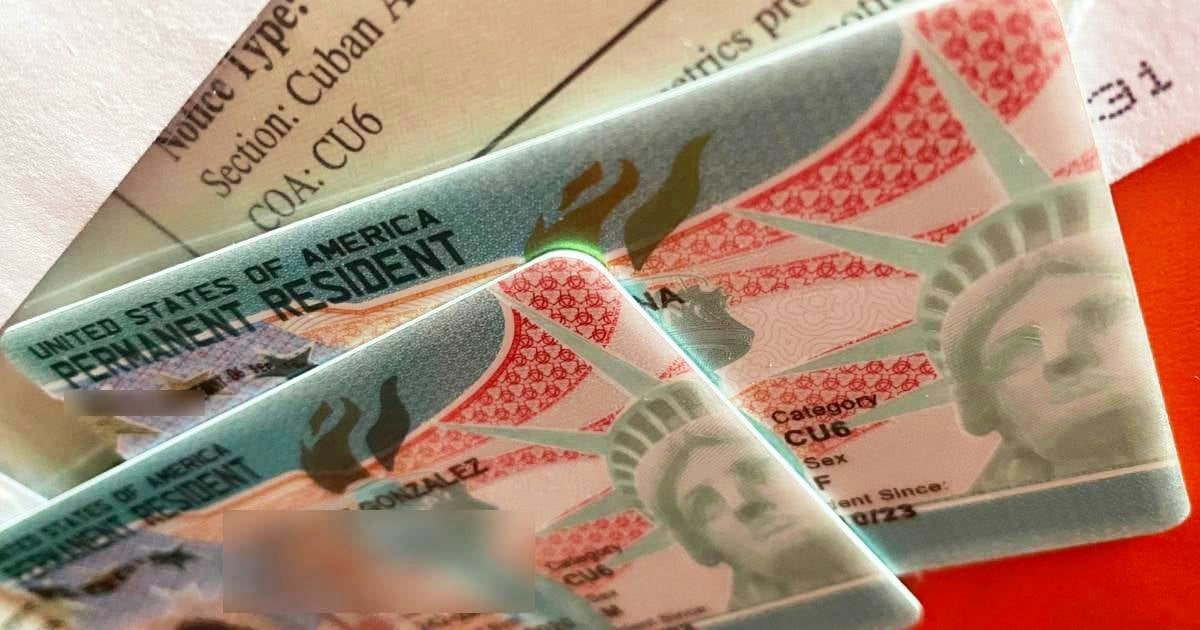
The Trump administration has introduced new internal guidelines that allow for the denial of permanent residency to immigrants based on political opinions deemed "anti-American" or "antisemitic," even if no laws have been broken. This information comes from internal training materials from the Department of Homeland Security obtained by The New York Times.
Issued to U.S. Citizenship and Immigration Services (USCIS) officers in March, these documents outline the implementation of a directive from August 2025 aimed at disqualifying residency applicants based on their ideological beliefs.
Interpreting "Overwhelmingly Negative" Conduct
Activities that officials are instructed to view as "overwhelmingly negative" include participating in pro-Palestinian protests on college campuses, posting criticisms of Israel on social media, and burning the American flag.
Specific examples of disqualifying posts mentioned in the documents include messages like "Stop Israeli Terror in Palestine" with a crossed-out Israeli flag, maps of Israel labeled as "Palestine," and suggestions that Israelis should "experience what people in Gaza are experiencing."
All cases involving "potentially anti-American and/or antisemitic conduct or ideologies" must be escalated to USCIS supervisors and the general counsel's office for review.
Official Responses and Criticism
Joseph Edlow, the director of USCIS, testified before Congress in February, stating, "There is no room in America for foreigners who promote anti-American ideologies or support terrorist organizations."
White House spokeswoman Abigail Jackson argued that the policies are unrelated to freedom of speech and are intended to protect "American institutions, citizen safety, national security, and U.S. liberties."
Critics strongly oppose this rationale. Amanda Baran, a former senior USCIS official under President Biden, contended that making residency decisions based on "ideological reviews is fundamentally anti-American and should not occur in a country founded on the promise of free expression."
President of the New York Immigration Coalition, Murad Awawdeh, cautioned that Trump is "taking a dangerous step toward punishing immigrants for publicly expressing their beliefs," and that the new policy "effectively censors individuals and sets a dangerous precedent that threatens the rights of all Americans."
Impact on Cuban Immigrants and Broader Changes
The new guidelines are part of a broader transformation of USCIS. Green card approvals have plummeted by over half in recent months, according to a Times analysis of agency data.
The effect on Cuban immigrants is particularly harsh: approved residencies for Cubans dropped by nearly 99%, from over 10,000 monthly approvals up to October 2024 to just 15 in January 2026, according to the Cato Institute.
Additionally, this month, the Trump administration ordered a halt on all immigration processes—including green cards, naturalization, DACA, TPS, and asylum—pending FBI reviews that scrutinize social media for "anti-American" views.
The Department of Homeland Security has also proposed reviewing the social media histories of tourists wanting to visit the U.S., while Immigration and Customs Enforcement (ICE) plans to invest $5.7 million in an AI system to monitor posts, images, and geolocations of immigrants.
Furthermore, the agency has rebranded its adjudicators as "homeland defenders" in job postings, under the motto: "Protect your homeland and defend your culture."
Frequently Asked Questions on U.S. Immigration Policy Changes
What are the new guidelines for denying green cards?
The new guidelines allow for the denial of permanent residency to immigrants based on "anti-American" or "antisemitic" political opinions, even if no laws have been breached.
How has the Trump administration's policy affected Cuban immigrants?
The policy has had a severe impact on Cuban immigrants, with approved residencies dropping by nearly 99% from over 10,000 monthly approvals to just 15 by January 2026.
What is the role of social media in the new immigration policies?
Social media activity is scrutinized for "anti-American" views, and the Department of Homeland Security has proposed reviewing the social media histories of tourists wishing to visit the U.S.