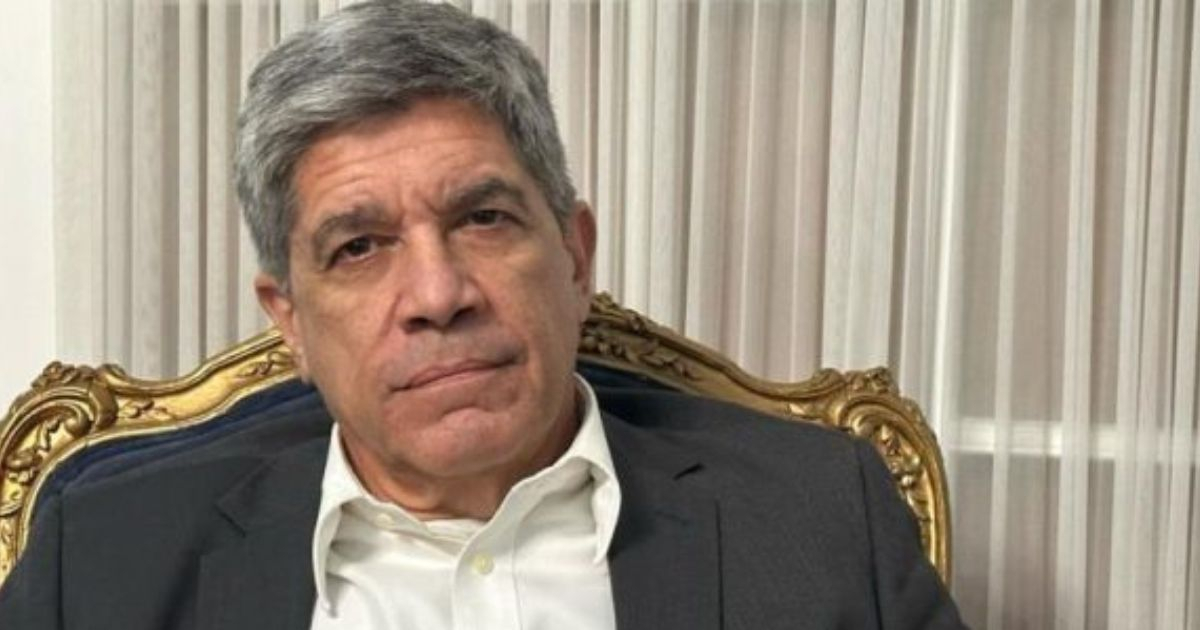
Carlos R. Fernández de Cossío, the Deputy Minister of Cuba's Ministry of Foreign Affairs, recently took to Facebook to directly accuse the United States government of being at fault for the absence of compensation to former American owners following the expropriations in Cuba during the 1960s.
Fernández de Cossío maintains that these nationalizations were "entirely legitimate," adhering to the 1940 Cuban Constitution, national laws, and international law practices. He emphasized that Cuba extended compensation offers to all affected nations, reaching settlements with countries such as Canada, Spain, France, Great Britain, and Switzerland.
Failed Negotiations with Washington
According to Fernández de Cossío, the U.S. was the only country that refused to negotiate: "The U.S. government rejected the compensation proposal and even declined to engage in discussions to seek a mutually agreeable solution through negotiation."
The deputy minister attributes this refusal to political motives, alleging that at the time, the U.S. was "secretly planning to overthrow the revolutionary government by force and training a group of mercenaries to invade the country," referencing the Bay of Pigs invasion in April 1961.
Continuing Attempts for Dialogue
After the failure of the invasion, he claims, Cuba attempted to resume talks, but Washington remained unresponsive: "If the former American owners were not compensated, it was because their government handled the issue with political hostility."
The core of Fernández de Cossío's argument flips the narrative of the claim: he asserts that the harm inflicted by the U.S. on Cuba—through embargo, military aggression, terrorism, and economic sabotage—is "far greater than what former owners might have suffered due to their government's actions."
Revived Discussions on Mutual Compensation
This statement comes at a time when discussions on mutual compensations between Cuba and the U.S. have gained renewed attention in 2026, with the Trump administration maintaining a maximum pressure policy on Havana.
In a March interview with Drop Site News, Fernández de Cossío himself proposed a lump-sum compensation agreement contingent upon a bilateral normalization process that includes lifting the embargo.
The U.S. Foreign Claims Settlement Commission has certified nearly 6,000 claims with an original value of $1.9 billion, which, with a 6% annual interest, would exceed $9 billion today, based on investigative dossier data.
Cuba, on the other hand, estimates the embargo's damages at over $144 billion up to 2022 and has filed a total claim of $188.612 billion with the UN for expropriations of Cuban properties in the U.S. and embargo damages.
The deputy minister insists that any negotiations must be reciprocal: "For years, Cuba has expressed its willingness to sit down and discuss mutual claims and compensations, with each party's claims on the same table."
The Cuban government's stance, reiterated in multiple bilateral forums since the diplomatic thaw in 2015, ties any compensation to American owners to the lifting of the embargo and the acknowledgment of Cuban claims, a condition Washington has consistently rejected.
Understanding Cuban Expropriations and U.S. Claims
Why hasn't the U.S. compensated former American owners in Cuba?
The U.S. government rejected Cuba's compensation proposal and declined to engage in negotiations, partly due to political tensions and plans against the Cuban government at the time.
What is Cuba's stance on U.S. claims?
Cuba believes any negotiations must be reciprocal and insists on the lifting of the embargo and recognition of Cuban claims as part of any compensation agreement.
How much are U.S. claims against Cuba currently valued?
U.S. claims are valued at over $9 billion today, considering the original $1.9 billion and interest accrued over time.
What does Cuba claim regarding embargo damages?
Cuba estimates the damages from the embargo at over $144 billion and has filed a claim for $188.612 billion for expropriations and embargo-related damages.