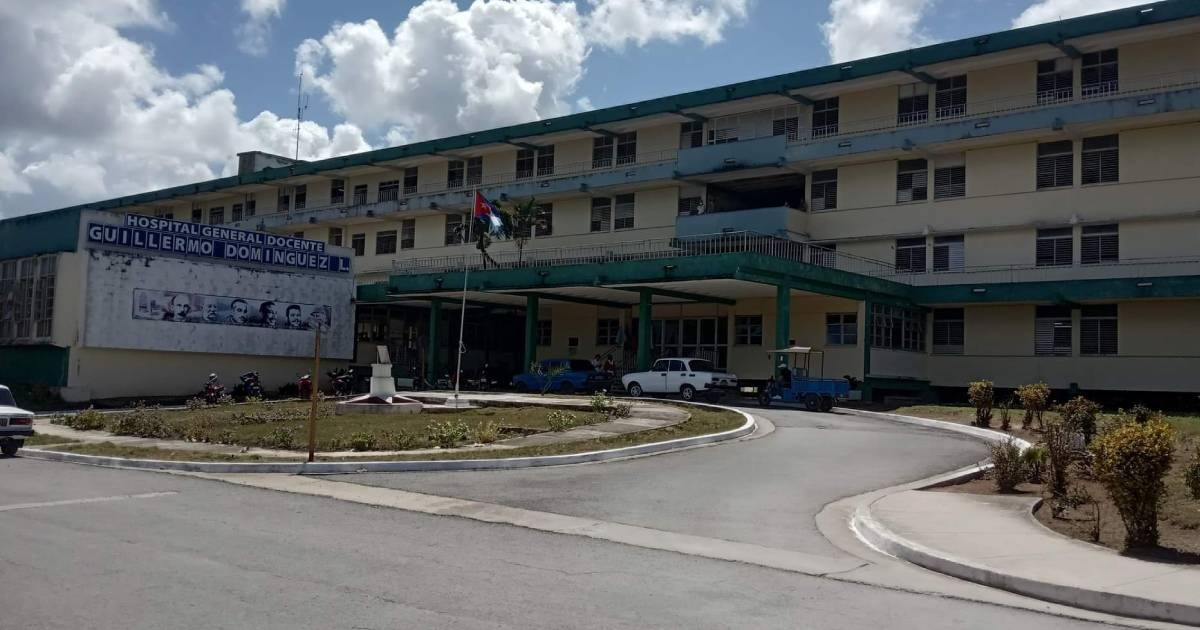
A Cuban mother residing in Puerto Padre, Las Tunas, has raised alarms on Facebook about an impending threat to suspend prioritized taxi services for hemodialysis patients. This comes as local officials continue to enjoy unrestricted access to fuel while denying it to the most vulnerable patients.
The complaint, shared by a user identified as Yolyta Rodrig—whose son relies on the hemodialysis unit at the Guillermo Domínguez López General Hospital—highlights an ongoing transportation crisis that has been affecting patients in the area for about two months.
"The saddest part is that just as it's being broadcast on social media, television, and other mass communication outlets that our country has seen a slight improvement in fuel availability, we are once again faced with the threat of having our prioritized taxi service cut off, which is supposedly a 'Program of the Revolution,'" the concerned mother expressed.
The provincial mayor of Las Tunas suggested an alternative to house the patients in the hospital itself. However, the complainant criticized this proposal as unfeasible: "How can a hospital that lacks beds, cleanliness, food, nurses, doctors, cleaning staff, and compassion possibly admit a renal patient, given their constant health challenges?"
Hemodialysis patients require regular sessions to cleanse their blood because their kidneys are nonfunctional. Chronic fatigue, anemia, and the buildup of toxins prevent them from traveling independently. Without transportation, their lives are in grave danger.
In addition to the fuel crisis, the mother reports that the hospital's hemodialysis service is plagued by a shortage of medications and broken machines, as well as a lack of nurses, cleaning assistants, and reuse personnel.
"These patients constantly face life-threatening conditions, depending on machines to purify their blood—machines that are often broken because none of you care about the lives of our loved ones. You are nothing but selfish opportunists abusing your positions," she declared.
The stark contrast between the struggles of the patients and the privileges enjoyed by the ruling class is the central theme of the mother's complaint. "You never run out of fuel; stop being shameless and at least respect human suffering," she demanded.
This situation unfolds amid Cuba's worst energy crisis in decades. The power generation shortfall exceeded 1,400 MW last Monday, resulting in blackouts lasting up to 24 hours in provinces such as Holguín, Granma, and Santiago de Cuba. The country produces only 40,000 barrels of oil daily but needs between 90,000 and 110,000.
In other provinces, prioritized taxi services for hemodialysis patients are similarly threatened by fuel shortages. However, in Pinar del Río, 66 vehicles are operational for this purpose, and in Guantánamo, free rides are provided, according to social media reports.
"Ladies and gentlemen, you can mess with the chain but not with the monkey; we're tired of enduring so much abuse," the mother concluded, addressing the provincial authorities directly.
Understanding the Hemodialysis Transportation Crisis in Cuba
What is causing the transportation crisis for hemodialysis patients in Las Tunas?
The transportation crisis for hemodialysis patients in Las Tunas is primarily due to a shortage of fuel, which has led to the threat of suspending prioritized taxi services essential for these patients to reach their medical treatments.
How does the fuel shortage affect hemodialysis patients?
Hemodialysis patients rely on regular transportation to receive their treatments, as their medical condition prevents them from traveling independently. The lack of fuel for transportation puts their lives at risk, as missing treatment can lead to severe health complications.
What alternatives have been suggested to address this issue?
One proposed solution by the provincial mayor of Las Tunas was to admit patients into the hospital. However, this has been criticized as unfeasible due to the hospital's lack of resources and personnel to support additional patients.