The Electric Union (UNE) anticipates a shortage of 1,395 MW during peak hours this Sunday, with available power at just 1,735 MW compared to a maximum demand of 3,100 MW, according to the official report from the National Electric System released earlier today.
This decline follows a 17-hour and 45-minute service interruption on Saturday, with continuous disruptions throughout the night. The peak shortage the previous day hit 1,461 MW at 8:10 PM, exacerbated by the emergency shutdown of Unit 4 at the Carlos Manuel de Céspedes Thermoelectric Plant.
As of 6:30 AM on Sunday, system availability was at 1,680 MW against a demand of 2,380 MW, with 990 MW already impacted at that time. By midday, an estimated 950 MW shortage was expected.
System Failures and Maintenance Woes
The escalating problems are attributed to accumulated breakdowns: Unit 2 of the Ernesto Guevara De La Serna Thermoelectric Plant, Unit 4 of the Carlos Manuel de Céspedes Plant, Unit 2 of the Felton Plant, and Units 3 and 5 of the Renté Plant are all offline.
Additionally, maintenance is underway on Unit 5 of the Mariel Plant, Unit 6 of the Renté Plant, and Unit 5 of the Nuevitas Plant. Thermal generation limitations contribute to 335 MW being out of service.
Renewable Energy's Limited Relief
As a partial remedy, 54 new solar photovoltaic parks contributed 3,978 MWh on Saturday, with a maximum capacity of 641 MW during daylight hours. However, the lack of large-scale battery storage prevents this energy from meeting nighttime demand.
For Sunday's peak hours, the UNE plans to bring Unit 3 of the Renté Plant online with 55 MW, which is currently in the startup phase, although this will not suffice to bridge the projected deficit.
Public Frustration and Regional Disparities
The situation has sparked outrage among Cubans on social media. "Regional favoritism, Havana is lit 24/7, while the rest of us are treated like old junk," one user commented. Another added, "The deficit is increasing as the minister said, leading to long hours of outages again."
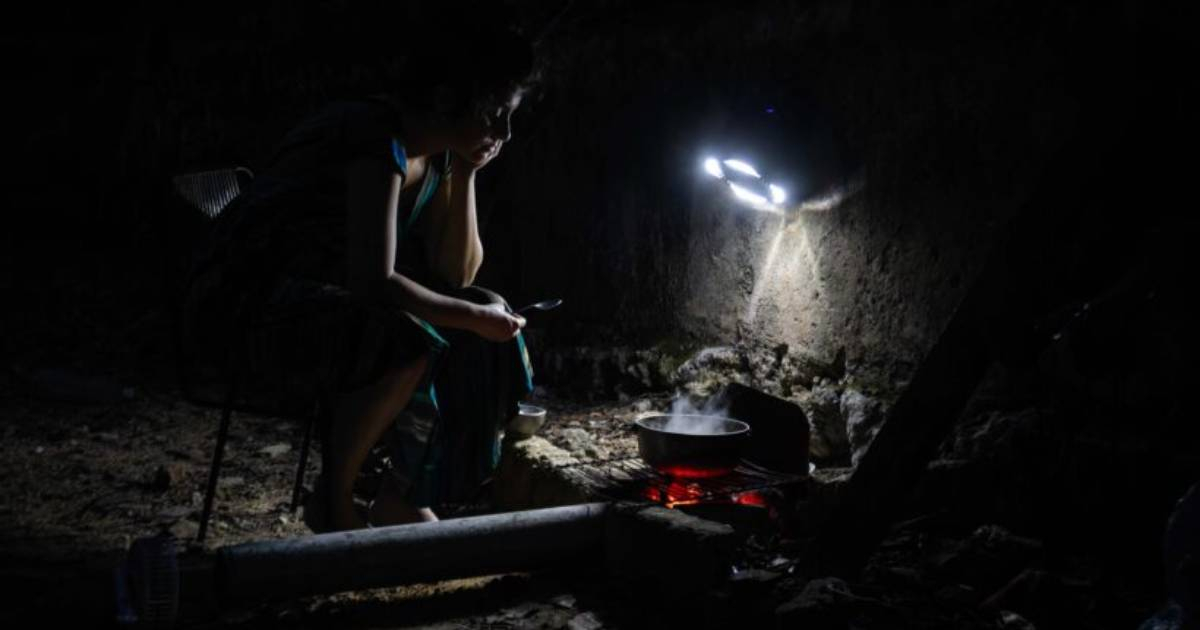
The discontent over preferential treatment towards the capital is growing. While Havana has enjoyed days without power cuts due to generation shortages, a resident from Puerto Padre, Las Tunas, reported outages from 5 PM until 2 AM, with another disruption before 7 AM.
Energy Crisis Deepens
This Sunday adds to an ongoing electricity crisis that has seen deficits surpassing 1,300 MW on several April days. The month's highest shortfall was recorded on April 1 with 1,945 MW, and on April 16, 62% of the national territory experienced simultaneous blackouts, leaving over 200,000 Cubans without access to drinking water.
The root cause is a severe fuel shortage: Cuba went four months without crude oil imports, receiving only a single Russian shipment, which, according to Energy Minister Vicente de la O Levy, will last "until the end of the month."
Understanding Cuba's Power Outages
Why is Cuba experiencing power outages?
Cuba is facing power outages due to a critical fuel shortage and accumulated breakdowns in its thermoelectric plants, which have reduced the available power supply.
What is the role of solar energy in Cuba's power situation?
Solar energy, through new photovoltaic parks, provides partial relief by contributing electricity during daylight hours. However, the lack of battery storage limits its impact on meeting nighttime demand.
How are different regions in Cuba affected by the power crisis?
While Havana experiences fewer outages, other regions face long hours without power. This disparity has led to public dissatisfaction and claims of preferential treatment for the capital.