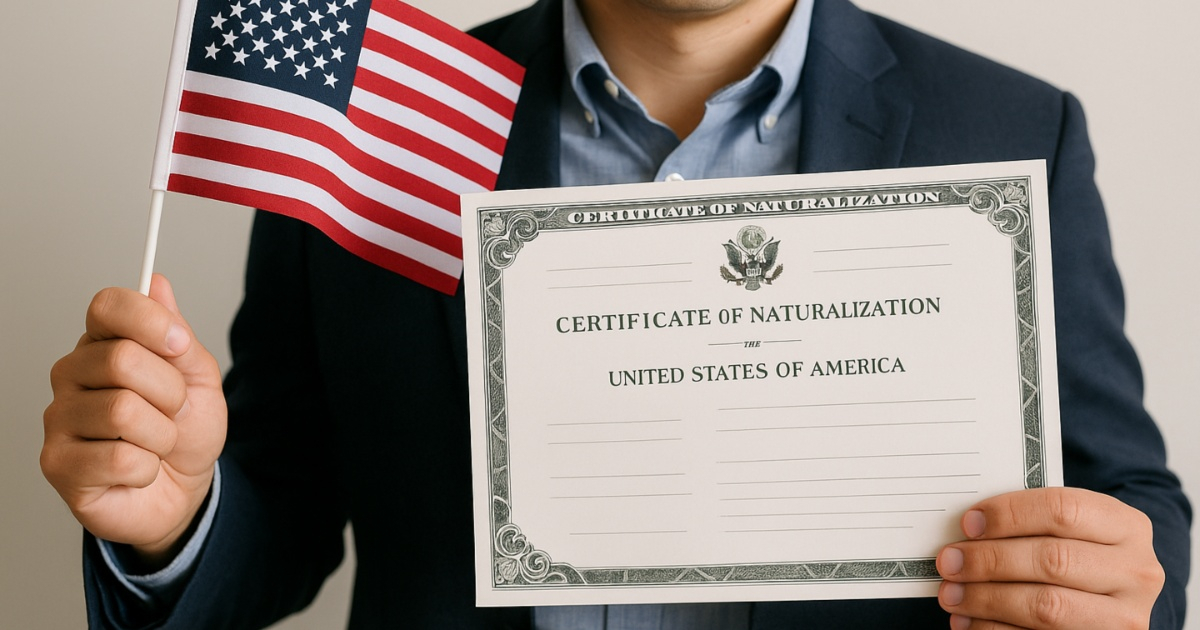
The U.S. Department of Justice is considering the potential revocation of citizenship for over 300 foreign-born Americans, as part of the Trump administration's intensified efforts to pursue denaturalization, according to a source familiar with the investigations.
A Justice Department official confirmed to NBC News that the number of active cases has reached "several hundred."
The New York Times initially reported this figure last Thursday, with NBC News verifying it the following day.
Nationwide Efforts to Intensify Denaturalization
Federal prosecutors across regional offices nationwide are actively engaged in this initiative, as stated by the official.
The U.S. Citizenship and Immigration Services (USCIS), a division of the Department of Homeland Security responsible for legal immigration, has deployed experts to its national offices and reassigned personnel to identify between 100 and 200 potential cases monthly for referral to the Department of Justice, which handles the judicial proceedings.
Focus on Security and Fraud
It remains unclear why approximately 300 Americans have been specifically targeted by the Department of Justice. The department has instructed its attorneys to prioritize denaturalization cases, focusing on individuals posing national security risks, those involved in war crimes or torture, and individuals who have committed Medicaid or Medicare fraud, among other forms of government fraud.
Driven by Broader Immigration Restrictions
This initiative is part of a broader campaign by the Trump administration to significantly reduce immigration.
The effort follows a directive from Deputy Attorney General Brett A. Shumate, issued on June 11, 2025, which instructed the Justice Department's Civil Division to prioritize and pursue denaturalization to the fullest extent allowed by law.
Historic Context and Future Goals
Historically, such cases were rare. Before Trump's first term, the annual average was only 16 civil cases. Between 2017 and 2021, a total of 102 cases were filed during his first term. Now, the goal in the second term is to exceed that number within a single year. Each year, roughly 800,000 individuals are naturalized as U.S. citizens.
Cuba is among 19 countries labeled "high risk," subject to extensive naturalization reviews since December 2025, alongside Venezuela, Somalia, and Haiti.
One specific case involved the revocation of citizenship from Mirelys Cabrera Díaz of Hialeah on March 24, 2026, following her 2019 conviction for conspiracy to commit Medicare fraud, totaling over six million dollars. Additionally, former North Miami mayor Philippe Bien-Aime faces denaturalization proceedings for allegedly using two identities and lying during immigration interviews.
"The Justice Department is fully committed to removing foreign nationals with criminal backgrounds who exploit the naturalization process," stated a department spokesperson.
"Under the leadership of President Trump and Acting Attorney General Todd Blanche, the Department is processing the largest volume of denaturalization referrals in history. We are moving swiftly to ensure that fraudsters are held accountable and prosecuted to the fullest extent of the law."
Understanding the U.S. Denaturalization Process
What is denaturalization?
Denaturalization is the legal process by which a naturalized citizen is stripped of their U.S. citizenship, usually due to fraud, illegal acts, or misrepresentation during the naturalization process.
Why is the Justice Department focusing on denaturalization?
The Justice Department is prioritizing denaturalization to address national security concerns and prevent fraud in the naturalization process, as part of a broader strategy to restrict immigration under the Trump administration.
How many people are affected by denaturalization annually?
Historically, denaturalization cases have been rare, with an average of 16 civil cases annually before the Trump administration. However, the current administration aims to significantly increase these numbers, targeting hundreds of cases each year.