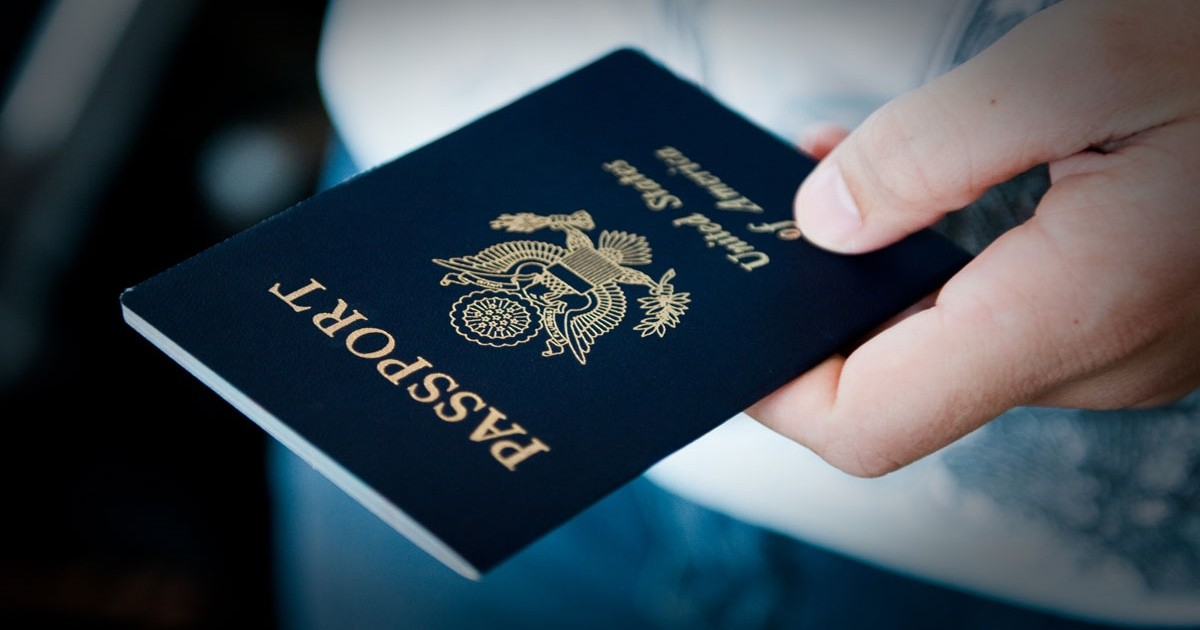
The U.S. passport has climbed back to the tenth position in the Henley Passport Index for 2026, according to the April update from Henley & Partners. Despite this improvement, American passport holders now enjoy visa-free access to 179 destinations, which is one fewer than reported in the October 2025 edition.
This decline in visa-free destinations comes on the heels of a historic low in October 2025, when the U.S. passport fell to the 12th position, tied with Malaysia, marking its first exit from the top 10 since the index was first published in 2006.
The Long-Term Decline of U.S. Passport Power
Despite reclaiming the tenth spot in 2026, the U.S. passport's trajectory reveals a persistent downward trend. In 2014, it shared the top rank globally with the United Kingdom; by 2024, it had slipped to seventh place; and by July 2025, it had dropped to tenth, providing access to 182 destinations at that time.
The January 2026 Henley report highlights that the U.S. passport suffered the third-largest decade-long position loss, trailing only Venezuela and Vanuatu, and experienced the steepest annual drop recorded, losing visa-free access to seven countries in just one year.
Factors Behind the Decline
Several factors contribute to this setback, including Brazil's imposition of visa requirements in April 2025 due to a lack of reciprocity. Additionally, the U.S. passport has been removed from the visa-free lists of China and Vietnam, alongside adjustments in other nations like Papua New Guinea, Myanmar, and Somalia.
Washington's own immigration policies have also played a role. The U.S. doubled the cost of its Electronic System for Travel Authorization (ESTA) from $21 to $40 in September 2025 and plans to implement a $250 "visa integrity" fee for non-immigrant visas, prompting reciprocal actions from other countries.
A Striking Mobility Gap
An eye-opening aspect of the 2026 Henley report is the stark contrast between outbound and inbound mobility in the U.S. While American citizens can travel to 179 destinations without a visa—ranking tenth in outbound mobility—the country permits visa-free entry to citizens of only 46 nationalities, placing it 78th out of 199 in the Henley Openness Index, representing one of the world's widest gaps.
Meanwhile, the Cuban passport ranks significantly lower, at 77th globally, with visa-free access to just 56 countries.
At the top of the 2026 rankings, Singapore holds first place with 192 visa-free destinations, followed by Japan, South Korea, and the United Arab Emirates, each with access to 187 destinations.
"In practical terms, this doesn't mean Americans will suddenly face travel difficulties, but it does highlight a shift in global mobility dynamics," the report concludes.
Understanding U.S. Passport Mobility Changes
Why did the U.S. passport drop to the 12th position in 2025?
The U.S. passport dropped to the 12th position in 2025 due to a reduction in the number of countries it could access without a visa, coupled with increased visa requirements from countries like Brazil, China, and Vietnam.
What are the implications of the U.S. doubling the ESTA fee?
Doubling the ESTA fee may lead to reciprocal measures by other countries, potentially affecting the ease with which U.S. citizens can travel internationally.
How does the U.S. rank in terms of visa-free entry for foreigners?
The U.S. ranks 78th out of 199 in the Henley Openness Index, allowing visa-free entry to citizens of only 46 nationalities, highlighting a significant gap compared to its outbound travel privileges.