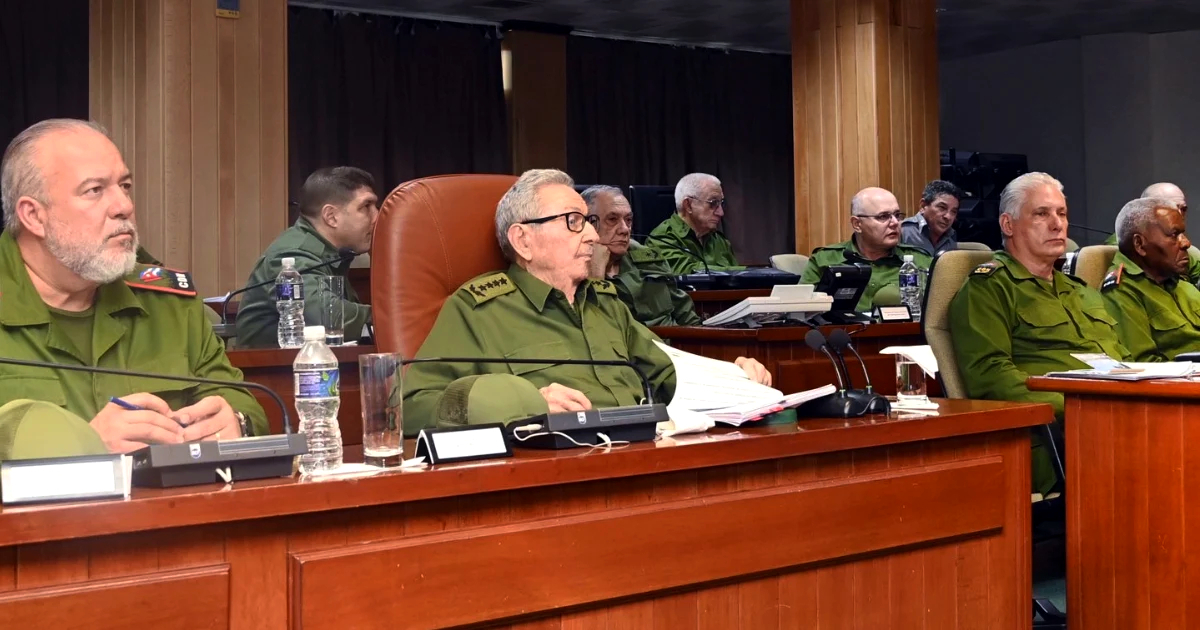
The Cuban government has acknowledged a recent meeting with a U.S. delegation in Havana amid escalating tensions and diplomatic pressure concerning the island's political prisoners.
This confirmation came from Alejandro García del Toro, Deputy Director General for the United States at Cuba’s Ministry of Foreign Affairs (MINREX). Speaking to the state-run newspaper Granma, García del Toro stated that high-level representatives from both governments attended the meeting.
According to García del Toro, the U.S. delegation included Assistant Secretaries from the Department of State, while the Cuban side was represented by a Deputy Minister of Foreign Affairs.
García del Toro described the discussions as “respectful and professional,” denying any imposition of conditions or deadlines by Washington. This contradicts reports from American media such as USA Today, which claimed there was a two-week ultimatum for the release of prominent political prisoners.
These reports suggested that the Trump administration demanded the release of dissidents, including Luis Manuel Otero Alcántara and Maykel Osorbo, as a gesture of goodwill, warning of potential consequences if these demands were not met.
The Cuban government, however, sidestepped directly addressing these allegations, focusing instead on economic issues. García del Toro emphasized that Havana prioritized discussing the removal of the so-called "energy blockade," which he described as an “unjustified punishment” against the population and a hindrance to international trade.
These official statements confirm direct contact between the two governments during a particularly sensitive time marked by Cuba’s economic decline, increasing social unrest, and international pressure regarding human rights on the island.
While the Cuban regime attempts to convey a sense of normalcy in the dialogue, reports from the United States depict a much more strained scenario where the release of political prisoners has become central to negotiations and a key test for the future of bilateral relations.
The acknowledgment of this secret meeting adds a new layer to the current dynamics between Washington and Havana, especially as the deadline mentioned by U.S. sources approaches and anticipation builds over the Cuban regime's response.
Insights into U.S.-Cuba Diplomatic Engagements
What was discussed in the meeting between the U.S. and Cuban governments?
The discussions focused on high-level diplomatic issues, with Cuba prioritizing the removal of the "energy blockade," while reports suggest the U.S. pressed for the release of political prisoners.
Who represented the United States and Cuba in the meeting?
The U.S. delegation included Assistant Secretaries from the Department of State, while Cuba was represented by a Deputy Minister of Foreign Affairs.
What are the implications of this meeting for U.S.-Cuba relations?
This meeting highlights the ongoing diplomatic engagement between the two countries, with potential implications for economic policies and human rights discussions, especially regarding political prisoners.