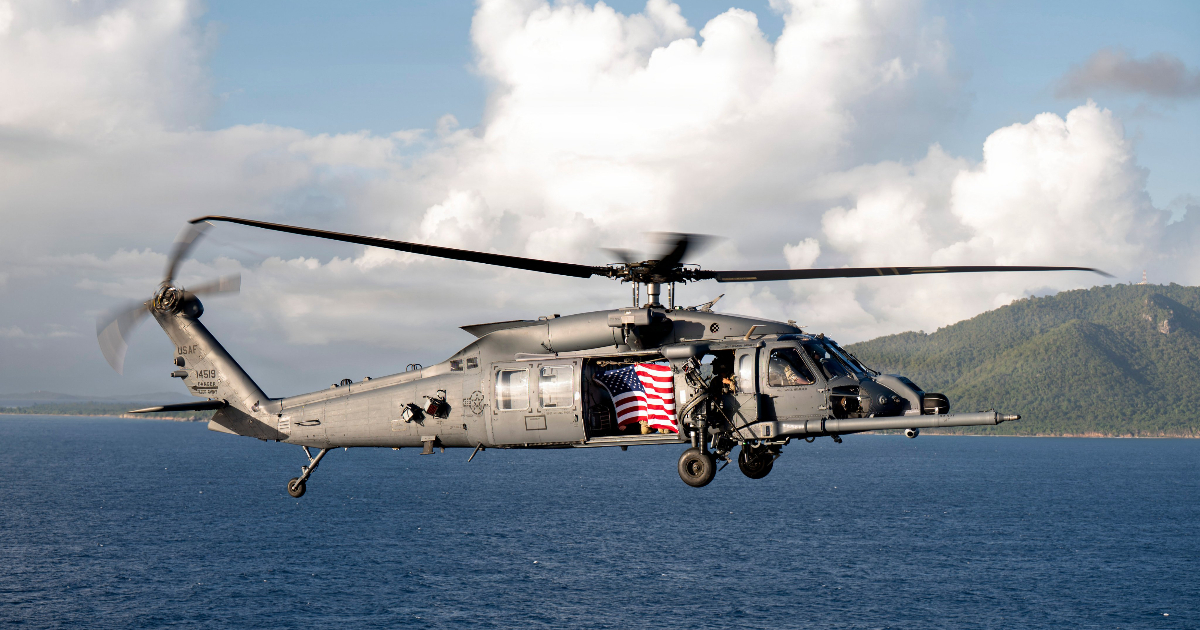
The Pentagon refrained from confirming any specific plans for a potential military intervention in Cuba on Thursday but affirmed that the U.S. armed forces are ready to act if President Donald Trump gives the order.
This statement from the Department of Defense came in response to a report published by USA Today, which quoted two anonymous sources familiar with internal directives. The report claimed that the Pentagon is refining plans regarding Cuba, pending direct orders from the President.
The Department of Defense told the EFE agency that it "would not speculate on hypothetical scenarios," emphasizing that the military plans for various contingencies and remains prepared to carry out the President's commands.
The information initially appeared in Zeteo's bulletin titled "Is Cuba Next?" and quickly spread through Capitol Hill and Washington's political circles.
Rising Tensions Between Washington and Havana
The Pentagon's comments emerge amid sustained escalating tensions between Washington and Havana, partly fueled by Trump's rhetoric. Last Monday, Trump hinted at the White House, "Maybe we'll stop in Cuba after we're done with this," referring to the conflict with Iran.
These remarks are part of a series of statements Trump has made in recent weeks. On March 27, he declared in Miami Beach, "Cuba is next, but pretend I didn't say that." On March 16, he said at the White House, "I think I'll have the honor of taking Cuba." And on March 30, he predicted from Air Force One that Cuba "will fail very soon, and we'll be there to help our great Cuban-Americans."
Political Reactions and Legislative Measures
Despite this rhetoric, in March, Trump explicitly ruled out direct military actions against Cuba, prioritizing economic pressure. Experts like Brian Fonseca from the Jack D. Gordon Institute at Florida International University have described the Pentagon's discussions as "signaling" to warn the regime, not as an imminent action.
Democratic lawmakers have reacted with concern. Congresswoman Nydia Velázquez described the idea of conflict in Cuba as "madness" and urged the passing of her war powers resolution. On March 26, Representatives Gregory W. Meeks and Pramila Jayapal introduced the "Prevent an Unconstitutional War in Cuba" bill to prohibit federal funds from being used for military actions against the island without Congress's approval.
Cuba's Stance and Warning
From Havana, President Miguel Díaz-Canel warned in an interview on NBC News' Meet the Press that Cuba would defend itself "to the last drop of blood": "If it happens, there will be combat, there will be fight. We will defend ourselves, and if we have to die, we will die, because as our National Anthem says, 'To die for the Fatherland is to live.'"
Frequently Asked Questions about U.S.-Cuba Relations
What is the current stance of the U.S. Pentagon regarding military action in Cuba?
The Pentagon has not confirmed any specific plans for military intervention in Cuba but has stated that the U.S. armed forces are prepared to act if President Trump orders them to do so.
How has President Trump's rhetoric influenced U.S.-Cuba relations?
President Trump's rhetoric has heightened tensions between Washington and Havana, with statements suggesting potential actions against Cuba, although he has ruled out direct military intervention for now, focusing instead on economic pressure.
What legislative actions have been taken in response to the situation with Cuba?
In response, Democratic lawmakers have proposed measures like the "Prevent an Unconstitutional War in Cuba" bill, aimed at prohibiting the use of federal funds for military actions against Cuba without congressional approval.