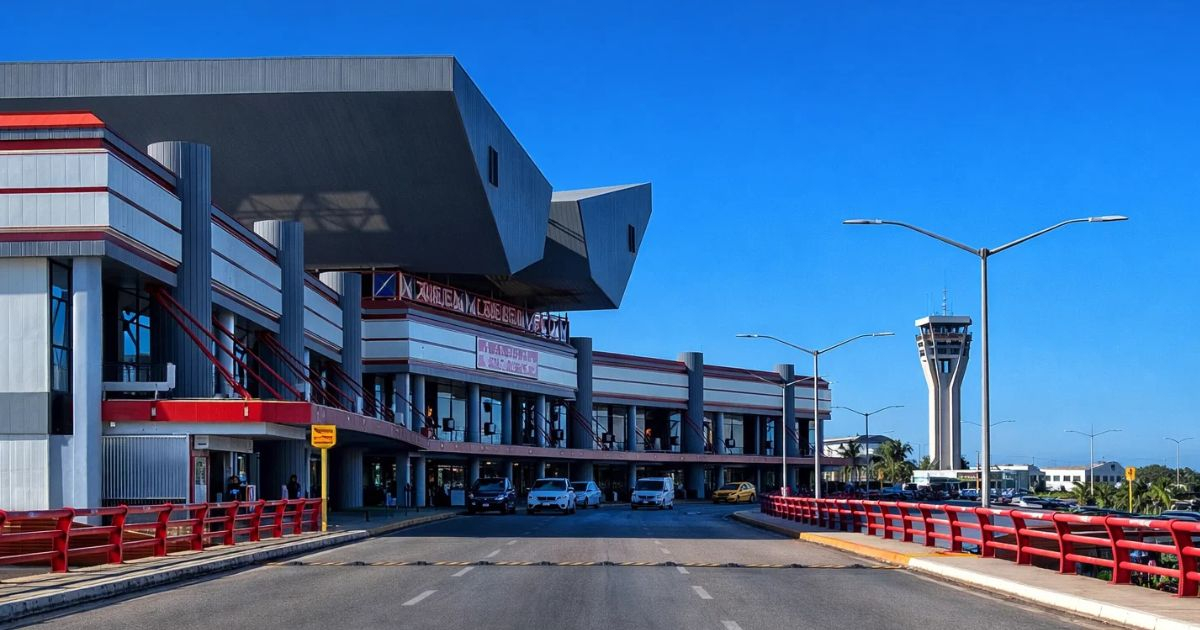
On Tuesday, Air Transat halted its ticket sales for flights to Cuba from mid-June through late October 2026. This decision comes as the airline reassesses its summer schedule in light of the island's fuel shortages and escalating geopolitical tensions.
The Montreal-based airline initially planned to resume services on June 20, a date previously communicated to travel advisors last month. However, this timeline is now uncertain, according to PAX News.
All bookings with Air Transat for trips from Canada to Cuba have been automatically refunded due to the lack of short-term alternatives.
"We are closely monitoring the situation and will provide updates once a decision has been made. If necessary, we will directly contact customers with reservations to inform them of available options," the airline stated in an email.
On the same day, Travel Pulse reported that Sunwing Vacations Group extended its suspension of operations to Cuba until October 9, 2026. This includes the cancellation of all flights to Varadero and Cayo Coco starting June 20.
During this period, which covers the entire peak summer season, Sunwing Vacations Group will not operate any flights to Cuba.
The company plans to resume flights to Varadero and Cayo Coco on October 10, with services to other Cuban destinations — Holguín, Santa Clara, Cayo Largo, and Cienfuegos — restarting on October 25. Affected customers will receive a full refund, processed within up to 21 business days.
Air Canada has also postponed its flight services to Cuba until November 1, 2026, citing power outages and hotel closures on the island.
Meanwhile, the Canadian Transportation Agency granted Flair Airlines permission to operate flights to Cuba on April 8, though the airline has yet to announce any official dates or schedules.
The crisis's origins are both energy-related and geopolitical. The disruption of Venezuelan oil supplies, exacerbated by sanctions from the Trump administration — which included the seizure of the Skipper tanker in February with 1.1 million barrels bound for Cuba — has left the island's airports devoid of Jet A-1 fuel since February 10.
The effect on tourism has been profound. In January and February 2026, Cuba received 112,000 fewer visitors compared to the same months in 2025. Hotel occupancy dropped to 18.9%, and more than 1,700 flights were canceled.
The Canadian government continues to advise against all non-essential travel to Cuba, pointing to shortages of fuel, electricity, food, water, and medicine.
Canada accounts for roughly 40% of tourist arrivals to Cuba, making the widespread suspension of its airlines a particularly severe blow to the regime's economy.
Despite the bleak outlook, the FITCuba 2026 International Tourism Fair is set to take place in Havana from May 6 to 10 in a hybrid format, with delegations from over fifty countries participating. Meanwhile, Cuba's Tourism Office insists that "the island is preparing to resume its operations on a large scale."
Key Questions About Cuba's Travel Crisis
Why have airlines suspended flights to Cuba?
Airlines have suspended flights to Cuba due to severe fuel shortages and rising geopolitical instability on the island.
How is the travel suspension affecting Cuba's economy?
The suspension of flights from Canada, which makes up about 40% of Cuba's tourist arrivals, deals a significant economic blow to the regime.
What are the current travel advisories for Cuba?
The Canadian government advises against all non-essential travel to Cuba due to shortages of essential resources like fuel, electricity, and food.