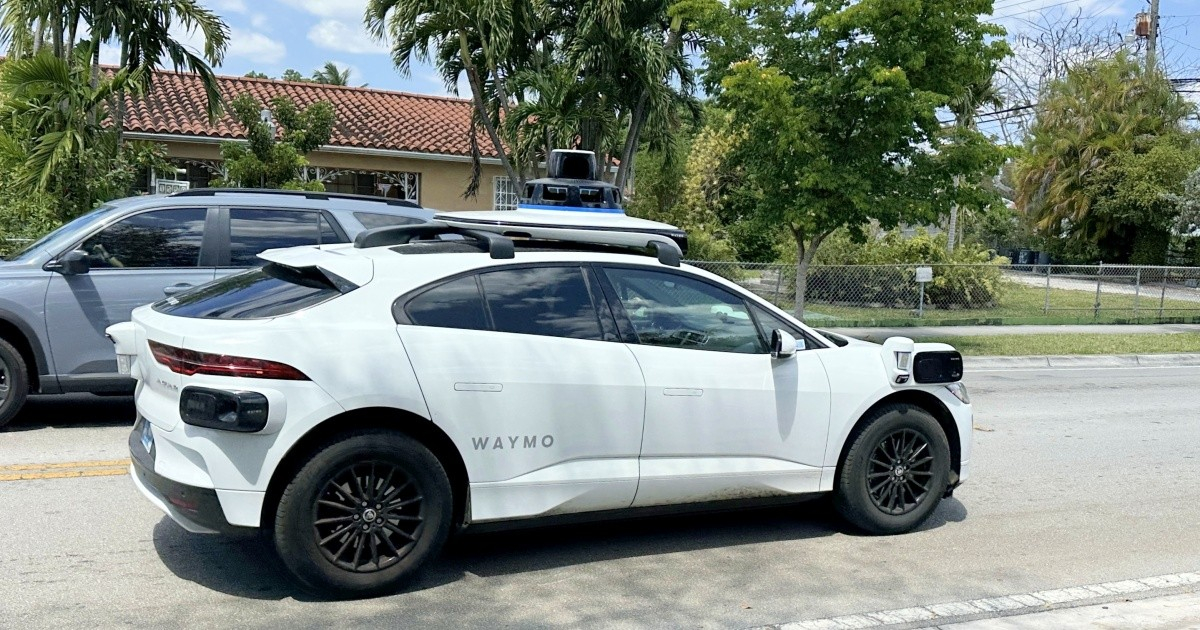
Waymo, Alphabet's autonomous vehicle subsidiary, has launched its driverless taxi service to the general public in Miami, eliminating the waitlist and marking a significant milestone in the evolution of autonomous transportation in the United States.
Previously, the service was available on a limited basis starting January 22, 2026, initially to around 10,000 waitlisted users, expanding later to over 100,000 registered individuals.
Now, both residents and visitors can request a ride directly through Waymo's app.
Miami becomes the sixth U.S. city where Waymo is operating commercially, following launches in Phoenix, San Francisco, Los Angeles, Atlanta, and Austin.
Waymo's Expanding Service Area
The Miami service area spans approximately 100 square miles of Miami-Dade County, including key neighborhoods like Brickell, Downtown Miami, Wynwood, Little Havana, Coral Gables, Coconut Grove, Miami Beach, and Bal Harbour.
A standout feature of this full-scale launch is that the robotaxis will begin including highway routes, such as Interstate 95, the Dolphin Expressway (State Road 836), and the Palmetto Expressway (State Road 826).
Pioneering Highway Autonomy
Sandy Karp, Waymo's spokesperson, highlighted that the company appears to be the first to offer fully autonomous highway rides without a human specialist onboard to passengers in the U.S.
Following its recent expansion to Miami Beach and Bal Harbour, Waymo provides a more convenient autonomous travel option, perfect for enjoying Miami's top events this spring.
The Journey of Waymo
Waymo originated as Google's autonomous driving project in 2009 and became an independent company in 2016. Today, it leads the field in advanced driverless vehicle development.
Karp explained to NBC News in 2025 that Waymo "seems to be the first to offer fully autonomous highway trips without a human specialist inside the car to passengers in the United States."
This distinction is critical: the vehicles are not equipped with driver assistance systems but are entirely without a human driver.
How Do Waymo's Robotaxis Operate?
Using a Waymo vehicle is akin to platforms like Uber or Lyft, with one major difference: there is no human driver. Users request a ride via the app, which shows the nearest available vehicle. Once the vehicle arrives, it remains locked until the ride is confirmed.
After confirmation, "the passenger door handles will deploy," signaling the vehicle is ready. Inside, you'll find a familiar setup with steering wheels, mirrors, and controls, although they remain unused. This setup is intended to instill passenger confidence.
The technology is impressive: the vehicle is outfitted with "29 cameras, six radars, and five lidars," enabling it to perceive its surroundings in real-time.
Safety First: Backing with Data
Public safety concerns are prevalent, but Waymo counters these with concrete data. "Safety is our top priority," a Waymo representative stated, adding, "We've driven over 127 million miles in fully autonomous mode."
According to the company, these figures translate to:
- 10 times fewer serious injury accidents.
- 5 times fewer accidents with injuries.
- 5 times fewer airbag deployments.
- 5 times fewer pedestrian injuries.
Independent studies bolster this trend, indicating autonomous vehicles may have up to an 85% lower chance of causing injury-related accidents compared to human drivers.
Challenges and Controversies
Despite technological advancements, issues persist. Since its public launch, incidents have sparked debate: In March, a robotaxi momentarily obstructed an ambulance during a shooting in Austin. In December of last year, another vehicle drove close to an active police scene in Los Angeles.
These events highlight that while the technology progresses swiftly, it still faces complex real-world situations.
Waymo's arrival signifies not just a technological leap but also underscores the gap between development models. Waymo's expansion in Miami is part of a global race where the U.S., China, and Europe vie to lead autonomous transportation.
With over 250,000 weekly rides in various cities and millions of miles logged, the question is no longer if these vehicles will dominate the streets, but when they will do so on a large scale. Miami is now a part of that future.
Frequently Asked Questions about Waymo's Autonomous Rides in Miami
How do I request a ride with Waymo in Miami?
You can request a ride by downloading the Waymo app and selecting your desired pick-up and drop-off locations. The app will connect you with the nearest available vehicle.
What makes Waymo's service in Miami unique?
Waymo is pioneering fully autonomous rides on highways in Miami, a first in the United States. This allows for seamless travel across key expressways without a human driver onboard.
Is riding in a Waymo vehicle safe?
Waymo emphasizes safety, having driven over 127 million miles autonomously with significantly fewer accidents compared to human-driven vehicles. The technology includes multiple sensors that provide real-time environmental awareness.