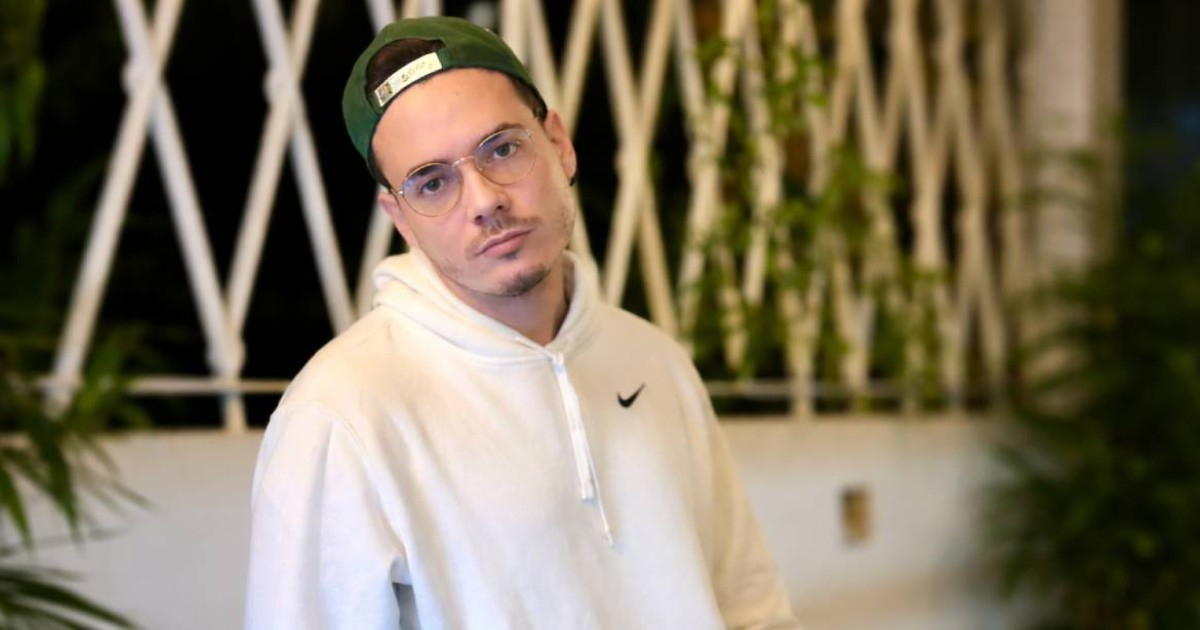
Sandro Castro, grandson of Fidel Castro, has called for a significant transformation in Cuba during an exclusive interview with NBC. He advocated for a free market, criticized the regime's internal bureaucracy, and explicitly demanded a touch more democracy.
His comments came just two days after NBC aired an interview with Miguel Díaz-Canel on the program Meet the Press—the first by a Cuban leader on American television in decades—where the leader denied the existence of political prisoners and refused to resign.
The 33-year-old was adamant in stating that Cuba requires not just a change in government but also a shift in mindset. He believes the system should embrace more economic freedom, reduce bureaucracy, and allow for increased democratic practices.
Advocating for Economic Reform
When questioned about supporting a capitalist Cuba, Castro was unequivocal: "Yes, I would support it, along with many others. Because there is a large private sector in Cuba," he stated.
He also highlighted internal management issues as part of the problem, rather than solely blaming the U.S. embargo: "We sometimes have an internal mental blockade here that harms us significantly, almost as much as the external blockade from the United States."
Addressing the Energy Crisis
Castro acknowledged the severity of the island's energy collapse: "We truly have enormous difficulties with electricity; there are practically blackouts lasting 10 to 20 hours on some days."
Reflecting on His Grandfather's Era
When asked about his grandfather's policies, Castro distanced himself without direct confrontation: "Those were different times, different moments in history, different generations. What he did then has already been done."
He also extended an invitation to the Cuban diaspora to return and invest: "I wish all these Cubans could come and invest here in this country as well."
Views on U.S. Politics
Regarding the Trump administration, Sandro Castro expressed a nuanced stance: he supported the removal of restrictions on the Cuban private sector but questioned the consistency of the U.S. president. "The Trump administration is confusing. He says one thing today and within a week says something else. It's hard to follow," he remarked.
He also rejected Trump's tone when speaking about Cuba: "I feel the way he said it was a bit arrogant. Cuba should always be respected first and foremost."
This NBC interview marks Sandro Castro's second major international media appearance in recent weeks. On March 30, he had already given an interview to CNN from Havana, where he directly criticized Díaz-Canel—"For me, the president is not doing a good job"—and stated that "most Cubans want capitalism, not communism." During that occasion, he also revealed having been summoned by State Security for his satirical videos, although he was released with a warning.
In the NBC interview, Castro dismissed allegations about his alleged wealth: "I'm not a millionaire, I didn't inherit anything. I live in a very modest one-bedroom apartment, with only one car," he asserted, labeling the rumors about his fortune as "pure falsehood."
Understanding Sandro Castro's Perspective on Cuba
What changes does Sandro Castro propose for Cuba?
Sandro Castro advocates for a shift towards a free market, a reduction in bureaucratic processes, and an increase in democratic practices in Cuba.
How does Sandro Castro view the U.S. embargo and internal issues in Cuba?
Castro believes that internal management issues in Cuba, described as a "mental blockade," are as detrimental as the U.S. embargo, and he emphasizes the need to address these internal problems.
What is Sandro Castro's stance on the Trump administration's policies towards Cuba?
Sandro Castro supports the removal of restrictions on the Cuban private sector but criticizes the inconsistency and tone of Trump's policies towards Cuba.
What does Sandro Castro say about his personal wealth?
Sandro Castro denies being wealthy, claiming he lives modestly in a one-bedroom apartment with only one car, dismissing rumors about his fortune as false.