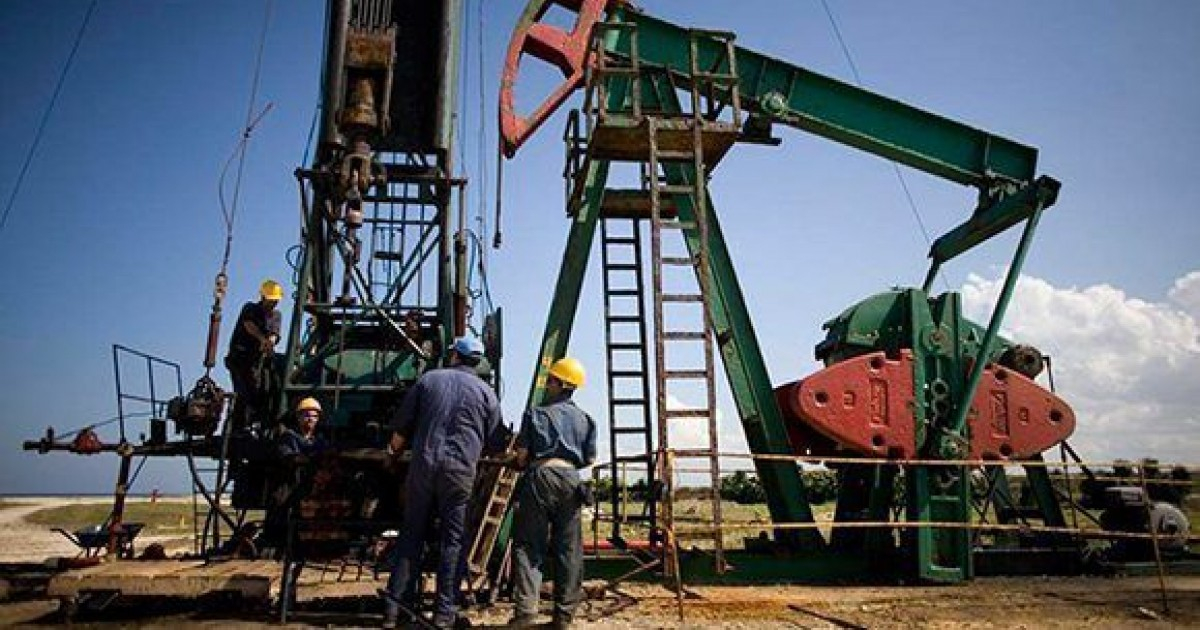
In a surprising move, Cuban President Miguel Díaz-Canel announced that the island nation is open to U.S. investments in its oil exploration and drilling sectors. At the same time, he emphasized Cuba's readiness to resist any military aggression with complete mobilization of its armed forces and citizenry.
As reported by Bloomberg, Díaz-Canel shared these sentiments during an interview on NBC's Meet the Press, where he balanced conciliatory gestures with defiant rhetoric in response to the pressure from the Trump administration.
"We are actively exploring new oil fields and welcome foreign investment in this endeavor," stated the Cuban leader. He reiterated, "Cuba would be pleased to welcome American companies that wish to engage."
These comments come amidst an unprecedented energy crisis for the island nation. Cuba's domestic oil production is approximately 40,000 barrels per day, significantly lower than the demand of 90,000 to 110,000 barrels. This shortfall worsened sharply after the arrest of Venezuelan President Nicolás Maduro in January 2026, which cut off the long-standing supply of 25,000 to 35,000 barrels per day from Venezuela.
The situation deteriorated further with the cessation of Mexican oil shipments on January 27, influenced by Washington's pressure, and the introduction of Executive Order 14380 by Trump on January 29, labeling the Cuban regime an "extraordinary threat" and imposing tariffs on third countries supplying oil to Cuba.
In a rare concession, the U.S. allowed a Russian shipment of approximately 730,000 barrels of crude to reach Cuba at the end of March. Trump defended this decision by highlighting the Cuban people's urgent need for the oil.
However, Díaz-Canel admitted in the interview that this delivery only covers about a third of the country's monthly requirements, prompting the government to develop an "energy transition strategy" that incorporates renewable sources and energy conservation.
Diplomatic Developments and Economic Opportunities
On the diplomatic front, Cuba and the U.S. confirmed talks on March 13, 2026. Following these discussions, the Cuban regime released at least 20 political prisoners verified by the organization Justicia 11J and announced the pardon of 2,010 inmates on April 2. Nonetheless, organizations like Prisoners Defenders and Human Rights Watch noted that none of the pardoned were political prisoners.
The regime also extended an offer to open its economy to investments from Cubans residing abroad.
Díaz-Canel denied any discussions with Secretary of State Marco Rubio and rejected claims that the U.S. had demanded the release of political prisoners, multiparty elections, or the recognition of free unions and press.
Rubio, meanwhile, has made it clear that any economic relief is contingent upon a complete overhaul of Cuba's governmental system.
In their quest to replace Díaz-Canel, Trump and his allies aim to facilitate a political and economic transition, similar to the displacement of Maduro. In response, the Cuban leader invoked the "War of All the People" doctrine as a warning.
"No enemy is undefeatable," he declared, adding, "Every Cuban man and woman has a mission, a purpose, a place to defend, and they will have their place in the defense."
U.S.-Cuba Oil Investment FAQs
Why is Cuba interested in U.S. investment in its oil sector?
Cuba is seeking U.S. investment in its oil sector to address its significant energy deficit, which has worsened due to reduced oil supplies from Venezuela and Mexico.
What has led to Cuba's current energy crisis?
Cuba's energy crisis stems from its reliance on oil imports, primarily affected by the arrest of Venezuelan President Nicolás Maduro and the subsequent halt of oil supplies from Venezuela and Mexico.
What is Cuba's strategy to overcome its oil shortage?
Cuba plans to overcome its oil shortage by implementing an energy transition strategy focused on renewable energy sources and increased energy conservation measures.