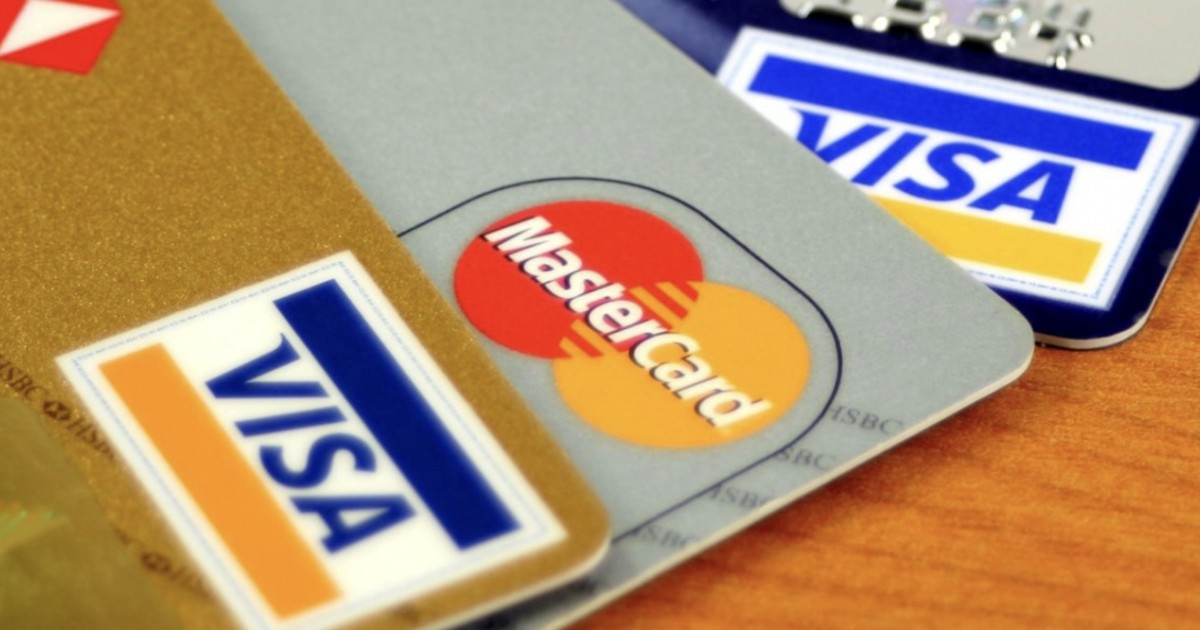
Financial experts are cautioning that several misconceptions about credit card usage continue to circulate both online and offline, leading many consumers to make choices that adversely affect their credit scores and cost them thousands of dollars annually.
Sara Rathner, a credit card expert from NerdWallet, highlighted the most common mistakes during an interview with NBC 6 South Florida released this week.
"You might have been taught some lessons about how credit works that are inaccurate or simply don't apply to your current life situation," Rathner noted.
Common Credit Card Misconceptions
One prevalent myth is that closing unused credit cards is beneficial as it avoids annual fees. However, shutting down an account can have unintended consequences on your credit score, particularly if it's an old account or one with a high credit limit.
"The average age of your accounts is considered when calculating your credit score, and the older they are, the better," emphasized Rathner.
Instead of canceling the card, she advises asking the issuer if you can switch to a no-annual-fee version, which allows the account holder to keep it open without extra costs.
Improving Credit Score: What to Avoid
Another common error involves the credit utilization ratio, which measures the proportion of available credit being used at any given time. Reducing available credit by closing accounts can increase this percentage, negatively impacting your credit rating.
The expert also criticized the practice of maintaining a balance on the card, under the belief that it helps improve the credit score.
The best approach is to pay credit card bills on time each month and, if possible, in full. This way, you steer clear of interest charges and maintain a positive payment history.
Understanding Your Credit Report
Many consumers mistakenly believe that paying off a delinquent debt automatically erases it from their record. In reality, debts in collections can remain on your history for up to seven years, regardless of whether they have been settled.
Experts also suggest regularly reviewing your credit report to catch any errors that may be impacting your score without your knowledge.
You can access your credit report for free through the official site AnnualCreditReport.com, the only platform authorized by federal law.
The credit report contains a person's bill payment history, current debts, and financial information. Companies and lenders use it to calculate your credit score.
An erroneous report can cause significant issues. Each year, hundreds of individuals receive credit reports with inaccuracies or incorrect data and face the daunting task of correcting them, often lacking the necessary know-how.
One of the main errors is often found in identification information. Incorrect details such as name, address, birth date, or social security number can lead to confusion and potential harm.
Understanding Credit Card Missteps
How does closing a credit card affect my credit score?
Closing a credit card can lower your credit score by reducing the overall length of your credit history and increasing your credit utilization ratio, especially if it's an older account or one with a high credit limit.
Does carrying a balance improve my credit score?
No, maintaining a balance on your credit card does not improve your credit score. It's better to pay off the balance in full each month to avoid interest charges and maintain a strong payment history.
Can I remove a settled debt from my credit report?
No, settled debts, especially those in collections, can remain on your credit report for up to seven years, regardless of whether they have been paid off.