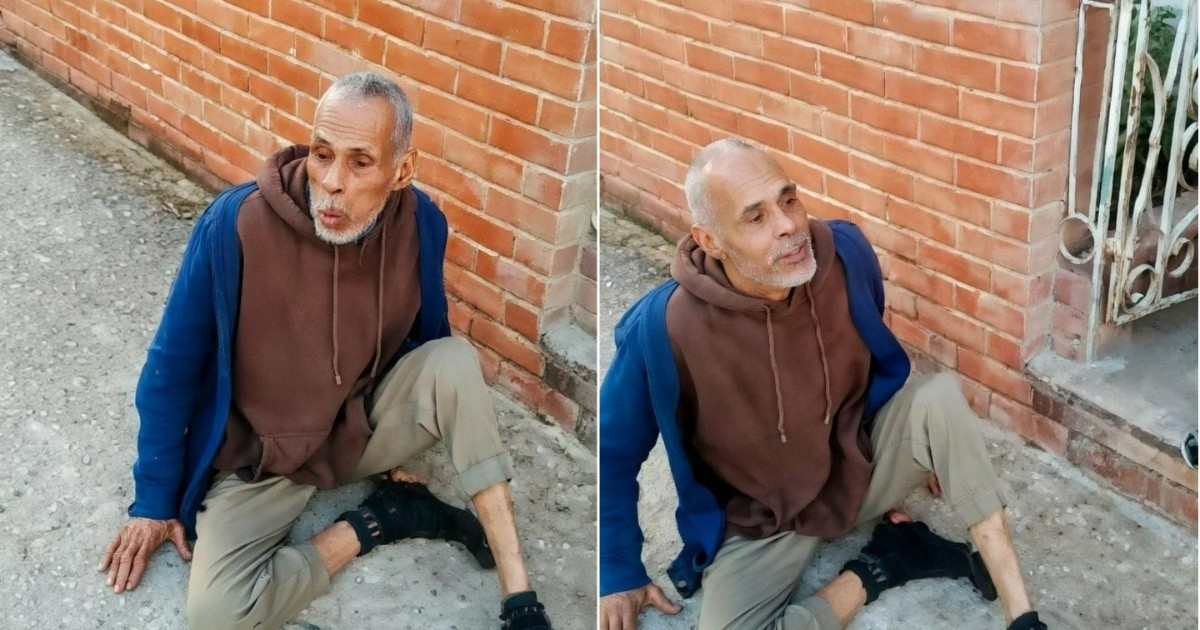
A man known as Chachito, a resident of the Santa Amalia neighborhood in Havana, was discovered abandoned and alone at a street corner shortly after being released under the Cuban regime's mass pardon of 2,010 prisoners, as reported by journalist Luis Lozano and highlighted by La Tijera News.
Chachito's journey from a common inmate to a political prisoner illustrates the plight of those who resist the regime's reeducation programs, asserting themselves as prisoners of conscience. This status, historically significant, reflects a refusal to comply with the oppressive system within Cuban prisons.
Upon release, he was found in a dire state: an ailing man nearing 60, unable to walk, bearing visible scars of physical and psychological torture endured during his incarceration.
His story is just one of many that human rights organizations have criticized as inadequate and incomplete in addressing the broader issue. According to Human Rights Watch, the pardon did not extend to any of the remaining 700-plus political prisoners, exposing the selective and propagandistic nature of the regime's actions.
Groups like Justicia 11J have also pointed out that numerous releases come with conditional and revocable prison benefits, implying that those freed can be reincarcerated at any moment, with no true assurance of freedom.
Institutional Neglect and Social Crisis
Chachito's case of institutional neglect is not unique. The Family Care System in Cuba supports only 67,000 individuals nationwide, a minuscule number considering the severe social crisis affecting the island.
Recent reports have documented similar situations. Former boxer Gaspar Casamayor Álvarez, once celebrated as a sports legend, has been found living in neglect despite his athletic achievements. Additionally, Camilo González, aged 63, was found living outdoors near a hospital, and an elderly man in Bayamo survives by collecting cans from landfills.
According to those who have brought attention to his plight, Chachito is yet another victim of a system that imprisons and tortures individuals, only to release them back into society without resources, family support, or any form of aid.
Understanding the Impact of Cuban Pardons
What was the purpose of the Cuban regime's mass pardon?
The mass pardon was intended as a political move to improve the regime's international image, but it has been criticized for its selective nature, excluding many political prisoners.
How does the Cuban government handle released prisoners?
Released prisoners often face neglect and lack of support, with some being subject to conditional and revocable benefits, risking re-arrest at any time.
What challenges do former prisoners like Chachito face?
Individuals like Chachito struggle with health issues, lack of resources, and social isolation, often without any governmental or family support.