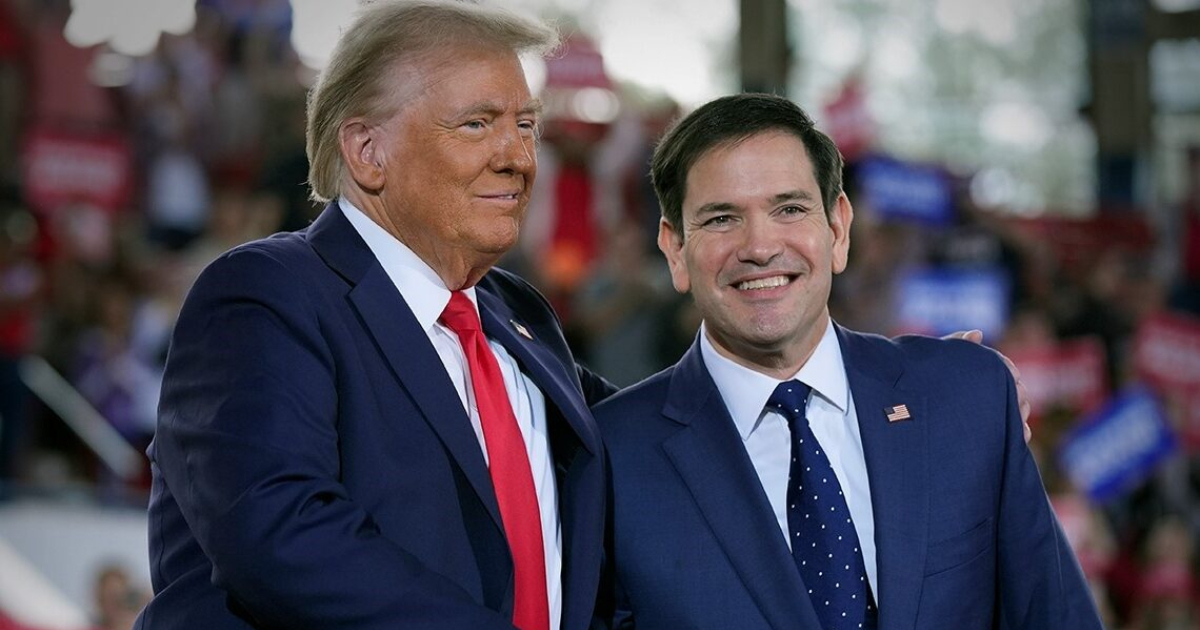
Karoline Leavitt, the White House spokesperson, reiterated on Wednesday that the Cuban regime's downfall is inevitable, clarifying a previous comment made by President Donald Trump. The response from Cubans on social media was swift and unanimous, with a flood of variations of the same question, "But when?"
Leavitt clarified that Trump's statement in Miami on March 27, where he said "Cuba is next," was referencing the regime's collapse and not a military intervention. She characterized Cuba as a nation "in an extremely weak economic and financial position" and noted that "the Cuban populace is fed up with their government, as they should be." However, there were no concrete policy changes announced toward Havana.
The spokesperson acknowledged that discussions are ongoing at the highest levels of government but was clear: "I have no updates or announcements today regarding Cuba policy."
Escalating Skepticism Among Cubans
This statement is part of a series of similar messages from the Trump administration: on March 16, Trump claimed, "I believe I will have the honor of taking Cuba"; on March 30, aboard Air Force One, he predicted that Cuba will fail very soon. Secretary of State Marco Rubio has been hinting at forthcoming updates for weeks.
Yet, Cubans, both on the island and abroad, met the message with a skepticism that has become second nature. Comments on the news post were inundated with the same question, repeated in dozens of variations.
"They've been saying that since Girón... 67 years and nothing," wrote A.T.B., recalling similar promises made since the failed Bay of Pigs invasion in 1961.
"The same rhetoric, they never tire of repeating it," remarked J.A.E.V.
Desperation and Humor Amidst Hardship
Others combined exhaustion with dark humor. "No later than Monday, please. Thank you," wrote T.Y. "What he doesn't say is which century," joked O.L. "We'll be stuck in this until 2050. Pure political bluster," declared S.V.
From within the island, the tone was one of direct desperation. "But when... we're all going crazy... there's nothing, no water, no power, no food... they're killing us," wrote M.P.N. "It's the people who are destined to fall, not the government," summarized M.L.D.
The backdrop to these comments is severe: by 2026, Cuba is grappling with power outages lasting up to 30 hours daily, chronic shortages of water, food, and medicine, and an economy that has shrunk by 23% since 2019.
Official Responses and Ongoing Dialogue
Meanwhile, Cuban Deputy Foreign Minister Josefina Vidal confirmed to AFP that there are contacts between both governments, though in a very preliminary stage, without any formal structured negotiations.
"Respecting viewpoints, it's the same story for 60 years and the same ending: the people further sunk into poverty," wrote M.P., encapsulating in one line what millions of Cubans feel with each new promise from Washington.
Understanding the Cuban Regime's Future
What was the context of Trump's statement about Cuba?
President Trump's statement regarding Cuba, made on March 27 in Miami, referred to the anticipated collapse of the Cuban regime, not a military action. It was part of a broader narrative suggesting the regime's economic and political instability.
How have Cubans reacted to these statements?
Cubans have largely responded with skepticism and frustration, often questioning when such promises will materialize. Many expressed their disbelief and exhaustion through social media, highlighting the ongoing hardships they face.
What are the current conditions in Cuba?
Cuba is experiencing severe economic challenges, including prolonged power outages, and shortages of water, food, and medicine. The economy has seen a 23% decline since 2019, exacerbating the living conditions for its citizens.