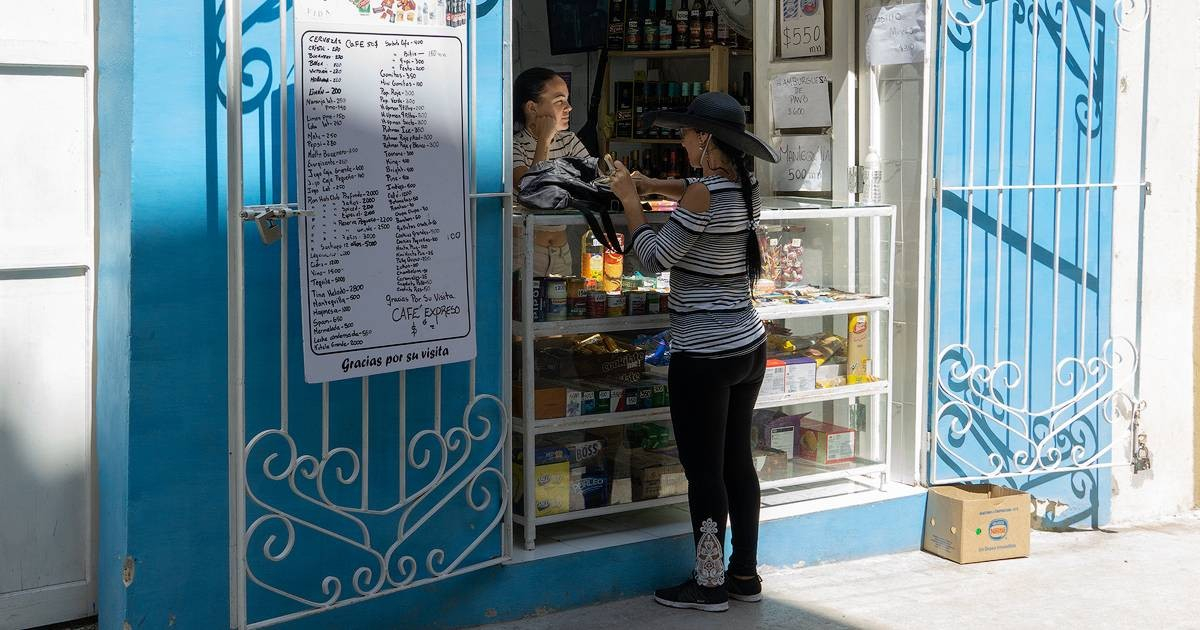
Cuban Prime Minister Manuel Marrero Cruz announced on Monday that 12 additional municipalities have joined the ranks of territories authorized to approve private micro, small, and medium enterprises (MSMEs) and Non-Agricultural Cooperatives (CNA), raising the total to 77 out of the 168 municipalities in Cuba.
"The decentralization of powers continues, aiming to strengthen autonomy and territorial management. In line with this principle, 12 municipalities have been granted the authority to approve private MSMEs and CNAs, totaling 77," Marrero Cruz shared on the social platform X.
Steps Towards Decentralization
Back in March, the prime minister committed to expediting this process and extending these powers to more regions across the country, as part of a decentralization policy that the Cuban government has emphasized as a key economic priority.
By the end of 2025, only 65 municipalities had the authority, highlighting a gradual expansion in local capacities to approve non-state management forms.
New Legal Framework and Its Critics
The announcement follows the implementation of Decree-Law 114 on April 2, which regulates partnerships between state-owned and private enterprises in Cuba. However, the legislation explicitly bans collaborations in sectors such as health, education, and defense, among others.
Economists and analysts have voiced skepticism about these measures. A critical observer noted that no MSME should celebrate Decree-Law 114, cautioning that the real conditions of the Cuban business environment restrict the practical impact of these reforms.
Another analysis criticized the persistent framework of centralization and bureaucracy within the law, emphasizing that despite formal advances in decentralization, state control over the Cuban economy remains fundamentally unchanged.
FAQs on Cuba's Economic Reforms and Decentralization
What is the significance of municipalities gaining the power to approve MSMEs in Cuba?
Granting municipalities the power to approve MSMEs is part of Cuba's efforts to decentralize economic control, enhance local governance, and stimulate economic activity at the local level.
What are the limitations of Decree-Law 114 in Cuba?
Decree-Law 114 prohibits partnerships in critical sectors such as health, education, and defense, thus limiting the scope of collaboration between state-owned and private enterprises.
Why are analysts skeptical about the Cuban government's economic reforms?
Analysts are skeptical because, despite decentralization measures, the Cuban economy remains heavily controlled by the state, limiting the effectiveness of these reforms.