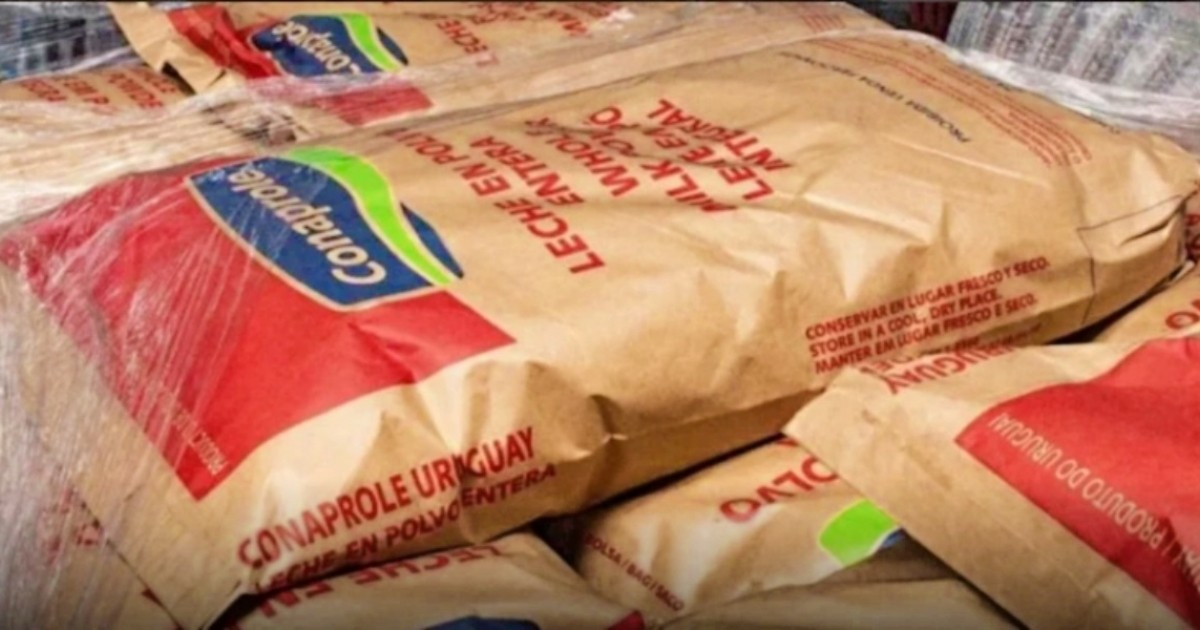
Last month, a group of 140 enthusiastic volunteers flew from Miami to Cuba on a charter flight, bringing with them a significant shipment of 6,300 pounds of medical supplies and non-perishable food items valued at $433,000. This effort comes amidst one of the most severe energy crises Cuba has faced in decades.
Organized by CodePink, Progressive International, Cuban Americans for Cuba, and Global Health Partners, this initiative was part of the larger "Nuestra América Convoy to Cuba." The international undertaking gathered about 600 individuals from 36 different countries over the weekend of March 21-23, collectively contributing around 20 tons of humanitarian aid, as reported by CBS News.
Among the supplies were crucial hospital materials such as neonatal equipment, painkillers, and catheters. Additionally, the convoy facilitated the dispatch of solar panels and generators valued at over $500,000 for hospitals, alongside $100,000 in assistance for maternal care centers.
The Human Element: Witnessing Life in Cuba
Monica Garcia, a college student who participated as a volunteer, recounted witnessing a complete blackout during her stay in Cuba. "Many from our group ventured out to see how people were coping. People danced in the streets, played music, and lit small fires to brighten the area. It was surreal," Garcia explained.
Alexander Edlan, another volunteer with Cuban heritage visiting the island for the first time, expressed a sense of duty: "The people are struggling. I feel it's my responsibility. I can't just do nothing."
Distribution of Aid: Who Truly Benefits?
A pressing question remains: who truly receives this aid? According to the organizers, the medical supplies were distributed to hospitals in Havana, including Hospital Fajardo, several surgical hospitals, family doctor clinics, centers for the mentally disabled, and children's centers. However, the distribution was managed by the Cuban Institute of Friendship with the Peoples (ICAP) and the Ministry of Public Health, meaning it was filtered through the Cuban regime.
This detail is significant. In contrast, humanitarian aid sent by the U.S. government after Hurricane Melissa, totaling about nine million dollars, was channeled exclusively through the Catholic Church and Caritas Cuba to prevent regime control.
Moreover, TV Azteca reported in March that some humanitarian aid sent to Cuba from Mexico was being sold in state-run stores.
Understanding the Cuban Crisis
Medea Benjamin, co-founder of CodePink and one of the trip's organizers, attributed Cuba's crisis to U.S. sanctions. "Conditions won't improve significantly as long as there's a naval blockade and embargo making everything difficult," she stated. However, Cuba's energy crisis largely stems from decades of an economic model that has eroded the country's productive capacity.
Cubans endure blackouts lasting up to 24 hours a day, with power generation shortfalls ranging from 1,500 to 2,000 megawatts. The National Electric System completely collapsed twice in March, on the 16th and the 22nd. On Easter Sunday, a power shortfall of 1,752 megawatts was projected during peak nighttime hours.
On March 30, Trump made an exception allowing the Russian tanker Anatoly Kolodkin, carrying 730,000 barrels of oil, to dock at Matanzas, which experts estimate would only supply the country for two weeks. Russia has announced a second shipment.
Simultaneously, Democratic senators introduced a war powers resolution to prevent U.S. military action against Cuba without Congressional approval, though its passage seems unlikely with a Republican majority. Trump has warned that "the takeover may be friendly, or it may not."
Key Questions About Cuban Aid and Crisis
Who organized the aid convoy to Cuba?
The aid convoy to Cuba was organized by CodePink, Progressive International, Cuban Americans for Cuba, and Global Health Partners.
How was the aid distributed in Cuba?
The aid was distributed to hospitals in Havana and other medical centers, coordinated through the Cuban Institute of Friendship with the Peoples (ICAP) and the Ministry of Public Health.
What are the main causes of Cuba's energy crisis?
Cuba's energy crisis is primarily due to decades of an economic model that has diminished its productive capacity, leading to frequent and prolonged blackouts.